
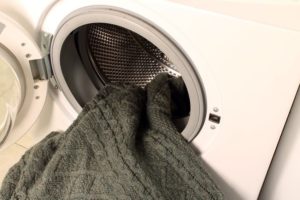
Washing an acrylic sweater in a washing machine
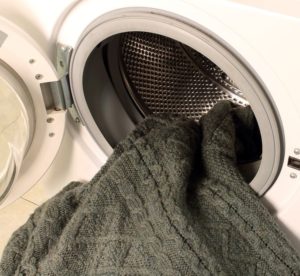 Acrylic turtlenecks, cardigans, and hoodies are very popular. They look very similar to wool sweaters, are just as soft and warm, and are also more affordable. The synthetic base makes the item less expensive and easier to care for. Let's find out whether it's safe to machine wash an acrylic sweater or whether it's better to hand wash it. We'll also explain how to prevent it from becoming misshapen and pilling.
Features of automatic washing
Most acrylic items are machine washable. To be sure, just check the garment care label. The symbols on the tag will tell you how to properly care for your sweater. Acrylic is a synthetic material and therefore cannot withstand exposure to high temperatures. This is an important rule to follow. After contact with hot water, the sweater will lose its softness and may stretch or, conversely, shrink a couple of sizes.
It is advisable to wash an acrylic sweater in a special mesh bag; this will help prevent deformation of the item.
Before loading your cardigan into the drum, carefully inspect the fabric. If it's heavily soiled, pre-soak it in soapy water for 20-30 minutes. If the sweater has a stubborn stain, it should be removed beforehand using specialized products.
When machine washing acrylic items, there are a few recommendations to follow:
- do not put a lot of laundry into the drum, this can contribute to the appearance of numerous creases on the acrylic;
- the washing temperature should not exceed 40°C;
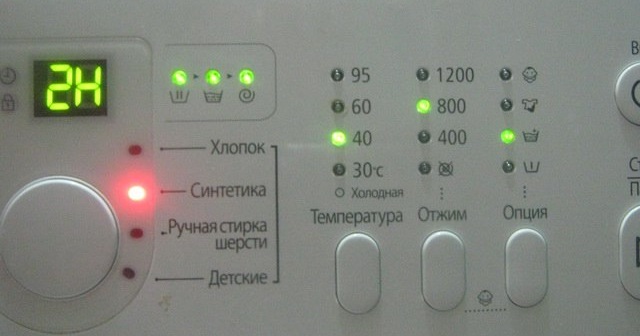
- Instead of washing powder, it is advisable to use a gel for washing delicate fabrics. Liquid detergents dissolve faster in cold water and are better rinsed out of the fibers;
- the preferred automatic mode is delicate or hand wash, it is permissible to run the “Synthetics” or “Wool” program;
- It is advisable to use a fabric softener; it will make the sweater soft and reduce the risk of pilling.
Sometimes, upon examining a sweater's tag, you'll see that it's not made of 100% synthetic fibers, but rather contains wool. Machine washing is generally acceptable when the content of synthetic fibers exceeds 50%; hand washing is recommended for items containing less.
When washing a white acrylic sweater, you can use oxygen bleach if necessary. It's important to ensure it doesn't contain chlorine.
Traditional care
If your sweater is embellished with beads, sequins, or other embellishments, machine washing is a no-no. The same goes for chunky knit cardigans—machine washing will increase the risk of distortion. Therefore, hand washing is the best option. The procedure is as follows: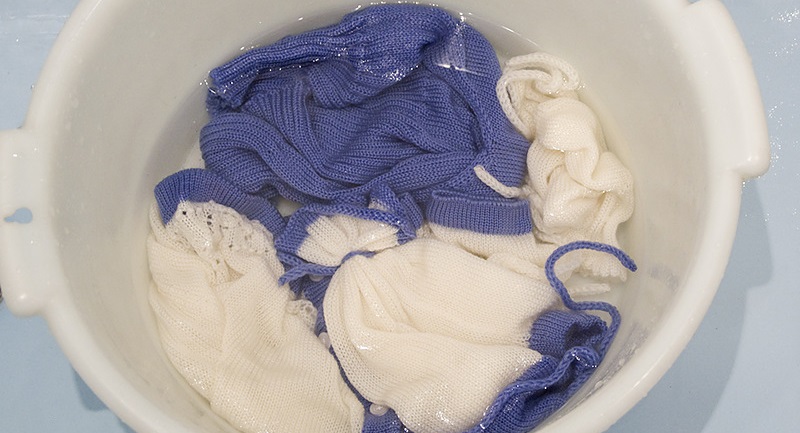
- Fill a basin with cool water (the optimal washing temperature is 25-30°C), add detergent for delicate fabrics;
- Place the sweater in a container and wash the sleeves, cuffs, and collar area. Let the item soak for 15-20 minutes;
- wash the sweater using gentle, crumpling movements;
- Rinse the cardigan several times in cold water.
Do not rub acrylic with force, as this will damage the material, cause it to lose its shape, and cause pilling.
When rinsing your acrylic sweater for the final time, it's a good idea to add an anti-static conditioner to the water. It will soften the material, impart a delicate scent, and prevent the garment from becoming staticky while you wear it.
How to carefully remove moisture from a sweater?
It is equally important to dry your acrylic cardigan properly. When washing in an automatic machine, it is permissible to spin the sweater at minimum speed (no more than 400 rpm). The jacket should remain slightly damp after being removed from the drum.
If the item has been hand-washed, never wring it vigorously to remove excess water. This can damage the synthetic fibers and stretch them. Wrapping the sweater in a terry towel and pressing gently will absorb excess moisture.
To keep your acrylic sweater from losing its shape, it's important to follow certain drying guidelines. Avoid laying it on a radiator, as this may cause marks on the fabric and will also likely cause shrinkage. Avoid hanging your acrylic sweater on a clothesline or hanger, as this will stretch it out.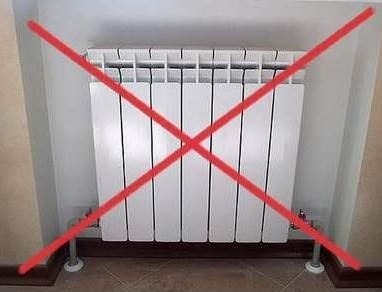
After gently wringing out the excess water, shake the cardigan slightly to remove any creases. Lay the cardigan flat to dry. Spread a dry towel on the table and place the sweater on top. Don't forget to shape the cardigan—trim the hem, straighten the collar, and unfold the sleeves. This is how acrylic garments dry.
It's best not to iron or steam an acrylic sweater, as this can easily damage the fabric. The exception is items containing cotton or wool fibers. In these cases, ironing at a low temperature through a layer of cheesecloth is permitted.
Is it possible to restore a shrunken sweater?
To prevent shrinkage of a synthetic cardigan, strictly adhere to the washing temperature, not exceeding the maximum allowable temperature, and use a gentle automatic cycle. However, if your sweater does shrink, don't worry; in most cases, you can restore the shape of your favorite garment.
Re-soaking the acrylic in cold water with a softening fabric softener can help correct this problem. Soak the cardigan in the basin for 15-20 minutes, then wrap it in a sheet or towel and gently wring it out. Lay the sweater flat and gently stretch it evenly in all directions. While the cardigan is drying, stretch the material every half hour.
If possible, it is better to put a damp, shrunken sweater on yourself and walk around in it until the item dries.
There's another, more sophisticated way to restore acrylic clothing to its original shape. Prepare a solution: add shavings of laundry soap, 15 ml of turpentine, and 15 ml of ammonia to water and mix thoroughly. Soak the sweater in this solution for 24 hours. After soaking, stretch the cardigan and dry it on a countertop, placing a terry towel underneath to absorb excess moisture.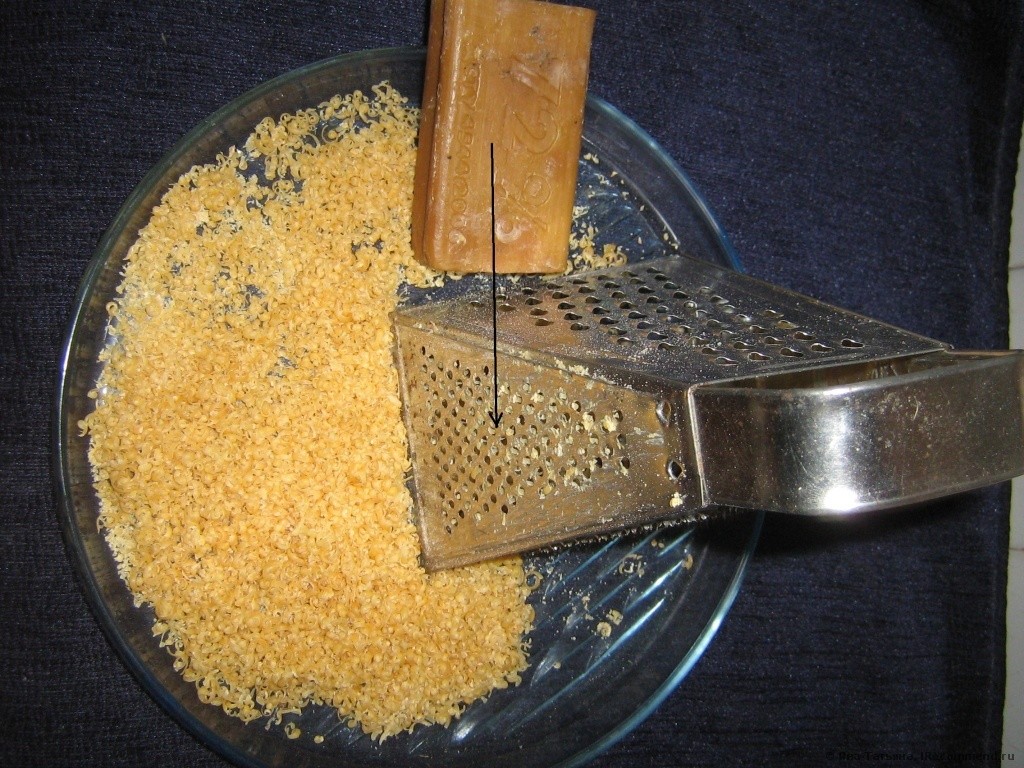
Advantages of acrylic items
Acrylic is a synthetic material that's an artificial substitute for wool. Polymer-based garments are incredibly warm, retain heat, and are much less expensive than clothing made from natural fabrics. When talking about acrylic sweaters, it's worth noting that they:
- very soft and pleasant to the body;
- dry quickly after getting wet;
- not of interest to moths and other pests;
- are distinguished by high heat-saving properties;
- do not cause allergic reactions;
- With proper care, they retain their vibrant color for a long time.
Acrylic fabrics also have their drawbacks. These garments are prone to stretching and pilling. However, if you follow the care instructions for acrylic items, they will provide long-lasting enjoyment.
Interesting:


Readers' comments
Headings
Washing machine repair




For buyers




For users


Dishwasher




Add a comment