
Allergy to washing powder in adults
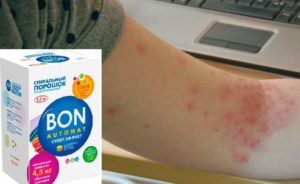 An allergic reaction to an irritant can develop suddenly. Some people are born with allergies, while others develop them. The most common allergens include food, pet dander, pollen, medications, and cosmetics. Laundry detergent is considered one of the most powerful irritants. It can trigger allergies in people of any age. To minimize the risk of attacks and discomfort, it's important to choose the right laundry detergent. Let's look at how to prevent laundry allergies and what ingredients should and should not be included in the ideal detergent.
The danger lies in the composition
What could possibly be so dangerous about laundry detergent? The powder rinses out of the fabric and, therefore, can't cause any harm. However, this is not the case; some products may contain substances that are hazardous to human health and remain on the fibers of the laundry even after a long rinse.
Household chemicals on store shelves come from different manufacturers, vary in price, and, of course, in their ingredients. To choose a hypoallergenic laundry detergent, it's important to examine the ingredients used. Most detergents contain the same basic ingredients.
- Surfactants. They come in three varieties: cationic, nonionic, and anionic. This component is present in every laundry detergent.
- Phosphates. They soften water. Phosphates are not considered safe; on the contrary, they have a toxic effect on the body and the environment. In some countries, the use of phosphates in household chemicals is strictly prohibited.
- Bleaches. These ingredients contain chlorine, which is harmful to living organisms.
- Enzymes. This additive is designed to improve washing quality by breaking down even the most difficult stains.
- Flavorings.
Finding the right laundry detergent for allergy sufferers can be challenging. Phosphates, bleaches, and fragrances can all trigger a reaction. Therefore, when choosing a laundry detergent, it's important to look for phosphate-free, fragrance-free household cleaning products.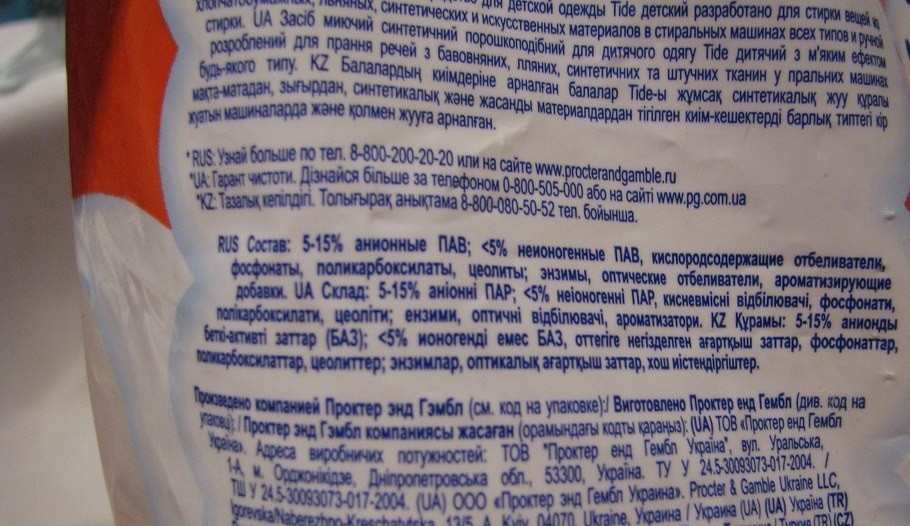
In adults, allergies to detergent occur as a result of direct contact of the hands with the product, when pouring it into the washing machine's powder dispenser, or when wearing clothes that have unrinsed chemical particles on them. To minimize the risk of a reaction, simple precautions should be taken when handling household chemicals..
Use powder with caution
Laundry detergents must be used with care, as the manufacturer always warns. The packaging even includes basic safety precautions for handling them. These recommendations generally boil down to the following rules:
- Strictly adhere to the correct dosage of laundry detergent; do not overfill the machine. Too much isn't always a good thing; particles will remain on the fabric fibers, even after an intensive rinse.
- Do not store packaging in places where children can reach, or near food products;
- When washing by hand, be sure to wear rubber gloves;
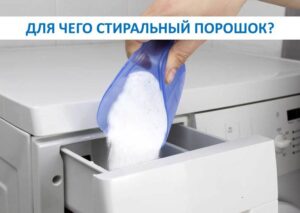
- It is necessary to pour in the powder very carefully so that dust particles do not get on the mucous membrane;
- Rinse the laundry several times to minimize the amount of harmful substances remaining in the fabric;
- If possible, do not use cheap products; it is better to buy higher quality powders.
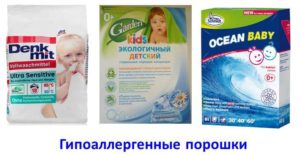
If you discover an allergy to a particular brand of laundry detergent, discard it immediately and purchase a different brand, preferably one with hypoallergenic ingredients.
How does the reaction manifest itself?
Sometimes, when adults develop obvious allergy symptoms, they're simply overlooked, attributed to a viral illness, or not related to household chemicals. Therefore, it's important to know how the body reacts to an allergen. An allergy to laundry detergent is characterized by one or more distinct symptoms:
- The appearance of a rash, inflammation, and peeling skin on the body. A person may experience a burning sensation and unpleasant itching. Swelling may also occur;
- Redness and watery eyes indicate allergic conjunctivitis. Eyes may itch intensely;
- allergic rhinitis – nasal congestion or runny nose, sneezing, paroxysmal coughing;
- in more rare cases – attacks of suffocation, the appearance of shortness of breath.
If you notice any of these symptoms, you should consult a doctor. A qualified specialist can help alleviate the symptoms of allergies.
How to find safe powder?
Phosphates are among the most aggressive components of detergent. Laundry detergents for allergy sufferers should be free of them. Phosphate-free household chemicals are more expensive, but it's not worth skimping on your health. Good detergents contain hypoallergenic phosphonates instead of phosphates. If you use chemicals containing phosphates, make sure they contain up to 5% of the phosphate content.
Also, hypoallergenic washing powders should not be “stuffed” with fragrances. Fragrances are a strong irritant, often causing an unwanted reaction in the body.
It is recommended to purchase hypoallergenic laundry detergents at special retail outlets.
What is the usual treatment for allergies?
People prone to allergies understand what they look like. The reaction may be mild, but if certain symptoms occur, such as severe itching, swelling, or shortness of breath, it's important to treat the allergic reaction before visiting a doctor. If left untreated, swollen respiratory tissue can block oxygen from reaching the body. An antihistamine should always be kept in your medicine cabinet to help manage an allergic reaction. These medications include:
- Suprastin;
- Chloropyramine;
- Diazolin;
- Subrestin;
- Loratadine;
- Cetrin, etc.
Medications approved for use in children include Zyrtec, Fenistil, and Zodak drops. Once the allergy symptoms have subsided, it's important to consult a doctor. Only an experienced specialist can prescribe further treatment. For dermatitis, your doctor will prescribe a specific gel or cream for skin treatment (such as D-panthenol or Fenistil) along with antihistamines. Sedatives, such as Novo-Passit, Glycine, and Persen, may also be prescribed.
Along with medication, time-tested folk remedies are also used. Soak in a baking soda bath for 10-15 minutes; it will relieve itching and soothe the skin. The water should be warm, not hot.
Dried burdock and dandelion rhizomes can help treat rashes and relieve itching. Add 0.6 liters of water to a container and add 2 tablespoons of the dry mixture. Let the ingredients steep for about 12 hours. Then, boil the water and let it steep for another half hour. Take the resulting decoction orally, 100 ml, 4-5 times daily. Don't assume the allergy will go away on its own. It's essential to take measures to fully restore your body.
How to prevent?
It's better to prevent any problem than to deal with the consequences later. The same applies to laundry detergent allergies. By following simple preventative measures, you can reduce the risk of an adverse reaction.
- Use household chemicals that do not contain phosphates.
- Observe the storage conditions of the products, close the packaging tightly.
- Add only as much detergent as needed depending on the type and volume of laundry. Do not exceed the recommended dosage.
- If you are prone to allergies, it is better to put the product into the machine wearing gloves.
- Rinse the laundry several times to remove any remaining detergent particles.
- When washing by hand, remember to wear rubber gloves.
Every organism is unique, and an allergic reaction can be triggered by absolutely any component of a product. Furthermore, some manufacturers fail to comply with regulatory standards when producing their products, supplying the market with low-quality household chemicals that can cause allergies even in perfectly healthy individuals. Therefore, when purchasing a detergent, carefully review the ingredients and choose only products from trusted brands.
Interesting:



Readers' comments
Headings
Washing machine repair




For buyers




For users


Dishwasher




Add a comment