
How to use descaler for washing machines?
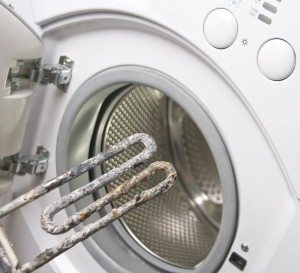
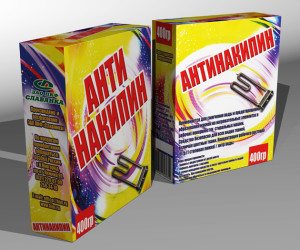 If your water supply is hard and limescale builds up everywhere—on your kettle, dishwasher, and pots—it's essential to protect your washing machine. In this case, your washing machine is the first item at risk of ending up in the trash. A descaler for washing machines can be a solution, but it must be used carefully and with caution.
The procedure for using antiscale
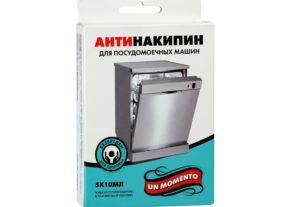
When discussing the use of the "Antinakipin" anti-scale product, it's impossible to standardize the instructions. After all, "Antinakipin" isn't a single product, but a group of products, all different, produced by different manufacturers in different forms, and designed to clean different materials and surfaces. Let's look at the different types of "Antinakipin" products for washing machines and focus on their application procedures.
Anti-scale agent for washing machines under the Furman brand. A specialized descaler that protects the drum and heating element of your washing machine from scale and salt deposits. The product does not harm the rubber parts of your machine after a single use. Packaging: 50g sachet. Dosage: 1 sachet, 1 use. Frequency of use: once every 6 months. Directions: Empty the contents of the sachet into the empty drum of your washing machine, select any setting (only with a temperature of 30-40°C). 0C) and erase.
Anti-scale agent for washing machines and dishwashers from Greenfield Rus. This product is designed to quickly remove limescale from washing machine and dishwasher parts. Packaging: 250g pack. Dosage: 60g per application. Frequency of use: once every 6 months. Directions: Pour 60g (no more) of the product into the empty drum of the machine, select the intensive spin mode and a temperature of 40°C. 0We erase it.
Liquid antiscale agent "Cinderella". A multi-purpose liquid cleaner designed to remove limescale from kettles, pots, dishwashers, and washing machines. When used correctly, it does not damage the rubber parts of the washing machine. Packaging: 250 ml bottle. Dosage: 2 capfuls per use. Frequency of use: once every 6 months. Directions: Mix 2 capfuls with 1 cup of water, pour the mixture into the empty drum of the machine, and run a wash cycle with the drum spinning vigorously at a temperature of 40°C. 0C, wait for the washing program to finish.
Important! Never exceed the recommended dosage of descaler or use it frequently, as excess product can damage your washing machine.
When cleaning your washing machine with descaler, wear rubber gloves first. The product is caustic and can cause chemical burns if it comes into contact with skin. If descaler comes into contact with your skin, eyes, nose, or mouth, rinse the affected area thoroughly with plenty of water.
The pros and cons of using descaler in a washing machine
 Like any chemical descaler, descaler has its advantages and disadvantages. Our goal is to objectively examine these pros and cons and evaluate them. Let's start with the advantages.
- Antinakipin quickly removes limescale deposits from the drum and heating element of your washing machine. Limescale is removed cleanly in about 30-40 minutes.
- When used correctly, the anti-scale components do not harm the rubber and plastic parts of the washing machine.
- The product is economical to use, inexpensive, and only needs to be used twice a year.
The following are cited as disadvantages by anti-scale manufacturers and experts:
- an error in the dosage of the product may have adverse consequences for the washing machine;
- If the product comes into contact with the skin or mucous membranes of the human body, it may cause harm to health;
- When using descaler, large chunks of scale may fall off the machine's heating element. These can easily get stuck in the machine's moving parts and contaminate your laundry.
Please note! Experts agree that it's better to use liquid descaler; it dissolves more quickly in water and begins to attack scale immediately.
Antiscale substitutes
Some people mistakenly confuse descalers with water softeners like Calgon. Calgon doesn't remove scale from a washing machine; it prevents it from forming. If scale has already formed on the drum and heating element, using Calgon can only worsen the problem. To save your washing machine, it's important to use products that remove scale and don't damage the machine's components. The following are recognized as substitutes for descalers:
- citric acid and Coca-Cola;
- diluted vinegar essence;
- Chistoplan product.
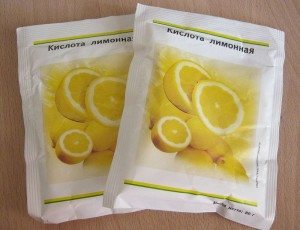 Citric acid and carbonated drinks containing high amounts of citric acid can descale your washing machine. If you want to use citric acid powder, pour no more than 70-100 grams directly into the drum, then run an empty wash cycle at a temperature no higher than 40°C. 0C. The cleansing effect of citric acid is disclosed in more detail in another article our website.
You can use expired Coca-Cola instead of citric acid. To do this, you'll need to pour about 3 liters of the drink into the drum—that's exactly how much is needed for one full descaling of the machine. The descaling agent can be effectively replaced with diluted vinegar essence.
Take 50g of essence and dilute it with half a glass of water. Next, pour the mixture into the washing machine drum and run the wash cycle on intensive mode at 40°C. 0S. In addition to folk remedies, there's a similar product, marketed as "Chistoplan." This product differs in composition from descaler, but some consumers have negative reviews, claiming it makes the washing machine drum lose its shine and turn it dark. Laboratory tests have not confirmed this.
What is antiscale made of?
What are the components of descaler? What chemicals are responsible for so quickly removing scale that has accumulated on the heating element of a washing machine over the years? Descaler contains three components.
- Adipic acid is a fairly strong acid that can dissolve salts. In small concentrations, it is harmless and is used in the food industry. It contains about 5% of descaler.
- Sulfamic acid is a widely used acid in industry. It is used to remove rust, limescale, and scale from a wide variety of machines and equipment. It makes up about 30% of descalers.
- Sodium citrate is a salt of citric acid. It makes up more than 1/3 of the total volume of the descaler mixture.
It turns out that the basis of the antiscale agent is still the same citric acid. Adipic and sulfamic acids only enhance the cleaning effect. The proportions of the descaler's components are carefully selected to avoid damaging washing machines and dishwashers, so experts advise against using concentrated acids for cleaning on your own. For example, concentrated adipic acid can dissolve plastic, so don't experiment with it.
In conclusion, descaler is a good product that can quickly remove harmful limescale deposits from washing machine parts. However, this product can also be harmful to the machine, so the instructions for using descaler for washing machines are crucial and must be strictly followed.
Interesting:
Readers' comments
Headings
Washing machine repair




For buyers




For users


Dishwasher




Add a comment