
The drum is rubbing against the rubber in the washing machine.
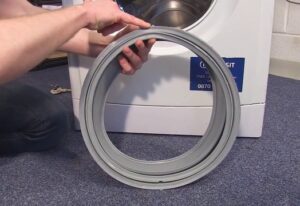
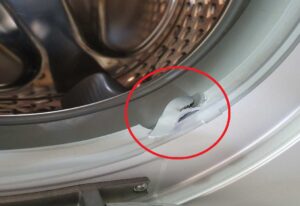
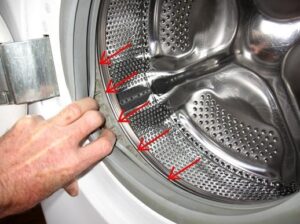 Rubbing of the rubber seal against the washing machine drum is a fairly common occurrence that can occur with any machine. There are usually three possible causes: a defective seal, which is especially true for budget-priced washing machines, an improperly adjusted and installed seal during a scheduled replacement, or problems with the universal joint or bearing assembly.
The first two causes occur only immediately after purchasing the machine or after repairs, while the third problem appears after several years of active use of your "home helper." Regardless of the cause, don't tolerate the friction sound, as if the drum rubs against the door seal while rotating, it's a clear sign that your appliance needs urgent repair. We'll explain the basic steps to fix this problem.
How to get rid of friction?
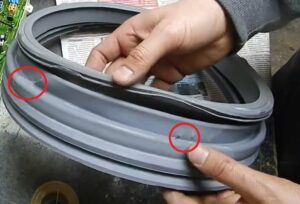
There are many ways to fix friction with the rubber seal, but not all of them are suitable for homemakers and novice repairmen. Some experts recommend loosening the clamps, then removing the rubber seal manually and readjusting it. However, this method is only suitable for service center specialists, as this isn't possible with every washing machine. Furthermore, it's necessary to know exactly how to properly remove the seal and how it should be positioned.
There's another professional method, but it's even more difficult and dangerous, as it can permanently damage the washing machine's components. Professionals first remove the rubber seal and then use a knife to trim the edges that catch on the drum. The risk is that someone without the necessary training might simply not be able to pinpoint the exact area of friction where they need to trim with a utility knife. Fortunately, there's a simple and safe repair method that any washing machine owner can handle. What should you do?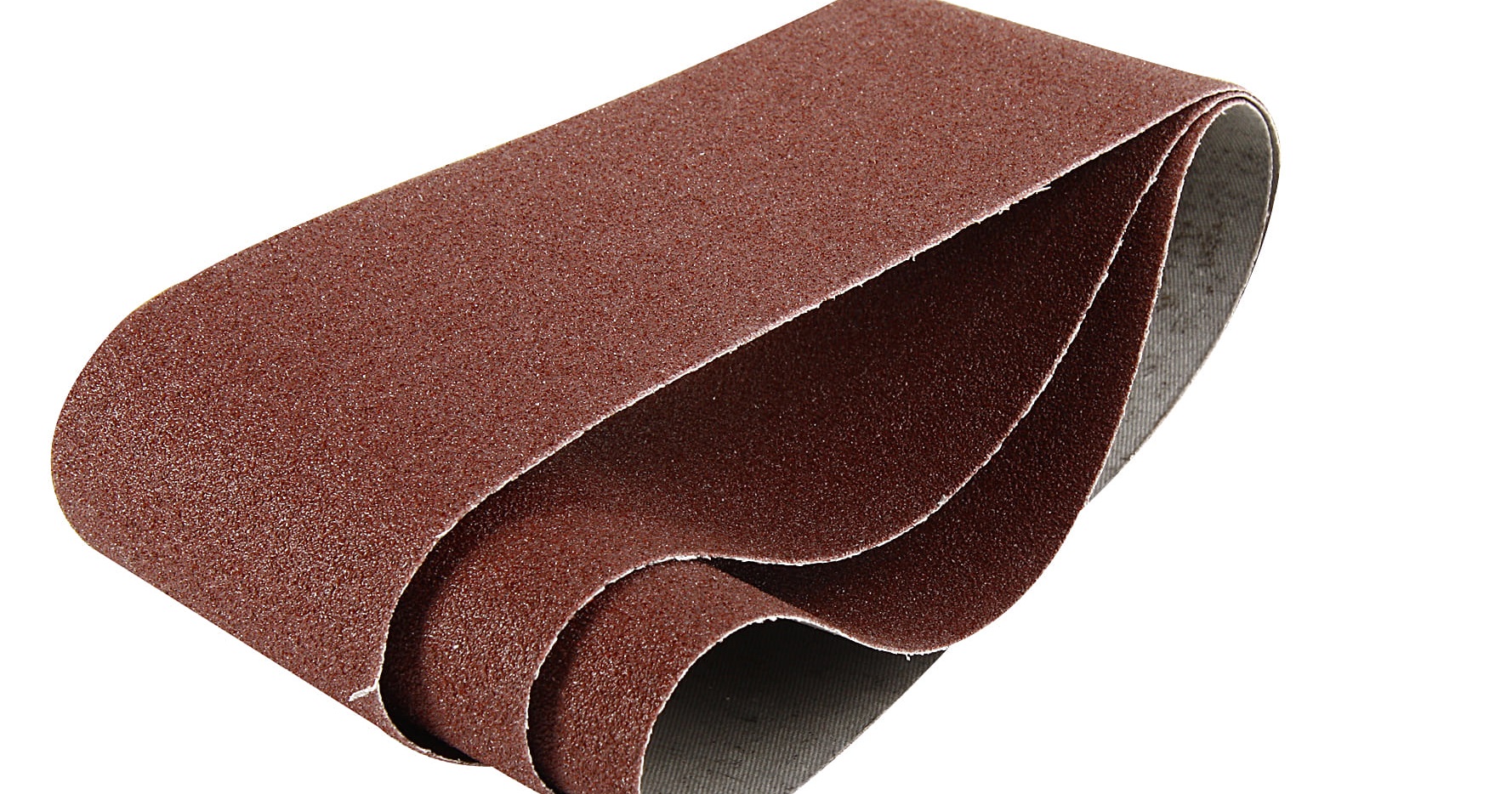
- Purchase or prepare sandpaper.
It's best to choose sandpaper with a grit of 60 or higher; it will do the job better, and you can buy it inexpensively at any hardware store, so the repair won't cost you much.
- Open the hatch of the automatic machine.
- Fold the sandpaper in half with the grain side facing out and insert it between the drum and the rubber.
- Holding the paper, rotate the drum until the protruding edges of the cuff are erased.
This method is not ideal, as you will have to spin the drum for a long time, namely 100-120 times. However, the main advantage of this repair option over others is the lack of risk of damaging the rubber or the washing machine itself. After this procedure, run a test wash and listen to the machine. If the rubbing sound disappears completely, the problem has been resolved. If not, simply repeat steps 2 through 4 again.
Cuff friction is a bad sign
But sometimes the drum rubs against the seal not because the rubber seal is installed incorrectly. If the friction appears not immediately after purchasing the washing machine or after a scheduled rubber seal replacement, but after several years, it's a sign that the spider is failing. This is considered a serious problem, as it leads to play in the drum, which changes its trajectory and begins to catch on the body of the “home assistant”. Such a malfunction is usually accompanied not only by rustling, but also by strange knocks and clanks.
If you've heard strange noises coming from your washing machine that haven't occurred before, you need to check the universal joint. To do this, you'll need to remove and separate the drum. However, you don't necessarily need to disassemble the machine to suspect damage to key components. For example, if the shaft is seriously damaged, the bearing assembly will begin to fail, which will be indicated by rusty stains on the back wall of the washing drum.
If the spider and bearing assembly are faulty, sanding and temporary fixes won't help. In this case, you'll have to stop using the washing machine completely until it's fully repaired. To assess the machine's condition, conduct a thorough diagnostic.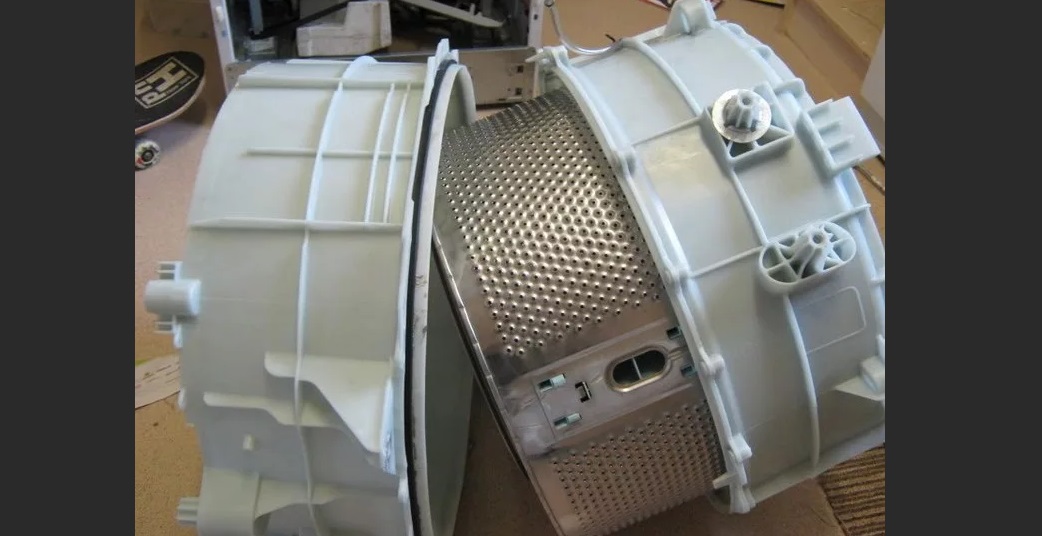
- Completely disconnect household appliances from all communications.
- Disassemble its body and remove the tank.
- Unscrew or saw the tank into two halves, which depends on the model of the washing machine.
- Remove the drum and inspect the crosspiece.
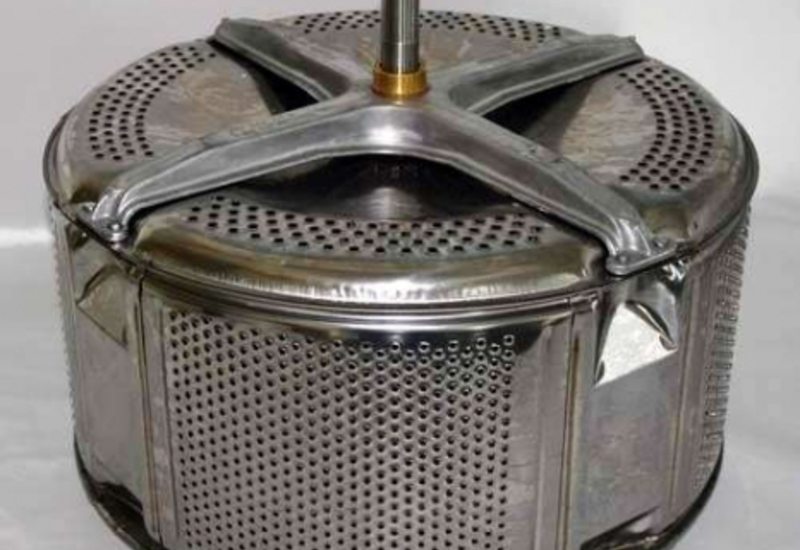
If the part is broken, it must be replaced. Remove the three screws holding it in place, then carefully remove it from the grooves using a screwdriver and hammer. Purchase a new universal joint only after removing the old one and knowing its serial number to avoid accidentally selecting the wrong part. Secure the element to the shaft yourself, or call a service center technician if you're unsure.
Interesting:
Readers' comments
Headings
Washing machine repair




For buyers




For users


Dishwasher




Add a comment