
Drying clothes in a tumble dryer
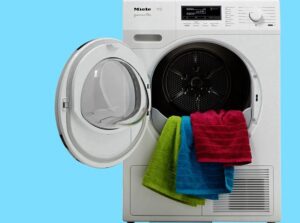 Hanging wet clothes in an apartment is a real hassle. Firstly, it looks unsightly, and secondly, it increases humidity in the house, making the air heavy. A tumble dryer eliminates this hassle. People who install a tumble dryer can't imagine how they ever managed without one.
We'll explain what you can and can't put in your dryer, how to dry clothes properly, how to properly sort clothes, and what to keep in mind when using the dryer.
Items that should not be placed in the dryer
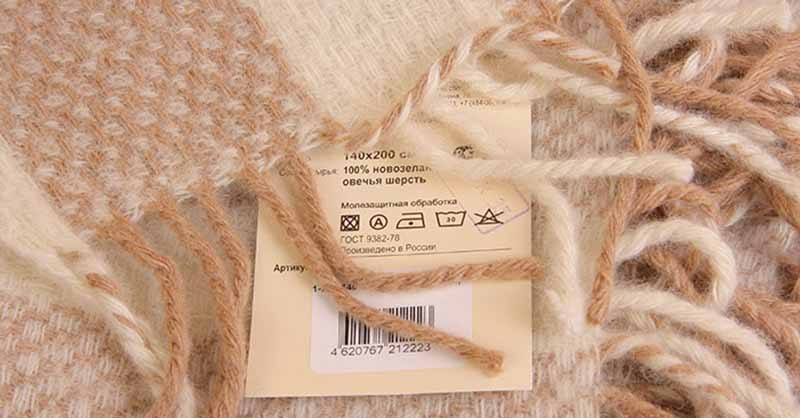
Not all clothes can be put in the dryer. Information about the possibility of automatic drying is indicated on the item’s label. Let's figure out which items shouldn't be put in the dryer.
- "Fragile" silk, lace, and satin items. These fabrics become deformed when exposed to high temperatures and lose color. Seams fray, and clothing becomes dull.
- Woolen items. A cashmere cardigan or jumper will shrink if thrown in the washing machine. However, some wool garments can be tumble dried on a gentle cycle—check the care label.
- Suede. Mechanical friction and high temperatures can cause creases in suede items. Machine drying can damage these items, leaving them looking worn.
- Fur. Fur coats and fur coats are best dried naturally. Machine drying poses a high risk of damaging natural fur garments, as the fur may become tangled and fall out.
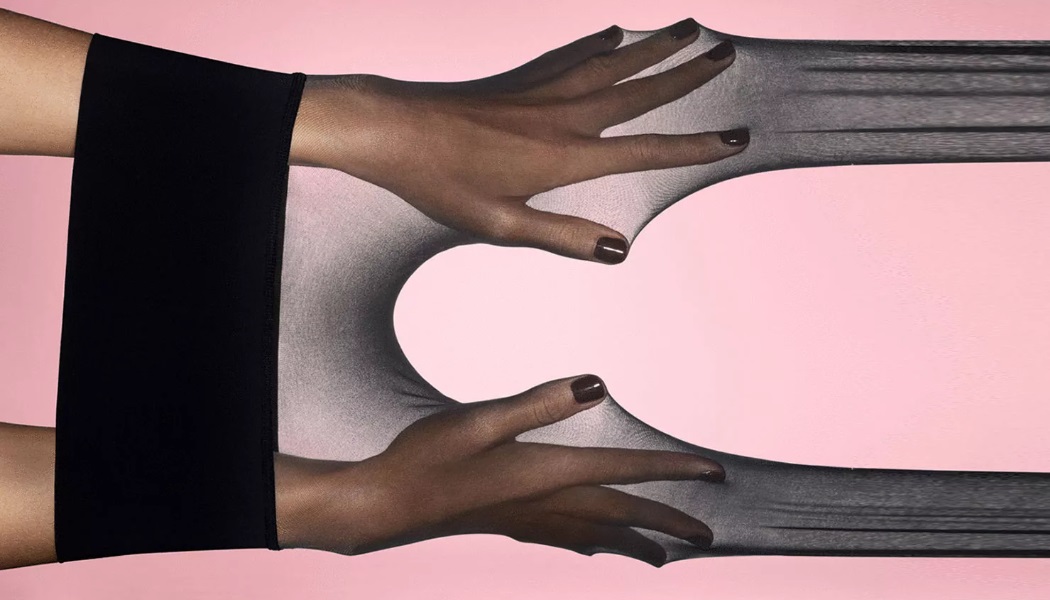
- Nylon tights. Thin nylon tights can become misshapen when exposed to high temperatures. A "4" can easily become a "3" in the tumble dryer.
- Leather goods. If this includes shoes, don't dry them in the washing machine; instead, stuff them with newspaper. Change the newspaper as it gets wet. If you put leather pants or a raincoat in the washing machine, the material will become rough, creasing, and cracking. It's best to let them dry naturally.
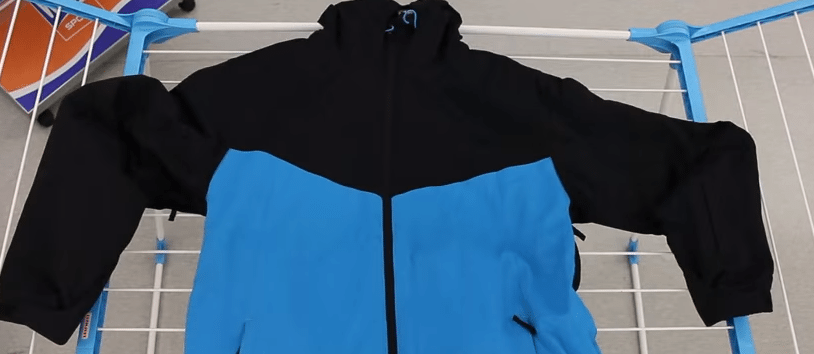
- Clothing made from membrane fabrics. When exposed to strong heat, the membrane loses its highly prized water- and dirt-repellent properties.
- Rubber. This applies to products with latex or rubber inserts. Rubber soles will crack due to intense heat. Rubberized carpets will change shape, curling or rippling.
- Clothes with metal or plastic embellishments. When the drum spins at high speeds, these embellishments may fall off, causing snags in other laundry. Bra underwires can puncture the drum and damage the machine. Rhinestones, pearls, and beads are easily damaged by high temperatures, and the adhesive used to secure them may lose its effectiveness.
- Fabrics containing flammable substances. Never place work clothes, uniforms, or rags soiled with gasoline, kerosene, or alcohol-containing solutions in the dryer. The liquid is highly flammable and produces explosive gases. Kitchen towels soiled with vegetable oil should not be dried in the dryer.
- Dirty clothes. You can't just take off wet clothes and throw them in the dryer drum. Dirty water will clog the filters, and subsequent cycles will leave you with an unpleasant odor.
If you throw half-washed laundry with stains from wine, lipstick, berries, grease, or blood into the dryer, they will become “sealed” and will be impossible to remove.
In reality, there aren't many restrictions. Drying the rest of your laundry can be entrusted to your "home helper." Let's figure out how to properly prepare clothes for loading.
We put things into piles
Before you start drying your clothes, you need to sort them. Housewives usually put everything into separate piles. How do you sort laundry?
- By color. Bright, dark, and light-colored items should always be dried separately. Wet colored clothing can stain white fabrics.
- By fabric composition. Different materials require different drying temperatures. For example, cotton requires 60 degrees Celsius, while wool requires a maximum of 30 degrees Celsius. Therefore, cotton T-shirts and knitted sweaters should be washed separately.
- By the thickness of the fabric. Thin items dry faster than thick, layered clothes. If you load them together, some of the laundry will become rough. On shorter cycles, thicker fabrics, on the other hand, will remain damp.
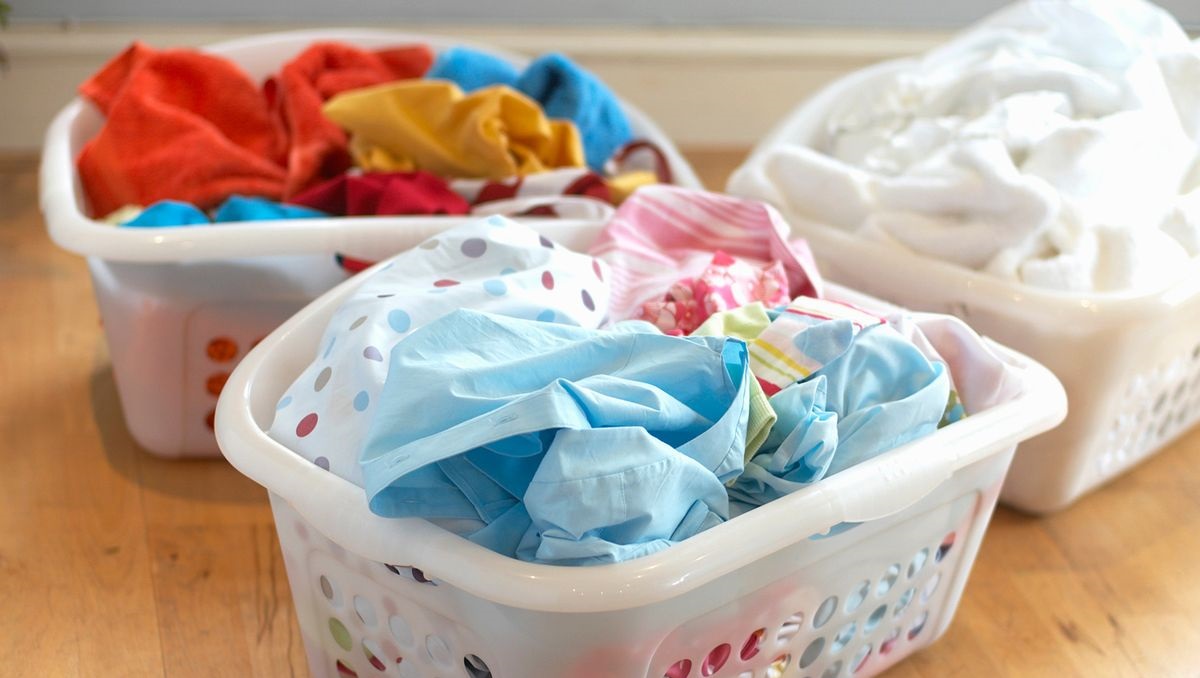
- Based on wrinkle tendency. Clothes that cannot be folded are dried separately. Stuffed toys, lightweight shoes, and similar items should be placed in an additional basket and set to a fan setting. If this setting is not available, follow the washing machine manufacturer's recommendations.
- By size. It's recommended to load some large and some small items into the drum at the same time. Otherwise, robes, bedding, and other bulky items will clump and not dry. Adding small T-shirts will help shake things up, preventing them from clumping.
- By seam strength. Garments with loose seams can be easily damaged by rubbing against rough jeans or trousers. Therefore, it's best to avoid such contact.
These are the factors that need to be paid attention to. Sorting is a very important step in both washing and drying clothes. If you divide your items into batches correctly, the result will be excellent. Be sure to pay attention to the fabric's color, type, strength, thickness, and tendency to wrinkle.
Preparing things for drying
Not only do items need to be sorted before loading into the dryer, but they also need to be prepared. This includes:
- Check your pockets—they should be empty. Remove keys, receipts, bank cards, coins, and other foreign objects that could clog the dryer filter or ruin clothes in the drum.
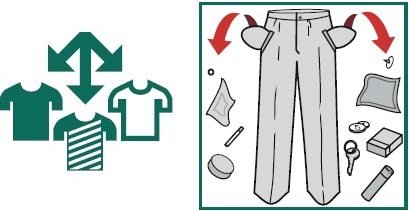
- Fasten buttons and zippers on trousers, sweaters, and outerwear. If you're hanging lingerie, secure any hooks and snaps.
- Be sure to turn your clothes inside out so that buttons, fasteners, and zippers are on the inside. This precaution will help prevent snags.
- Shake the laundry before loading it into the dryer drum to straighten it and remove excess moisture from the fabric;
- Distribute the garment evenly in the machine. It's best to smooth the fabric by hand to prevent creasing.
The next step is to select the appropriate drying mode. The available programs will vary depending on the dryer model. A description of the drying algorithms is provided in the equipment's instructions, so it is recommended to carefully read the user manual.
Classification of programs
Modern washing machines offer a wide range of drying programs, including intensive, gentle, and delicate modes. These algorithms can be roughly divided into several groups.
- These modes prepare clothes for ironing. Different manufacturers may call them "Easy Iron" or "Iron Dry." The garments remain slightly damp.
- Quick algorithms. Also called "Express" or "Extra Dry." These can be run with a half-load dryer. The cycle typically lasts no more than an hour. These programs are not suitable for delicate fabrics, as the drum spins at maximum speed.
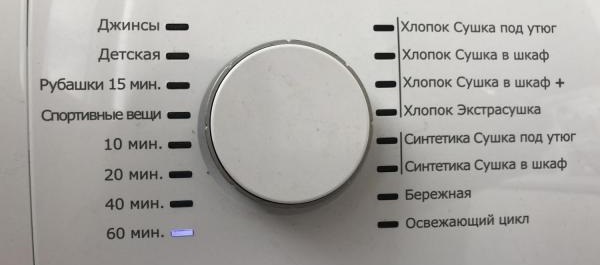
- Steam treatment. Some dryers have this option. A spray nozzle releases droplets of water into the drying chamber, and a heating element converts them into steam. This program is suitable for all types of fabric. Clothes after this treatment are wrinkle-free and can be worn immediately or simply stored away.
- Full drying. These modes are designed to completely remove moisture from the fabric fibers. These modes usually include the words "Cupboard" or "Dry" in the name.
Modern tumble dryers have programs for different types of fabric: Cotton, Synthetics, Mixed, Wool, Delicates, etc.
If you've never used a tumble dryer before, be sure to read the instructions for the machine. The user manual describes all the programs available. It explains which fabrics each mode is suitable for, how long it takes, and the drying temperature.
Tips from experienced dryer owners
Using the dryer is quite simple. The manufacturer's recommendations regarding the operation of the dryer are provided in the equipment instructions. However, it wouldn't hurt to learn some life hacks from experienced housewives, which will make the process even more comfortable.
- Be sure to consider the capacity of your washing machine. If your washing machine holds 6 kg of laundry, it's best to buy an 8 kg dryer, as wet clothes are significantly heavier, and this extra capacity will allow you to dry the entire load at once.
- Clean the lint filter after each use. A clogged filter reduces air circulation in the dryer, resulting in less effective drying and an unpleasant odor.
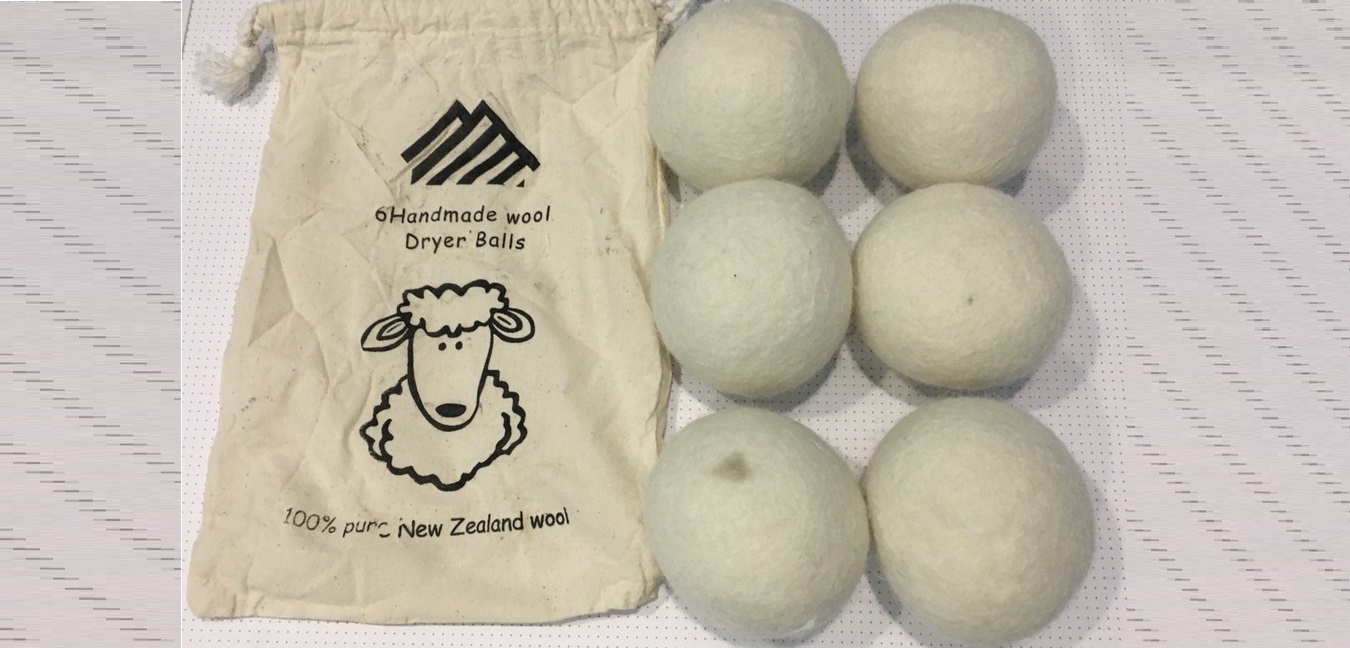
- It's best to add special balls to the washing machine drum along with your laundry. The balls will fluff up the clothes, speeding up drying. This action also makes the fabric softer. The balls also prevent creasing.
- When drying synthetic fabrics, you can add special antistatic cloths to the drum. This will prevent static buildup, and the fragrances they contain will impart a pleasant, subtle scent.
It is not recommended to use antistatic wipes when drying sportswear - the substance they contain will coat the fabric, reducing its breathability and impairing moisture removal.
- When washing laundry, it's recommended to spin it at the maximum spin speed. It's best to check the garment label to determine this. The drier the fabric, the faster the cycle will complete. This will help save energy.
- When drying baby clothes, it's best to use the "Steam" setting. This is also recommended for allergy sufferers. This method kills up to 99% of bacteria and allergens. Steam also helps remove any detergent granules from the fabric fibers that weren't washed out during the rinse cycle.
- To impart a pleasant, subtle scent to your laundry, place a cloth with a few drops of essential oil, such as mandarin or almond, in the drum before starting the dryer. Place the cloth in the machine with your clothes.
- After use, leave the dryer drum door slightly open for ventilation.
- Periodically wipe the walls of the dryer drum with a damp cloth to remove lint and other debris from the surface.
That's all for now. As you can see, drying clothes in a washing machine is a fairly simple process. People who install a dryer at home often can't imagine how they ever lived without one. So if you're unsure whether to buy a new "home helper," it's definitely worth a try.
Interesting:


Readers' comments
Headings
Washing machine repair




For buyers




For users


Dishwasher




Add a comment