
Can I add bleach to my washing machine?
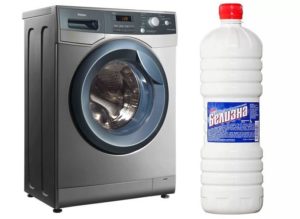
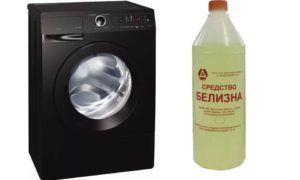 If you visit one of the many forums dedicated to household appliance care, you'll find that some homeowners periodically add bleach to the drum of their washing machines. However, experts categorically discourage this approach, as bleach is a concentrated form of harsh chemicals. So, who should you trust: enthusiastic user reviews or professional recommendations? Is it safe to add bleach to an automatic washing machine?
Removing dirt and odor from your washing machine
The primary purpose of Bleach is to rid the drum of the washing machine of the unpleasant musty odor that constantly plagues washing machine users. This can be caused by any careless action or disregard for professional recommendations. Furthermore, if this unpleasant symptom is not addressed promptly, the situation will only worsen, requiring urgent action.
As the saying goes, it's easier to prevent a fire than to put it out. So, it's best not to let your washing machine reach a point where everything within a two-meter radius smells musty. Here are the primary causes of this phenomenon.
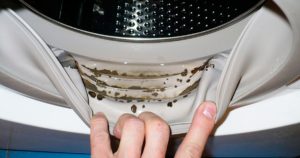
- Some housewives neglect special baskets for dirty laundry and put worn clothes directly into the drum. Due to high humidity and the presence of bacteria, the smell begins to intensify and spread extremely quickly.
- An unpleasant odor won't take long to develop if you never ventilate the drum after washing. Just close the door immediately afterward, and the next time you wash, you'll be confronted with a terrible stench from inside.
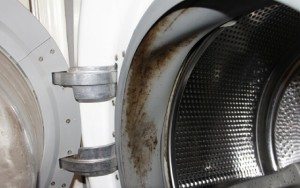
- The quantity and quality of household chemicals can also have an impact. For example, if you add too much detergent or rinse aid, or use low-quality products, mold will begin to grow inside the machine, leading to the development of mildew with a characteristic odor.
These measures will help prevent your washing machine from becoming dirty and smelly if you take them promptly. If the situation has already gotten out of control and urgent action is needed, Bleach can truly work wonders. How can this be achieved?
- First, pour a liter of bleach into the powder compartment.
- Start washing at the highest temperature possible, typically 90-95 degrees.
- Wait until the door of the machine gets quite hot and pause the wash. Now go about your business for a while.
Important! To get rid of unpleasant odors with bleach, you need to wait at least two hours, otherwise all efforts will be in vain. Although bleach is a strong chemical, it cannot kill all bacterial colonies in five minutes.
- After the required amount of time has passed, drain the water from the machine and turn on the rinse cycle, while simultaneously pouring a little vinegar into the detergent compartment.
- After the wash is finished, run the rinse cycle a few more times to wash out the chemical and vinegar smell.
Yes, without a doubt the procedure is very effective. It not only eliminates unpleasant odors, but also disinfects and cleans the inside of the machine well.However, don't get carried away and know your limits. After all, if you don't rinse the machine properly, a chemical smell may remain on your clothes. It's best not to put items in the drum immediately after this disinfection.
Is bleach harmful to the machine?
To settle this issue once and for all, an experiment was conducted. A washing machine, not exactly a new one, was filled with 15 liters of bleach. Then, a bunch of rags were loaded into the machine and the wash cycle started. It's worth noting that the machine was disconnected from the water supply, meaning the rags were washed in concentrated bleach.
After the disinfection process was complete, the experimenters checked the inside of the machine, even the smallest parts: rubber seals, hoses. Everything was in perfect condition, not a single component was damaged, which, of course, couldn't be said about the rags. But the fact remains: using bleach in washing machines is safe.
Other ways to clean the machine
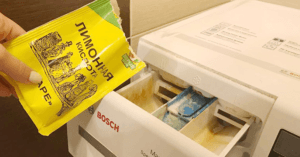 It would seem there's no need for more methods when there's already one that's absolutely perfect. But no, cleaning with bleach isn't universal, as it's not very effective at removing limescale. Citric acid comes to the rescue here.
- Take 60-100 grams of citric acid (the dosage depends on how badly the machine is attacked by scale) and pour it into the powder compartment.
- Run the wash in hot water, first turning on the rinse cycle.
- Remember that cleaning should be done empty, without clothes.
Important! Monitor the washing machine for unusual sounds. This means scale particles have gotten into the filter and need to be removed before continuing cleaning.
Vinegar has a similar effect, the only difference being that it leaves a distinctive odor and requires a pause of at least one hour during cleaning. Two cups of slightly diluted vinegar, poured directly into the drum, are sufficient.
You can also clean the machine with copper sulfate, diluting 30 grams of the solution in a liter of water. Apply the solution to the inside and leave it for 24 hours, then run it through twice: once with detergent, and once without. Generally, store-bought solutions are much better than homemade ones. Especially since cleaning is done rarely, buying a good solution won't break the bank.
Interesting:




Readers' comments
Headings
Washing machine repair




For buyers




For users


Dishwasher




Add a comment