
Washing white socks in a washing machine
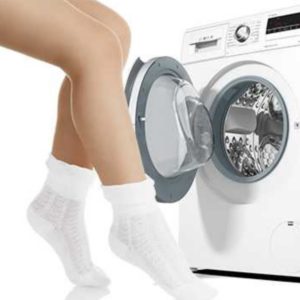 It's commonly believed that white socks can only be effectively washed by hand. A washing machine can refresh the garment, but it doesn't always remove heavy stains, which are clearly visible on light-colored fabrics. Let's find out if this is true, or if a washing machine can handle this task.
Automatic washing algorithm
Machine washing machines don't always remove black stains. For example, after spinning in the drum on an intensive cycle, light-colored items may remain slightly dirty. To prevent this, a special, competent approach to machine washing is required. Let's figure out how to wash white socks in a washing machine to achieve the desired results.
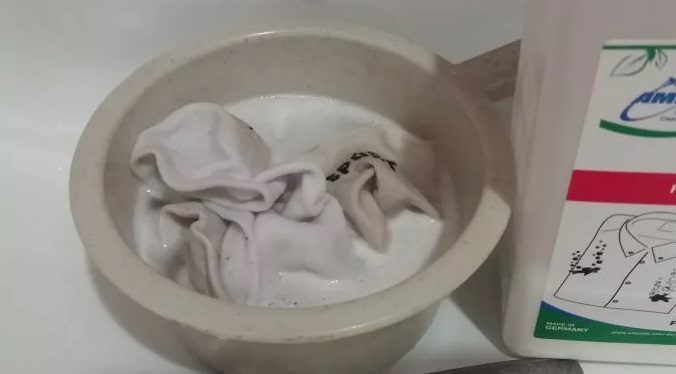
Before putting white socks in the drum, soak them in a warm soapy solution – this will make it easier to remove dirt during further washing.
The machine washing algorithm is as follows:
- After soaking, turn the socks inside out and load them into the drum;
- Throw a couple of laundry balls or tennis balls into the machine. The shock effect will help remove dirt from the fabric fibers more effectively.
- Pour bleaching powder into the tray. If necessary, add stain remover, special bleach, or a spoonful of baking soda;
- Select a gentle wash program for white clothes with a water temperature of no more than 40°C and start the cycle.
Using special bleaching agents can usually clean white socks in the washing machine and remove heavy stains. Therefore, don't avoid using stain removers and bleaching powders.
Why do difficulties arise?
White socks get dirty very easily—in just 3-4 hours of wear, the heel, and sole become grayish-brown. Removing stains from light-colored fabric and restoring their original whiteness requires considerable effort. We'll reveal the key secrets and tips from experienced homemakers.
So, to make your white socks sparkle clean again, you need to:
- Wash them in warm or cool water. Hot washing will only set dirt deeper into the fabric fibers, so excessively high temperatures are not recommended.
- Pre-soak the stockings in a soapy solution for a couple of hours. It's best to use natural laundry soap, as it effectively dissolves dirt and makes stains less stubborn.
- Be sure to sort items by color and avoid putting white socks in the drum with black ones. This won't restore the original whiteness—the dirt will come off, but the fabric will still take on an unsightly grayish tint.
- Choose a detergent with a bleaching effect, and don't neglect a stain remover (for heavy, intense stains). The detergent should also match the material of the socks. Cotton, wool, and synthetics all wash differently, and neglecting this can permanently damage the item.
It is also important to organize drying properly. Do not hang white socks on radiators, heating appliances, or in direct sunlight – this will cause yellow stains to appear on the fabric. Items should be dried in the fresh air, protected from bright sun.
You can also wash it by hand
Hand washing allows for complete control over the cleaning process. This method is considered the most effective for cleaning white socks. It usually removes even the most heavily soiled light-colored fabric.
Hand washing is carried out according to the following rules:
- To begin with, white items are traditionally soaked in warm water with the addition of shavings of laundry soap;
- After 2-3 hours, drain the water from the basin, fill the container again and wash the socks by hand in the dirtiest areas: on the heel, foot;
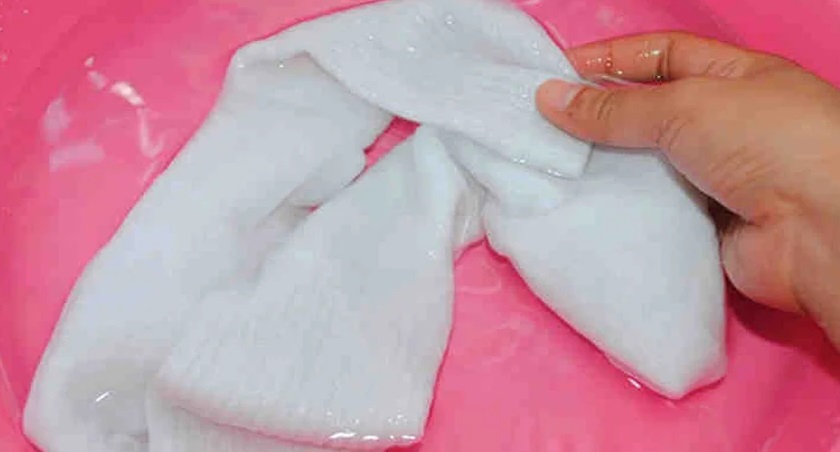
- After removing the dirt, the socks are rinsed several times in clean water and hung up to dry.
After manually cleaning the most soiled areas, the socks can be thrown into the washing machine for maximum cleaning efficiency.
By combining hand and machine washing, you can achieve excellent results. Your socks will be sparkling white, like new.
We boil particularly dirty socks
When machine washing is unsuccessful, housewives try to wash out stains by hand. If you can’t bleach the fabric by hand, you can resort to traditional boiling. This method has long proven its effectiveness. It can remove even the most stubborn stains.
After soaking your socks in water with some laundry soap, follow these steps:
- fill a saucepan or enamel bucket with water;
- Pour an “auxiliary” cleaning agent into the container, for example, 15 ml of ammonia, 2 tablespoons of bleach, grated laundry soap or 60 grams of baking soda;
- Place the socks in the solution and wait until the water boils;
- “boil” the products for 20 minutes, constantly stirring them with a wooden stick;
- Let the pan cool, remove the socks and rinse them in clean water several times.
Boiling can remove very black sock soles and restore their original whiteness. Boiling can also remove yellow stains and streaks from old stockings, eliminating an unsightly gray tint.
Although boiling produces excellent stain removal results, it should not be used frequently. Hot water has a negative effect on fabric, weakening the fibers.
We use pharmaceutical chemicals
You don't need to buy specialized household chemicals to whiten your socks. You can use folk remedies that are less expensive but just as effective. Unexpected home remedies can help you clean white fabric.
- Turpentine. The cleaning method is extremely simple: fill a basin with 3 liters of water heated to no more than 40°C, dissolve 60-80 grams of dry laundry detergent, and pour in 15 ml of turpentine. Immerse the dirty socks in the resulting solution and leave them to soak overnight. In the morning, rinse them thoroughly and dry them.
- Aspirin. Finely crush six tablets and dissolve the resulting powder in a liter of water. Soak items in the solution for nine hours, then rinse.
- Baking soda. This well-known substance is a great helper in machine washing. Add a handful of baking soda to the detergent dispenser along with the main detergent. Wash the socks on a two-hour cycle at a temperature no higher than 40°C.
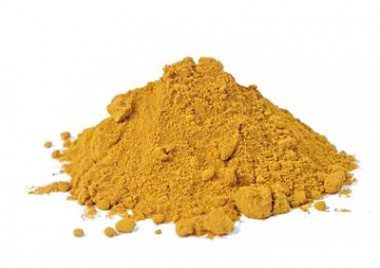
- Mustard powder. Dilute the mustard powder with water to the consistency of sour cream, then apply it to the most soiled areas. Leave the socks in this state for a couple of hours until the mixture dries. Then, hand wash them in clean water using laundry soap.
- Lemon juice. Select three ripe lemons, microwave them for about 20 seconds, squeeze out all the juice, and dilute it in a liter of water. Soak the socks in this solution for 6 hours. Citric acid is an effective natural bleach that helps quickly remove stubborn stains.
- Acetic acid. Dissolve four tablespoons of 9% vinegar in two liters of water heated to 40°C. Immerse the socks in this solution, cover the basin with plastic wrap to prevent the vapors from escaping, and let sit for 50-60 minutes. Then, simply rinse the items.
There are plenty of ways to clean dirty white socks. You can do this either by hand or in a washing machine, using specialized household chemicals or folk remedies.
Interesting:



Readers' comments
Headings
Washing machine repair




For buyers




For users


Dishwasher




Add a comment