
Washing powder without phosphates and surfactants
 The composition of modern laundry detergents can be downright daunting due to their numerous ingredients. Many of these substances are unknown to the average person, raising doubts about their safety. Phosphates and surfactants have become some of the most discussed today. What are these substances, what are their benefits and harms, and, most importantly, which detergents do not contain them? That's what we decided to cover.
Phosphates and surfactants: what are they?
Laundry detergent advertisements constantly use terms like surfactants, phosphates, phosphonates, zeolites, and so on. Equally common is the claim that surfactants and phosphates are very harmful and the less a detergent contains, the better. What does all this mean? First, let's understand the categories.
- Surfactants are active substances that, on the one hand, accelerate the dissolution of chemicals in water, and on the other hand, allow molecules of fat, paint, and other insoluble or poorly soluble components to bind with water molecules and be washed out of the fabric. Surfactants are the basis for the effectiveness of washing powder.
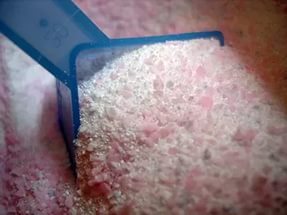
- Phosphates are phosphorus salts that dissolve readily in water. They pose no significant harm to humans, but they can cause irreparable damage to the environment. Phosphates' main function is to soften water, thereby enhancing the detergent's cleaning action.
- Phosphonates are substances (esters) that replace phosphates in laundry detergents. Some detergent manufacturers have abandoned phosphates because they are clearly harmful to the environment, while phosphonates are less hazardous, making them preferable.
- Zeolites are sodium aluminosilicates that are quite hazardous to human health, as they strip the skin of its protective oils and cause allergies. Zeolites are considered the most environmentally friendly alternative to phosphates, but in reality, this eco-friendliness comes at a cost to human health. The harm that zeolites cause to human health is obvious.
Zeolites are a more expensive and healthier substitute for phosphates. In countries where phosphate powders are banned, manufacturers are forced to replace them with zeolites, but this is not a good thing.
The percentage distribution of the above-mentioned chemicals in detergents can vary, depending on the manufacturer's integrity. If the surfactant content in a detergent ranges from 5-20%, the product is considered relatively safe. If the surfactant content exceeds 30%, the product is considered quite hazardous. Phosphates are quite common in laundry detergents, accounting for up to 50% of the total volume. However, if at least half of the phosphates are replaced with phosphonates, this makes the detergent much safer. Finally, zeolites can make up to one-third of the total volume of the detergent, making it extremely toxic and hazardous.
What is the harm of these components and how to reduce it?
In general, it's clear that all of the above components, in one form or another, are harmful to the human body, but what exactly is this harm? Let's start with surfactants. Surfactants are harmful to the human body, with the exception of plant-based surfactants, because when they come into contact with human skin in sufficient quantities, they destroy the skin's protective lipid layer. The skin of the arms, torso, legs and face, deprived of its natural protective layer, begins to dry out, dermatological diseases arise, and immunity decreases.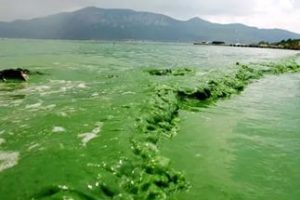
Human skin treated with surfactants ceases to be a reliable barrier to bacteria and viruses, resulting in a 2.5-fold increase in the risk of illness. The harm is obvious. Phosphates don't cause significant harm to the human body, unless, of course, you decide to drink the water left over from washing. However, phosphates are extremely harmful to the environment. The fact is that phosphates do not decompose in aquatic environments. Removing phosphates from water is also difficult, and they eventually end up in water bodies.
What happens next? Phosphates, entering a natural body of water, accumulate over time, stimulating the growth and development of gray-green algae. The algae overrun the body of water, quickly turning it into a swamp. And then, a couple of decades pass, and in the place of a large, clean lake, there stands an equally large, foul-smelling swamp.
It is possible to reduce the damage caused by the above-mentioned chemicals by limiting their use, but it is impossible to eliminate them completely, since there is no adequate and sufficiently inexpensive replacement, and what does exist is not subject to criticism.
Phosphate-free powdered products
You can buy phosphate- and surfactant-free laundry detergent at any major home improvement store. The manufacturers of some of these detergents are familiar to many new mothers. Well-known brands like Ariel, Tide, Myth, and Persil are not. You can check the ingredients on the packaging to see for yourself. Here's a list of safe detergents:
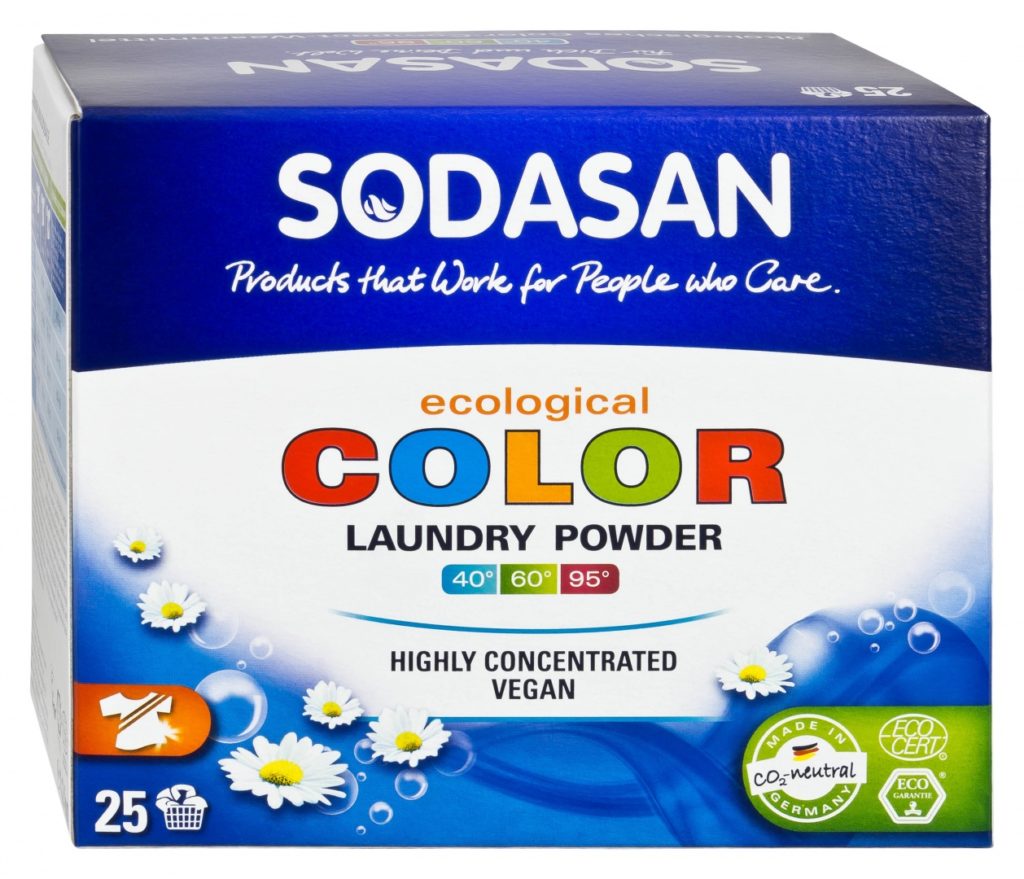
Sodasan Ecologocal Color is a German laundry detergent made with natural herbal soap, citric acid, minerals, and essential oil. It contains no animal-derived ingredients. This product has several certificates confirming the safety of the powder and its compliance with European standards. The price for a 1.2 kg package is about $5.6.
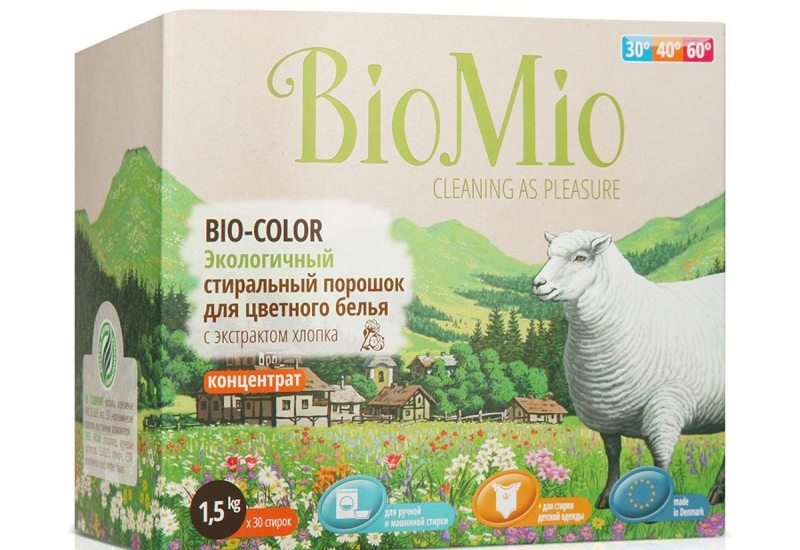
BIOMIO Color is a washing powder for colored laundry, suitable for automatic washing machines. It's made in Germany. It doesn't contain phosphates, but it does contain zeolites, which have proven to be equally dangerous. It also contains palm oil-based polycarboxylates, cotton extract, surfactants, and cotton extract. The ingredients are relatively safe. However, it's not recommended for washing wool, as the enzymes will break down the fibers. According to the manufacturer, a 1.5 kg pack is enough for at least 30 washes in a washing machine. It costs about $5.
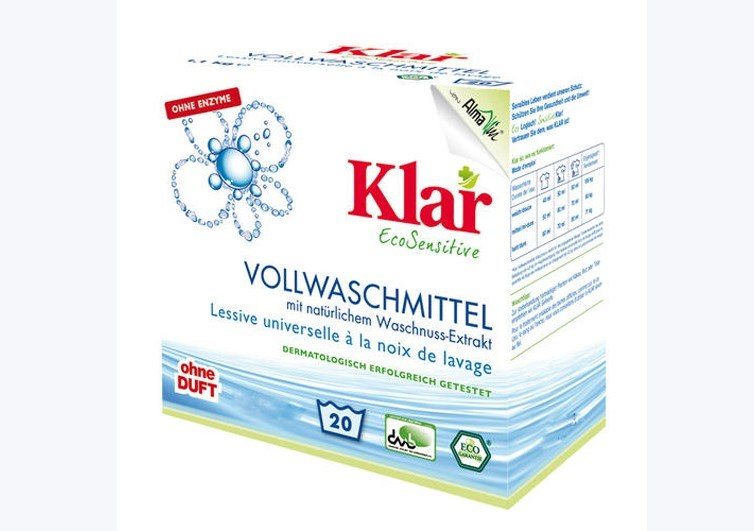
Klar Eco Sensitiv is another German-made laundry detergent. Its main ingredients are soap nuts, vegetable oil soap, oxygenated bleach, zeolites, salt, baking soda, citric acid, sugar surfactants, rice starch, sodium silicate, and a bleach enhancer. This detergent is suitable for both white and colored laundry. It can be used at temperatures ranging from 30 to 95 degrees Celsius. The powder is environmentally friendly, as confirmed by the trademark. Veran, approved by the Allergy and Asthma Association. A 1.375 kg package costs about $10.
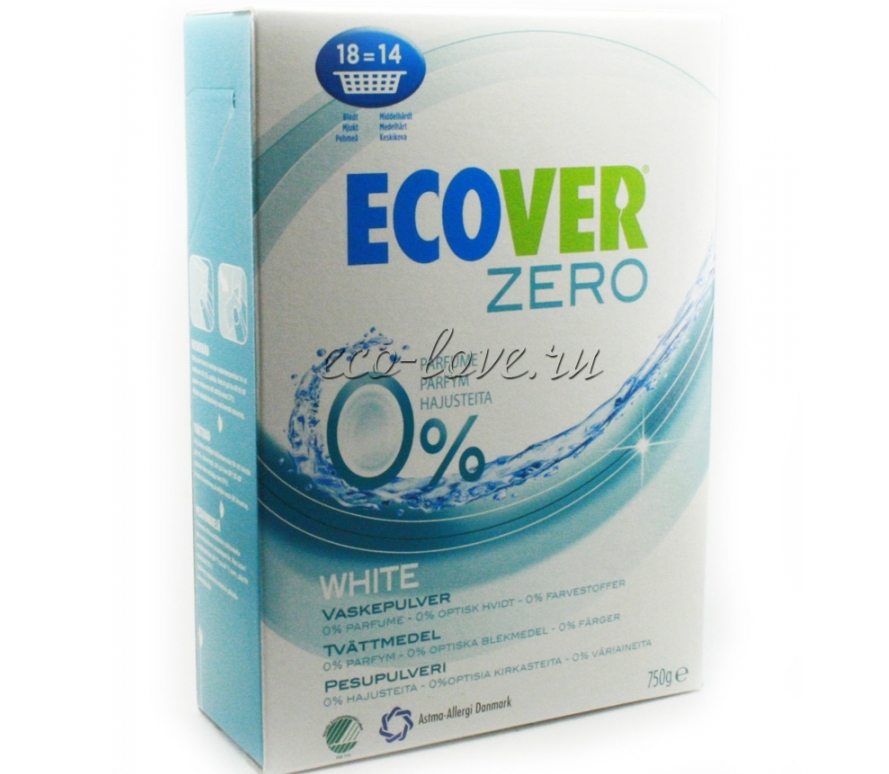
Ecover Zero is a phosphate-free laundry detergent made in Belgium. It contains biosurfactants, soap, zeolites, a polypeptide, sodium bicarbonate, and sodium sulfate. Simply put, it contains no banned chemicals. This product is suitable for both hand and machine washing and is suitable for all types of fabric. The concentrated powder means you only need a little. A 750g package costs about $7.
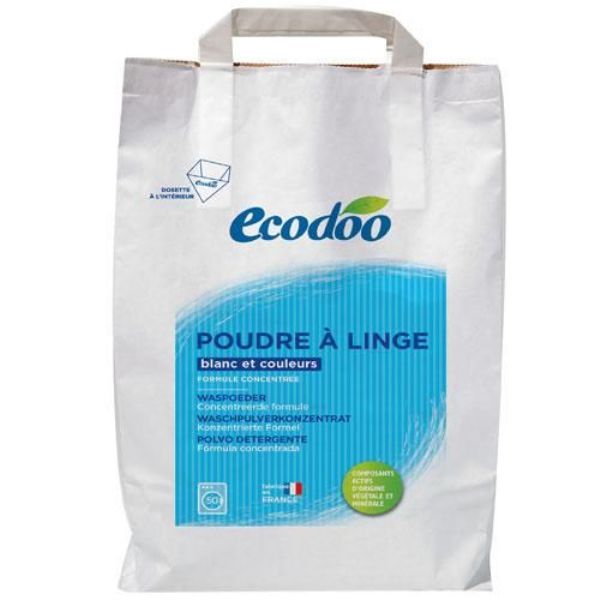
EcoDoo is a French laundry detergent infused with rosemary and lavender essential oils. Its key ingredients include zeolites, surfactants, Aleppo soap (a blend of bay laurel and olive oil), and enzymes. It operates at temperatures ranging from 30 to 90 degrees Celsius, and is a concentrated powder. The cost of 3 kg of powder is approximately $22.
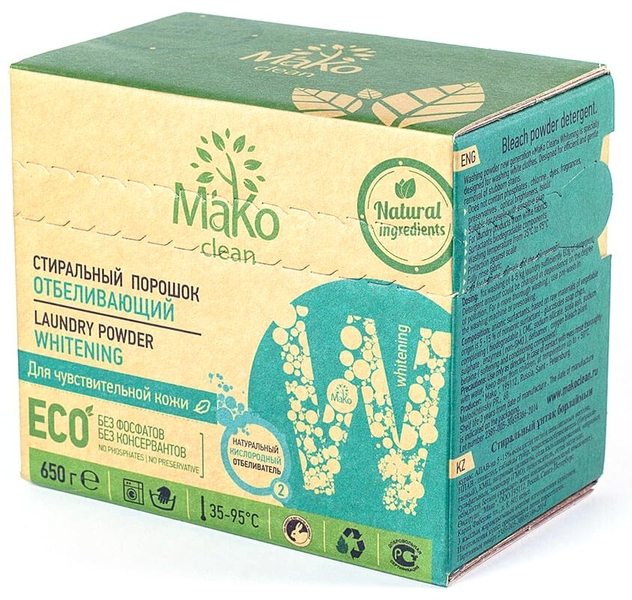
Mako Clean is an environmentally friendly laundry detergent produced in Russia. It contains surfactants, enzymes, soap granules, a foam suppressant, and soda ash. It is a uniform white powder with no strong odor. A 1,350 kg package costs approximately $7.
In addition to those listed above, other manufacturers' powders are also considered safe; their composition differs little from those listed above. Here is a list of manufacturers:
- AlmaVin;
- Mi&Co;
- S.Herbals;
- Sonett;
- Nissan FaFa;
- Garden;
- Clever Free.
Please note! Phosphates are banned in some European countries, such as Austria, Germany, and the Netherlands, as well as in Japan and South Korea, so look for powders produced in these countries.
So, phosphate-free laundry detergents are considered environmentally friendly, but some of them can be no less dangerous if they contain European phosphate substitutes—zeolites. It's impossible to completely eliminate chemicals from the detergent; for example, surfactants are present in absolutely all detergents, except homemade powdersBecause then they'll be ineffective. When washing clothes, simply rinse them thoroughly and don't increase the detergent dosage. Wash properly!
Interesting:
Readers' comments
Headings
Washing machine repair




For buyers




For users


Dishwasher




Add a comment