
Which washing powder is the safest?
 Until there are newborns, small children, or allergy sufferers in the family, almost any laundry detergent seems fine. Many people in our country and abroad frankly don't pay much attention to the eco-friendliness of their laundry detergent—it washes well, it's inexpensive, and that's great, but we don't have time to read about its ingredients; we have to wash. When newborns arrive, the situation changes dramatically, and young mothers begin searching for a truly safe product. And that's where some serious problems arise.
Harmful chemicals
What is the world's safest laundry detergent? What should it look like, what color is its label, and does it even exist? These and other questions are constantly asked by people who have discovered that their favorite laundry detergent is causing irreparable harm to their health and the health of their loved ones. Unfortunately, to determine for sure whether a washing powder is safe or not, it is not enough to watch a commercial featuring movie stars and examine the front of the packaging. We need to understand the chemical composition of this powder.
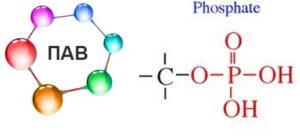 At a minimum, you need to read the ingredients in the powder, and at a maximum, send samples of pre-selected products to a lab for testing. The latter option is unlikely for everyday use, so we'll focus on the powder's composition and the components it contains. Which chemical components are safe, and which are not?
Part of the answer to this question is contained in the article Washing powder without phosphates and surfactantsIt goes into considerable detail about the unsafe components of washing powders.Accordingly, if a powder does not contain the chemicals discussed in this publication, then the powder is conditionally safe, but does this make it the safest and most effective?
The safest washing powders used for newborns are generally ineffective and unsuitable for washing adults' dirty laundry, as they are based on ordinary soap.
Review of non-hazardous powders
We could spend countless hours discussing safe and unsafe powders, but it wouldn't be very helpful. We decided to make your search a little easier by scouring the market and selecting a few samples to include in our review, which we've dubbed "The Best and Safest Powder."
A rating is implied in this case, but we deliberately did not compile one, presenting samples only as part of the review. We think that after studying this review, you will easily compile your own rating and determine which model is most suitable for newborns. Here are the laundry detergents for newborns and small children that we have selected for our review.
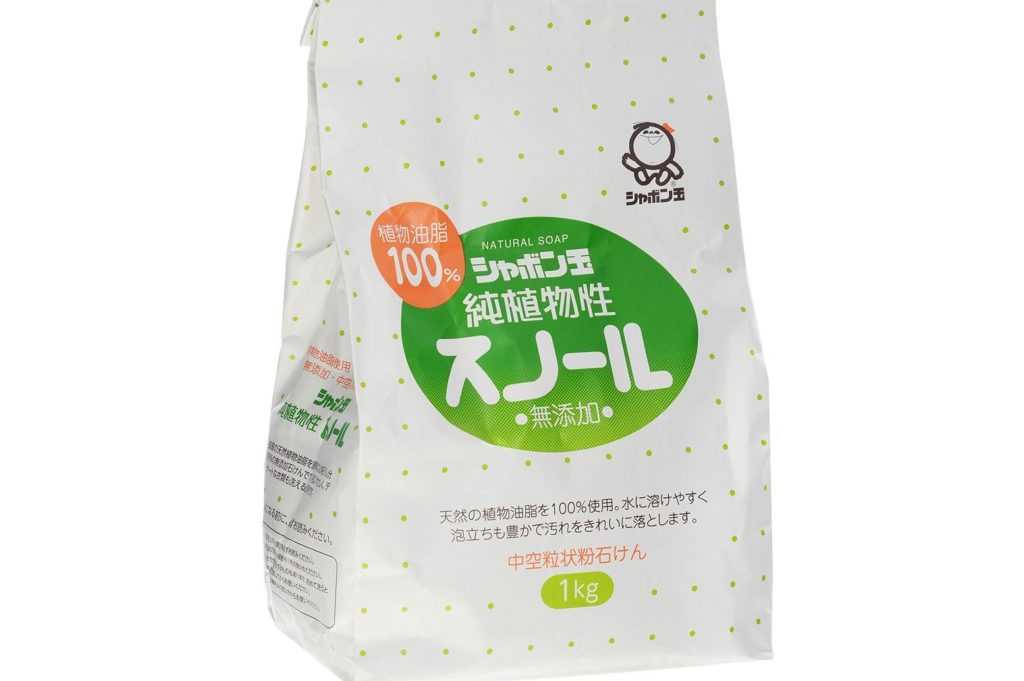
- A series of Japanese laundry detergents from Shabondama. This brand produces several laundry detergents, differing primarily in the scent of natural fragrances, but they all share a key similarity: they are all made from 99% natural soap. No chlorine, surfactants, phosphates, zeolites, or other questionable chemicals, but the price is far from kiddie-friendly—approximately $12 per kilogram. It washes diapers and baby clothes perfectly and is hypoallergenic.
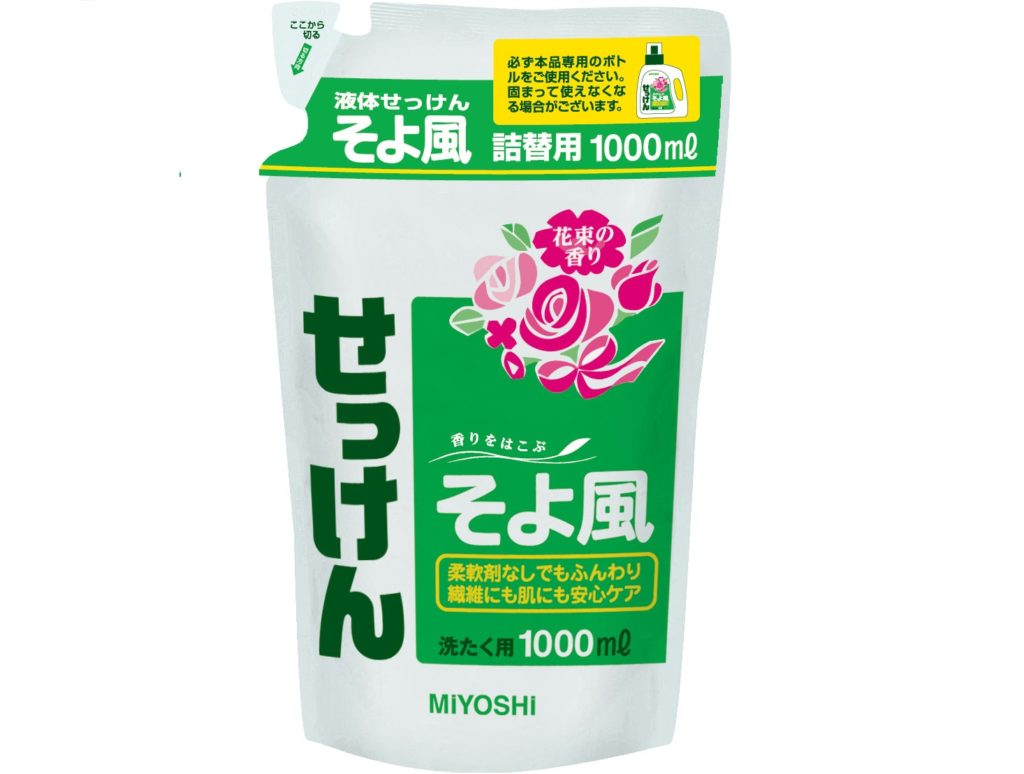
- MIYOSHI powdered soap is slightly less safe. However, if newborns' diapers are rinsed thoroughly, this powder will not cause any harm or allergies. The basis of this powder is soap chips, and 1/3 of the volume is natural alkali. This powder soap washes much better than Shabondama products, but unfortunately, it costs only a little less – $23 for 2 kilograms 100 grams of powder.
- Even more effective, but no less safe, is Molecola Ecological for Baby laundry detergent. It's one of the best detergents for newborns and small children in Europe. It's also suitable for washing moderately soiled adult clothes. This laundry detergent contains three ingredients: baking soda, coconut soap, and sodium citrate. All natural and safe. It costs about $5.50 per kilogram.
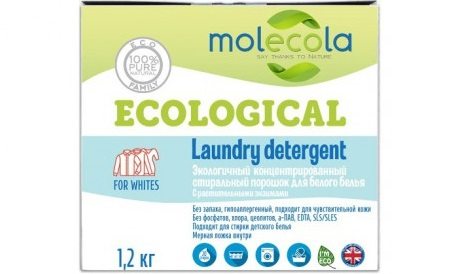
Sodium citrate is a recognized food additive widely used in cooking worldwide. As a powder component, it is completely safe.
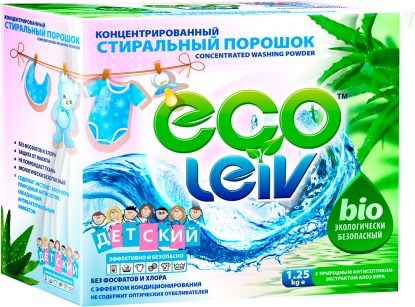
- The ECO LEIV series of laundry detergents has also proven itself to be excellent. They can be used to wash everything from newborn diapers to work clothes. This detergent isn't as effective as its chemical-laden counterparts, but it's still very good. Ingredients: soap granules, sodium silicate, sodium carbonate, aloe extract, and enzymes. Nothing that could harm the fragile health of the child, so use it with confidence. Washing powder costs $4.5 per 1 kg.
Homemade remedy
 A soap manufacturer can claim all they want that their products are completely safe for health and the environment. However, it's important to understand that no one is immune from counterfeiting, especially expensive products. Buying a counterfeit pack of soap once can send you running to dermatologists with your newborn. To ensure this doesn't happen, you can make your own powder for babies and allergy sufferers.
The powder is very easy to make using the most common ingredients. The main ingredients are soap and washing soda. In an earlier post, we shared several good homemade powder recipes using these two ingredients. If you're interested, check out the article. Washing powder made from soap and soda ash, we will not repeat ourselves.
By making powder from the simplest and most proven ingredients, you will show maximum care for your loved ones, especially children.
In conclusion, it should be noted that the market is overflowing with dangerous laundry detergents that can actually cause severe allergies in children and adults, and in some cases, serious dermatological conditions. In some cases, double rinsing clothes after washing can help, but it's better to initially use safer products, which have yet to be discovered.
Interesting:
Readers' comments
Headings
Washing machine repair




For buyers




For users


Dishwasher




Add a comment