
Washing a large blanket in a washing machine
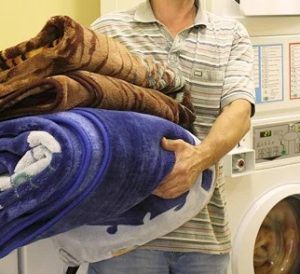 A large terry blanket is a delight to wrap yourself in, but washing it is a different story. When wet, the bulky item becomes significantly heavier, making cleaning somewhat more challenging. But there's no such thing as an insurmountable problem—you can refresh a blanket by hand or in the washing machine. The only thing left to figure out is how to properly wash a large blanket in the washing machine and by hand. All the details and recommendations are provided below.
What is the blanket made of?
Nowadays, a soft throw on a sofa or bed is an essential piece of furniture. It decorates the room, provides warmth, and protects the furniture and bedding from dust and dirt. Moreover, the modern market offers a wide variety of colors, sizes, and styles—everyone can find a throw to suit their taste.
As a rule, blankets are classified according to the material they are made from. The most commonly purchased blankets are wool, cashmere, fleece, fur and plush. Each fabric has its own advantages, disadvantages and cleaning conditions.
- Wool. Blankets are available made from natural and synthetic fibers with short or long pile. They are inexpensive, warm, and easy to care for.
- Cashmere. Blankets made from the high-quality undercoat of mountain goats are more expensive than regular wool blankets because they are smoother and softer. However, there is a downside: cashmere items require extra care.
- Fleece. Blankets made from this synthetic knit, despite their light weight, retain heat well and are breathable. Another advantage is their low cost and wide range of colors.
- Faux fur. These throws are shaggy, soft, and affordable. Colors range from familiar beige tones to vibrant shades and imitation animal skin.
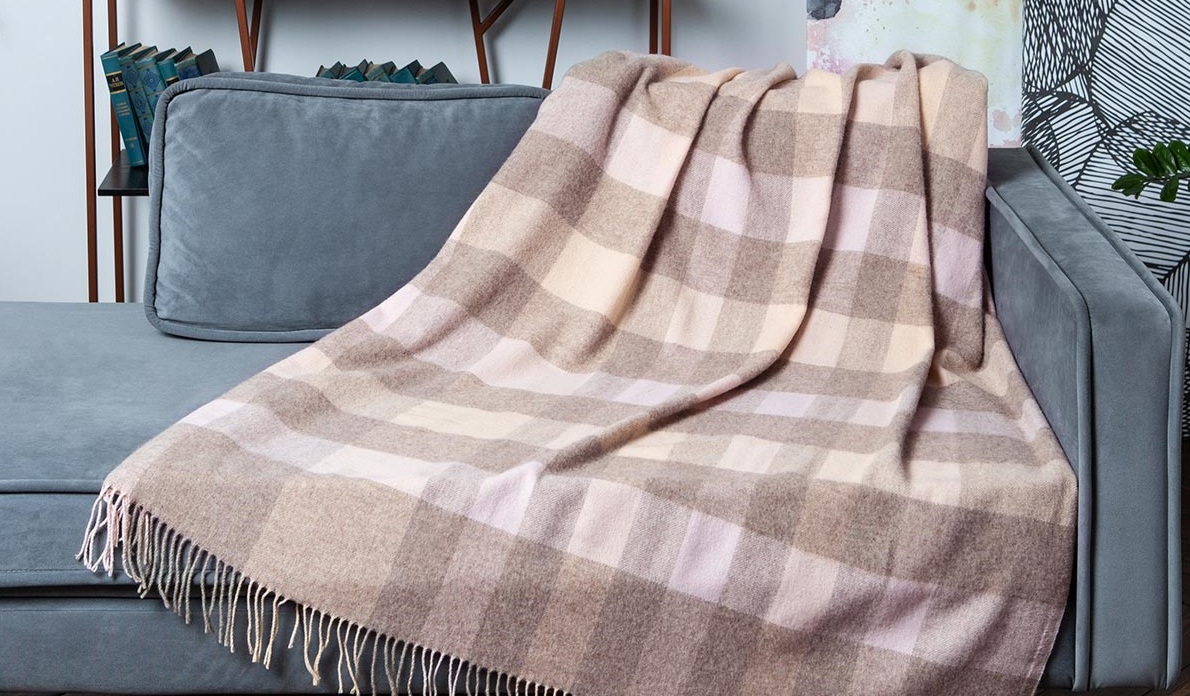
- Plush. It has a thick, short pile and a cotton base, making it extremely soft, warm, and practical.
Before washing a blanket, be sure to read the label sewn onto it—the manufacturer indicates the optimal cleaning conditions for the product!
Cleaning conditions for a blanket depend on the material it's made of. Synthetic fibers are the easiest to clean, as they can withstand both machine and hand washing at any temperature and spin cycle. Identifying the fiber type is easy: just look at the product's manufacturer's label. The manufacturer will also indicate the optimal washing parameters for the blanket.
If the label has become lost or worn over time, use the gentlest cleaning cycle: a delicate cycle, heat up to 40 degrees Celsius, and a low spin cycle. Many wool blankets, as well as items made of cashmere, fleece, plush, and faux fur, should not be machine-wrung, as this can damage the fibers and cause the pile to clump. Dry the blankets naturally, away from direct sunlight and heating devices.
Will it be possible to use the machine?
Most blankets are machine washable, but under certain conditions. The first and most important consideration is the machine's ability to handle the final weight of the item. While a dry blanket folds easily and fits into the drum, when wet the pile becomes much heavier and exceeds the maximum capacity of the machine. In the best case, the washing machine will abruptly stop the cycle; in the worst case, an imbalance will occur with all the consequences, including the “fatal outcome” of the unit.
Before loading the blanket into the drum, compare the weight of the item and the maximum capacity of the washing machine.
To avoid causing problems with your washing machine, estimate the weight of the blanket before loading it into the drum and compare it to the machine's capacity. Typically, a double wool blanket requires a drum capacity of 10-12 kg, while a single blanket requires at least 5-6 kg. You can also use the drum's fullness as a guide, as ideally the blanket should occupy no more than two-thirds of the drum.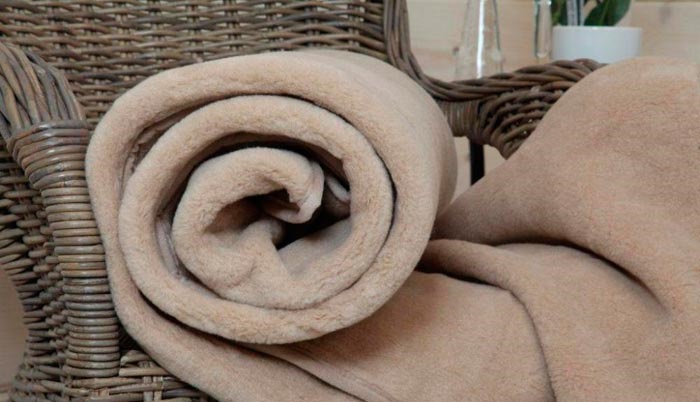
When washing in a machine, it is worth remembering a few more important nuances:
- Before loading, the blanket is thoroughly shaken out and cleaned of hair, crumbs and pellets;
- the bedspread is washed separately from other items;
- Strong stains can be removed with special stain removers before machine washing;
- Instead of powder, liquid concentrates or delicate gels are used - they “work” better in cold water, dissolve faster and are washed out of the fibers without residue;
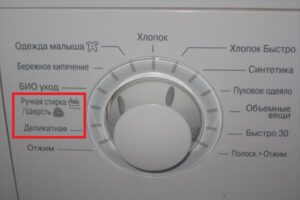
- the program is selected according to the type of fabric (“Wool”, “Synthetics” or “Fur”) or the most gentle one is set (“Delicate” or “Hand”);
- the spin cycle is switched off or reduced to a minimum;
- maximum temperature – 40 degrees.
Fleece and plush blankets require special care. Hand washing is best, but a washing machine will do just fine. In the latter case, follow these steps:
- roll the fleece or plush into a rough roll and load it into the drum;
- add delicate gel to the main compartment of the powder receptacle;
- select the “Delicate” or “Manual” mode (with these programs the drum will barely rotate, but will only rock without damaging the fabric);
- turn off the spin or reduce it to a minimum.
At the end of the cycle, carefully remove the blanket and gently squeeze it by hand, pressing and stroking without twisting. Then hang the blanket out to dry.
If the blanket doesn't fit in the washing machine
It is not always possible to wash a blanket in a washing machine. For bulky woolen items, machines with a capacity of at least 5 kg are required, and for cleaning double bedspreads, machines with a capacity of at least 10 kg are required. If your washing machine's drum is too small, it's best to play it safe and refresh your blanket the traditional way.
Before hand washing, shake out any dust or crumbs from the blanket and inspect it for heavy soiling. If stains are present, treat them with a stain remover or laundry soap. Then, proceed to a full cleaning.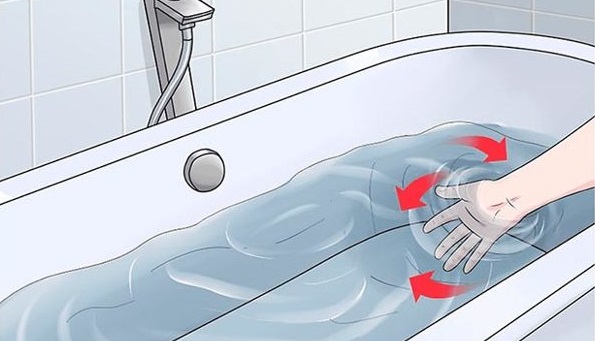
- Fill the bath with warm water (optimal temperature is 30-40 degrees).
- Foam the detergent in water (as with machine washing, we give preference to liquid detergents).
- Dip the blanket into the soap solution, distributing it evenly throughout the bathtub.
- Leave the blanket to soak for 30-40 minutes.
- Then, using gentle movements, crush the fabric, squeezing the dirt out of the fibers.
- When the water darkens, drain it.
- Rinse with a shower head, turning and pressing the blanket until the running water becomes completely clear.
- Fill and drain the bathtub several times to completely rinse out the detergent.
- Drain the water from the bath and leave the blanket on the bottom for another 20-30 minutes until most of the moisture has drained from the fibers.
When hand cleaning, the blanket is rinsed at least three times!
There's also a "country" method for cleaning a blanket, suitable for those living in a private home. Hang the blanket on a fence in the yard, thoroughly water it with a hose, then dilute the soapy water in a basin, soak a brush in it, and scrub the soiled areas separately. Then rinse the blanket with clean water and leave it to dry.
If you can't wash the blanket by hand, or if you can't remove stains from the bath or the fence, you only have two options: take it to a laundromat or a dry cleaner.
Interesting:

Readers' comments
Headings
Washing machine repair




For buyers




For users


Dishwasher




Add a comment