
The washing machine drum is loose and wobbly.
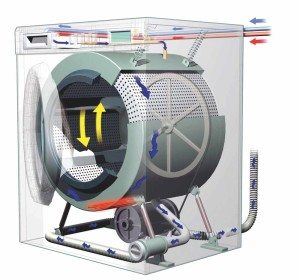 A wobbly or noisy washing machine drum should at least raise your suspicions, and you should ask yourself why this is happening. This behavior of a vital moving part could be a precursor to a serious breakdown, so leaving things as is and continuing to wash is absolutely not an option. What washing machine problems are indicated by a wobbly drum, how can you identify them, and how can you fix them? We'll discuss all of this in this article.
Causes of breakdown and how to identify them?
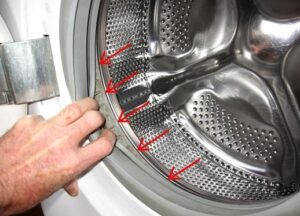
Some play in the washing machine drum is included by the manufacturer., so if you grab its sides and rock it, it will rock slightly from side to side—this is normal. No loud knocking sounds will be heard. However, if there's a problem, try the following first.
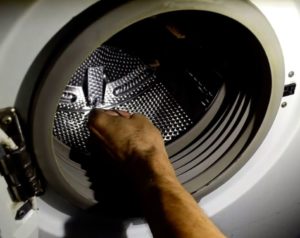
- Open the washing machine's lid, grasp the drum with your hands, and gently move it from side to side, then rotate it clockwise and counterclockwise. If you hear a loud knocking or grinding noise, this is the first sign of a problem.
- Turn on the washing machine and set the spin cycle to the highest possible speed (usually 1000, 1200, or 1400 rpm). If the drum vibrates excessively when spinning at high speed, causing it to feel as if it has come off the axis, accompanied by loud, noticeable noises, this indicates either a broken bearing or a broken shock absorber.
- To determine the cause of the problem, look under the bottom of the washing machine. Typically, problems with the bearing are accompanied by water leakage through the moving element located on the rear wall of the tank. There is a high probability that a puddle will accumulate under the machine after washing, which will only mean one thing - the seals and drum bearings need to be replaced.
- If there's a loud knocking noise but no water leaks, it's best to avoid the bearings for now and instead check the shock absorbers. They're much easier to access.
Please note! When spinning the washing machine drum, pay attention to how easily or heavily it rotates. If the drum is noticeably heavy, it appears to have come loose—this is an indirect sign of bearing failure.
At this initial stage, it's impossible to determine anything else without disassembling the washing machine. It's impossible to pinpoint exactly what's broken without opening the case, so to pinpoint the problem, let's remove the top cover and take a closer look.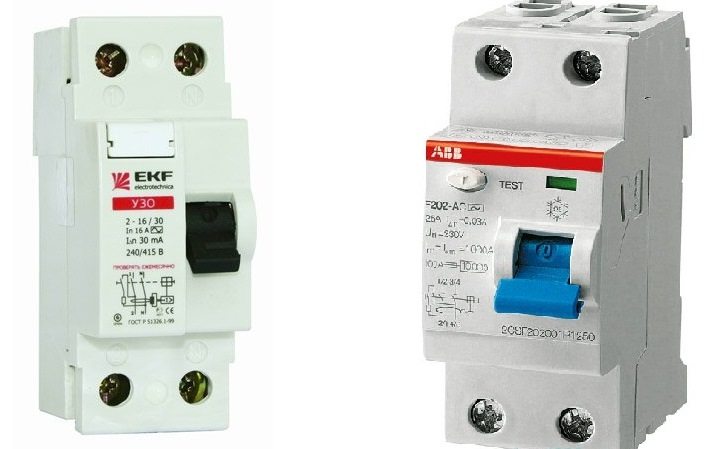
Malfunctioning spring hangers or shock absorbers are usually easy to spot. Simply inspect them carefully, or better yet, gently rock them. If you find even one faulty spring hanger or shock absorber, you've found the problem and won't need to disassemble the tank to repair the bearings. If the hangers and shock absorbers are definitely working, you'll need to dig deeper into the car and remove the tank.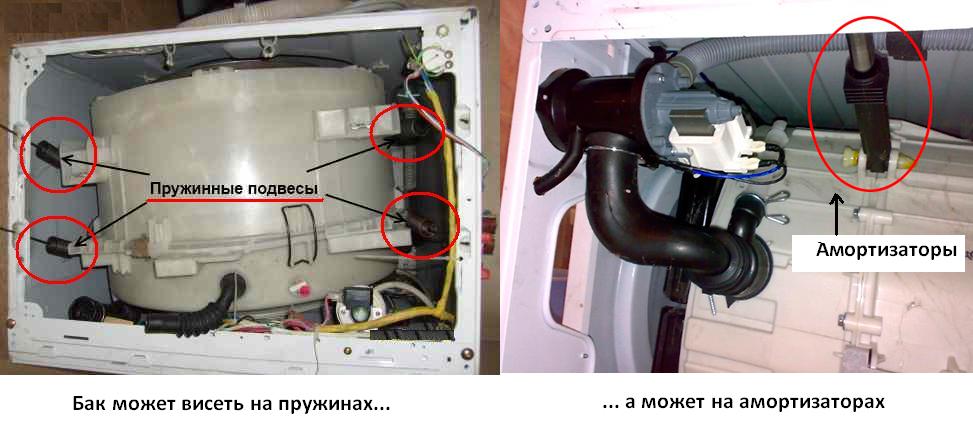
What do you need to do the repair yourself?
The tools and components needed to repair a loose drum will depend entirely on the nature of the problem. If you need to replace shock absorbers or springs, all you need is a flat-head and Phillips-head screwdriver, an awl, a set of wrenches, and, accordingly, a set of shock absorbers or springs suitable for the particular washing machine model. However, if you need to replace bearings, you'll need a few more tools and components:
- hammer with a copper striker;
- steel rod or pin;
- cold welding or sealant;
- awl, flat and Phillips screwdrivers;
- set of heads and open-end wrenches;
- pliers;
- specialized lubricant for washing machine mechanisms;
- A set of bearings and seals for a specific model of washing machine.
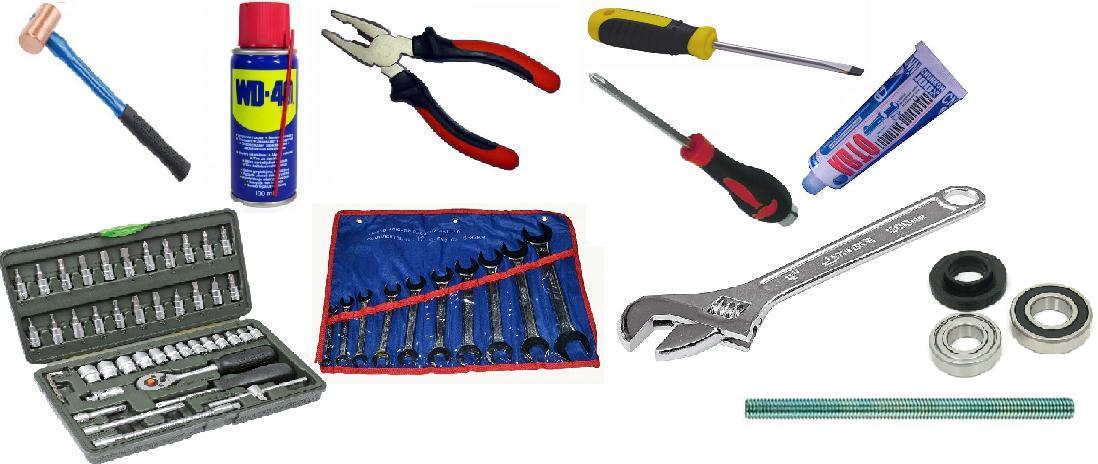 We'll need a hammer with a copper striker for more delicate removal of the shaft from the washing machine drum stud, as this type of striker prevents damage to the delicate components. A steel rod, pin, or other suitable tool is needed to knock the bearings out of their seats. The type of tool doesn't really matter, as long as it's the right length, thickness, and metal.
Cold welding or sealant may be required if a certain washing machine model has a non-separable tub. In this case, to disassemble the tub, it is cut crosswise along the seam and then joined together using screws and cold welding. An awl is a convenient way to pry up seals and remove old seals.Screwdrivers will be useful for loosening fasteners, as will a set of sockets and open-end wrenches. Special grease will be needed to fill the seals and lubricate the shock absorbers.
Important! If you decide to replace bearings, don't skimp; replace them all in a set. This will reduce the amount of time you'll have to dig into the machine body and repair it.
We fix breakdowns
Repairing washing machine bearings is a rather complicated procedure.
- First, you need to disassemble it correctly to get to the tank and remove it. The problem is that different washing machines from different manufacturers need to be disassembled differently, which complicates the matter.
- Secondly, you need to properly disassemble the washing machine tank.
- Third, you need to remove the broken bearings correctly without damaging anything. This can create problems. For more information on how to replace bearings in a washing machine, using LG models as an example, read the article. about replacing bearings in an LG machine?
Suspensions or shock absorbers are somewhat easier to replace, but there are some pitfalls. In some washing machine models, the shock absorbers can be accessed through the top and bottom of the machine. This is very convenient, as it saves a significant amount of time and effort required to remove the panel, front, and back of the machine.
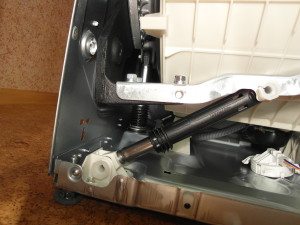 In this case, you will only need to unscrew the fasteners holding the shock absorbers, remove them, and then screw on new ones. If only one shock absorber fails, then all of them still need to be replaced – this should always be done. In most washing machine models, the shock absorbers can only be accessed by removing the front panel. What should be done in this case?
- Remove the top wall of the washing machine body by unscrewing several fasteners and pulling it towards you and then up.
- Remove the powder tray and the plate covering the drain filter.
- Unscrew the fixing elements holding the control unit and remove it, having first disconnected the wires.
- Open the door of the washing machine wide open, then take a screwdriver and remove the door locking device by unscrewing the two fasteners and disconnecting it from the sensor.
- Take an awl and carefully pry the clamp located on the rubber cuff. Use your fingers to pry the cuff under and carefully pull it out.
- Unscrew the fasteners near the powder drawer, under the control unit, and in the upper and lower right corners of the machine body, and remove the front panel. The shock absorbers are now accessible; replace them as described above.
We've described the process for replacing such parts in general terms. The entire process is described in more detail in the article. How to change springs and shock absorbers in a washing machine?
To summarize, if the drum of a washing machine that has served you faithfully for years is wobbling and knocking, there's a good chance the shock absorbers or bearings are worn out. What should you do? This situation cannot be left to chance., it's urgent to check the drum and repair any faulty components. Good luck!
Interesting:


6 reader comments
Add a comment
Headings
Washing machine repair




For buyers




For users


Dishwasher




Helpful article. Thank you.
Everything is clear and understandable!
Thank you very much for the advice. I seem to have this problem. I'll look into it... helpful article.
The video is long and tedious. The cat is drawn...
Thank you. You've put my mind at ease. It would also be useful to know how much the technician will charge.
Could the shock absorbers be too stiff? That's odd. The engine is fine, the drum has no play, the belt is properly tensioned, but at high RPMs and with a load of about 3-4 kg, the car starts to "shock" somewhere from below. After a year of fairly intensive use, the shock absorbers feel tighter than new and are covered in old dust, as if they're not working properly.