
The drum of my LG washing machine is knocking when spinning.
 Modern LG washing machines are virtually silent, with only slight vibration and hum from the accelerating motor. Extraneous sounds—knocking, grinding, or creaking—indicate user error or a malfunction. Ignoring excessive noise from the machine is crucial, as a minor malfunction can develop into a serious problem. It's impossible to immediately determine why the drum is thumping during the spin cycle. A comprehensive diagnosis and analysis of the accompanying symptoms is necessary.
Most likely, this is not a breakdown.
If your washing machine starts making loud noises and jumping around the room, it's safer to forcefully end the cycle and thoroughly check the machine. Knocking can be caused by several problems at once: from blockages and faulty shock absorbers to broken bearings. In any case, the drum balance is disrupted – the container “flies off” and hits the body of the washing machine.
Imbalances aren't just caused by malfunctions; often, the problem stems from simple user carelessness. To avoid needlessly disassembling the machine, it's important to first rule out less serious causes. These include improper drum loading and machine instability.
- Loading standards were not met. The main cause of imbalance is exceeding the machine's maximum capacity. A similar outcome occurs if the cylinder is underfilled. In either case, you'll need to stop the program, open the door, and then add or remove some laundry.
Modern LG washing machines are protected against imbalances – if the balance is disturbed, the system stops the wash and displays an error code!
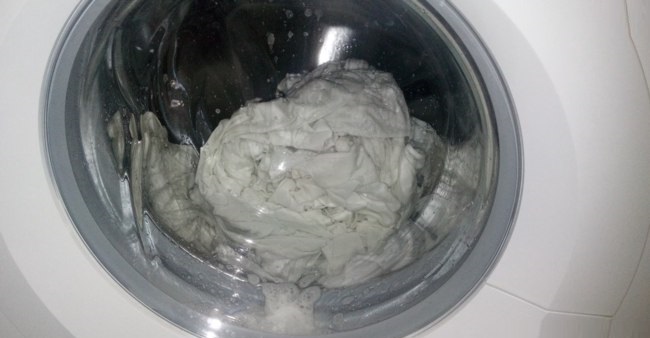
- The laundry is unevenly distributed. Often, the machine makes a noise due to "clumping": the clothes loaded into the drum become lumped together. The balance is disrupted, the cylinder shifts from its intended path, and hits the sides of the machine. The solution is simple: simply pause the cycle, open the door, remove the clothes, straighten them out, return them, and continue washing.
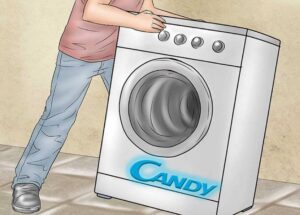
- The washing machine is uneven. The washing machine must be placed on a level and solid surface, otherwise imbalance and rattling will occur.
Use a spirit level to check the stability of the washing machine. If it shows any deviation, the feet need to be adjusted or the machine moved to a more level surface. You can also test the machine manually by rocking it. A properly installed machine will not budge.
Shock absorbing system
LG washing machines are equipped with a vibration-damping system consisting of springs and dampers. These dampers help maintain balance even during spin cycles at maximum speed. If the shock-absorbing elements wear out or break, the balance is disrupted: the drum shifts, hits the walls of the housing, and a knocking and humming sound appears.
Operating a washing machine with faulty shock absorbers is dangerous – there's a high risk of serious internal damage. It's best to check the dampers and springs at the first sign of knocking, and if they're faulty, replace them with new ones. Here's the procedure: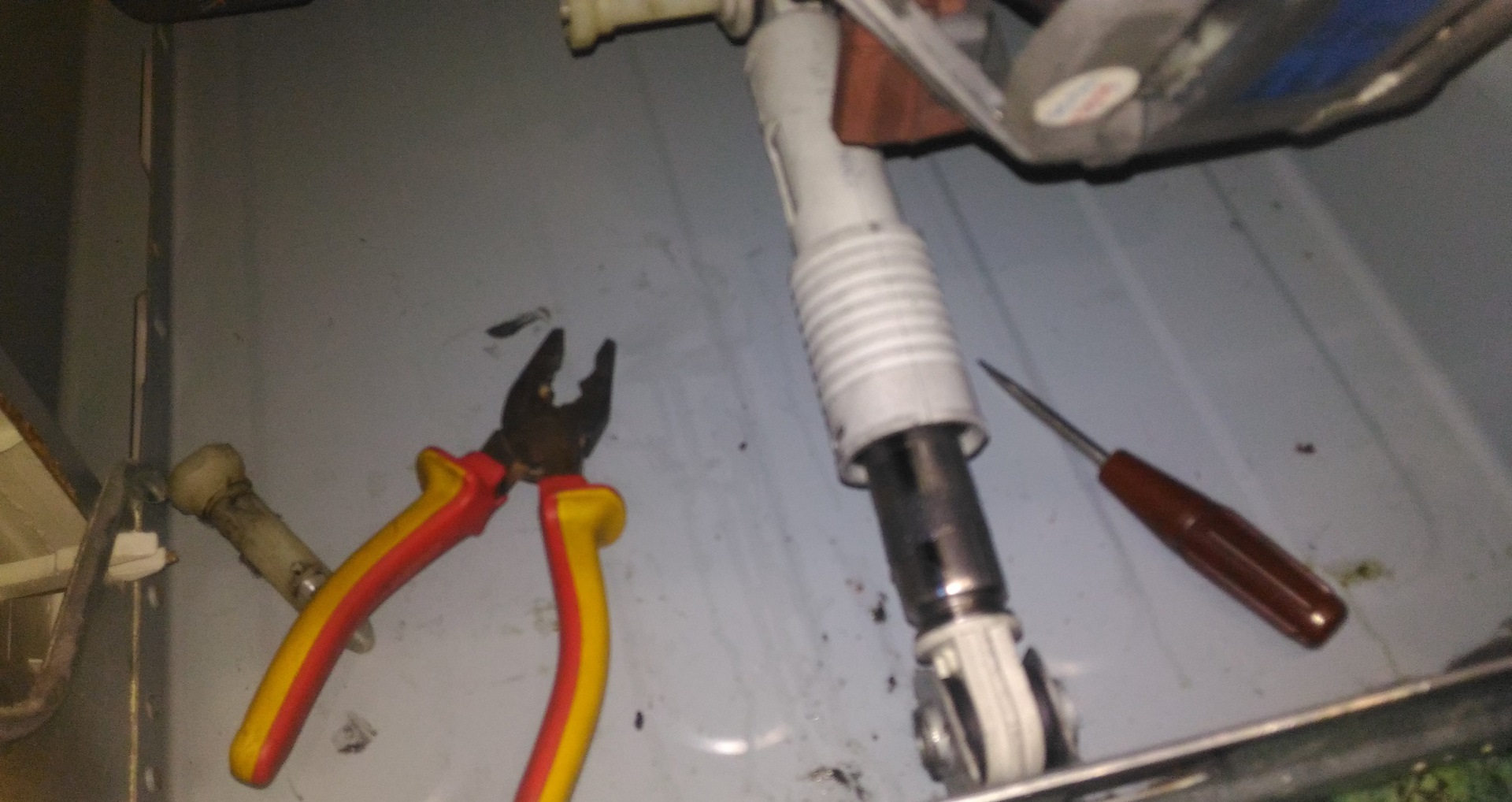
- de-energize the machine;
- remove the top cover by unscrewing the corresponding bolts;
- raise the washing tank to the maximum height;
- fix the new position of the tank with a solid object, for example, a block;
- pull the spring towards you and unhook it from the hook;
- put a new element.
Replacement parts are selected based on the serial number of the LG washing machine model.
Once the repair is complete, we lower the drum back into place and replace the top cover. Then, we connect the appliance to the power supply and run a test wash. If the noise persists, we continue troubleshooting.
The counterweight is damaged or destroyed
Counterweights provide the washing machine with the necessary stability. These concrete blocks, whose weight suppresses the centrifugal force emanating from the drum, are located under the top cover of the machine and are secured with reinforced bolts. This prevents the machine from rattling or jumping during the wash and spin cycles.
Before diagnosing and repairing, the LG washing machine should be disconnected from the power supply.
Over time, the counterweights become loose—the bolts become loose and the nuts come off. As a result, the blocks become loose, no longer dampening vibration, but instead, they strike the machine walls during spinning. To resolve this, tighten the fasteners as follows: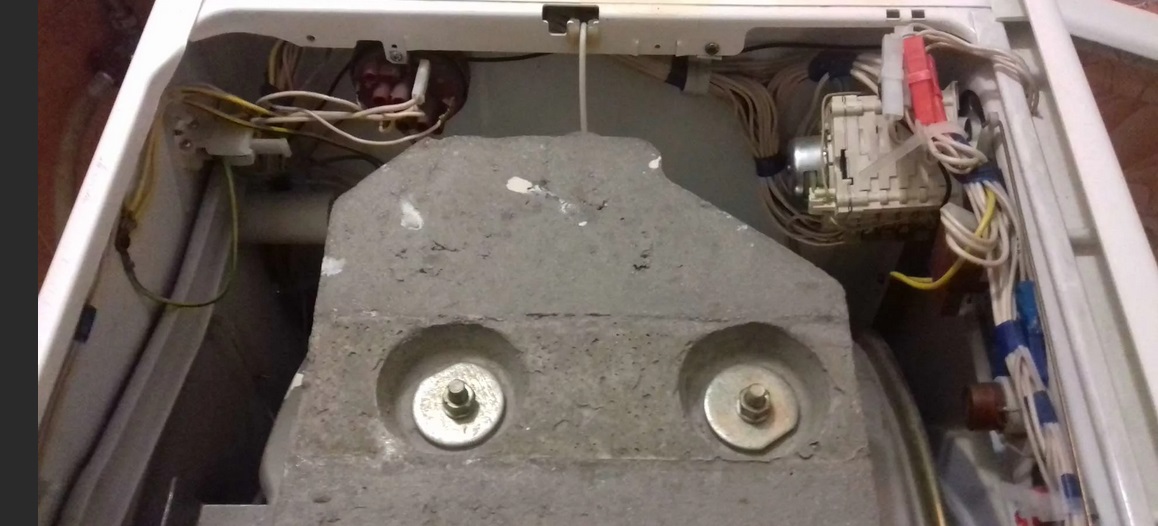
- de-energize the equipment;
- remove the top cover;
- inspect the blocks;
- tighten the washers.
If tightening the fasteners doesn't help, reinforce the structure by adding extra washers to the bolts. This will ensure a more secure fit.
Metal object in the drum
If a previously quiet direct-drive washing machine suddenly starts rattling, the problem is most likely a clog. More specifically, a solid object lodged between the tub and the drum. Troubleshooting is essential, as the clog could jam the system. The consequences will be dire: a deformed cylinder, a punctured tank and stripped bolts.
You can inspect the washing machine's drum through the opening under the heating element. Here's how:
- disconnect the LG washing machine from the water supply and electrical network;
- turn the machine gun backwards;
- remove the back panel by unscrewing the screws around its perimeter;
- find the heating element – a rectangular “chip” with wires at the bottom of the tank;
- disconnect the wiring from the heating element;
- loosen the central nut;
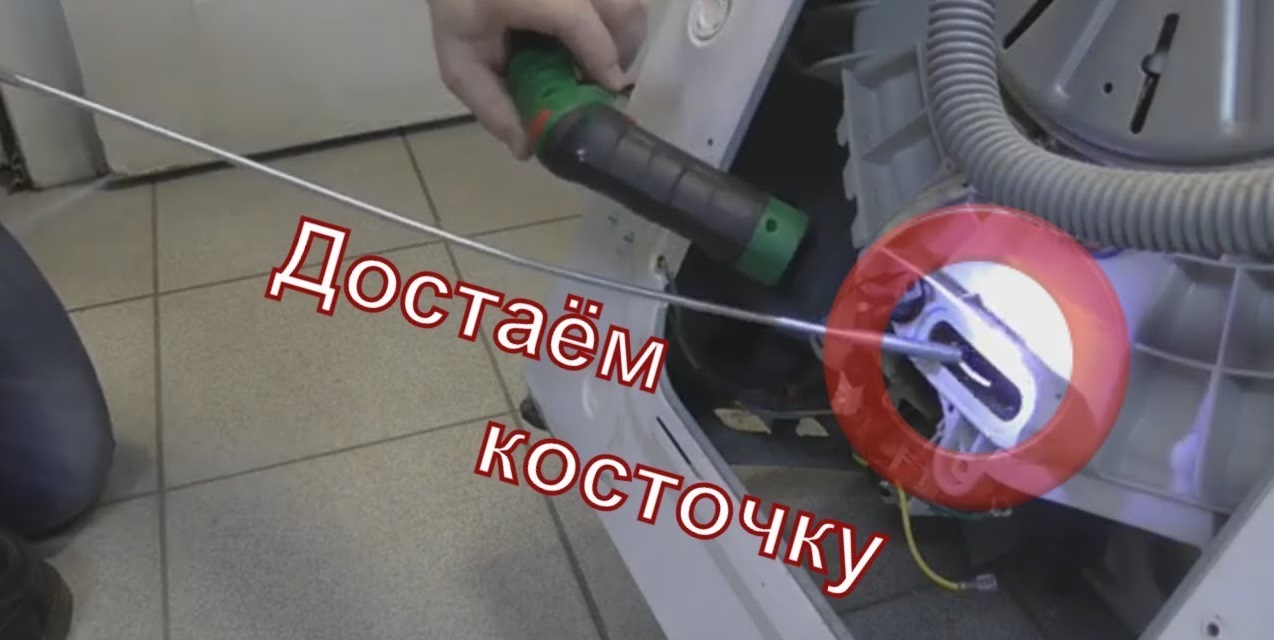
- deepen the rod;
- remove the heater from the hole.
A knocking sound during washing may indicate that a foreign object has entered the drum!
We shine a flashlight through the freed hole and look for the stuck object. If there is one, we reach in and pull it out. You can try using a thick wire bent into a hook. Once the "lost object" is removed, we replace the heating element and run a test cycle.
Sometimes a knocking noise during washing signals damaged bearings. Confirming this is easy: simply remove the back panel from the machine and inspect the rear of the drum and pulley. If the bearing assembly is damaged, traces of rust and grease will remain on the plastic.
Repairing the bearing assembly yourself is not recommended, as it would require almost complete disassembly of the machine. It's best to avoid risk and contact a service center immediately.
Interesting:
Readers' comments
Headings
Washing machine repair




For buyers




For users


Dishwasher




Add a comment