
Instructions for Calgon Gel
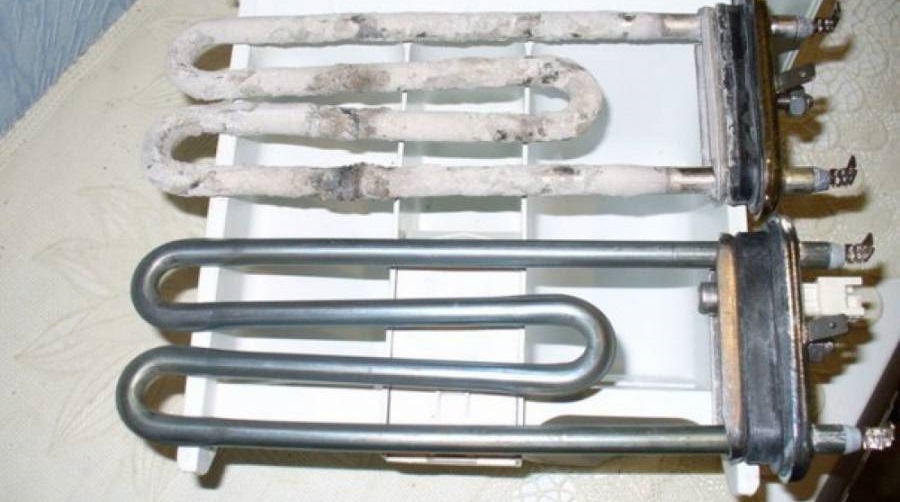
 Tap water in most regions of Russia is extremely hard. This negatively impacts washing machines, causing scale to form on the components. Hard salt deposits reduce the heating element's thermal conductivity, subsequently causing short circuits in the electrical circuit, which often leads to failure of the main control module.
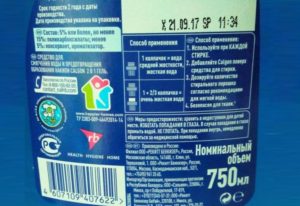
That's why it's so important to use special water softeners. One of the most popular is Calgon. Let's look at the instructions for Calgon Gel and explain how it helps prevent scale buildup on your washing machine.
Composition and release form
Calgon gel's main active ingredient is sodium tripolyphosphate. This active ingredient softens hard water and prevents damage to washing machine components.
Calgon Washing Machine Gel contains 15-30% polycarboxylates. These substances prevent the formation of carbonates that cause scale. Microcrystalline cellulose makes up about 5-15% of the composition, and polyethyleneglycol makes up to 5%. The product also contains surfactants, which promote more effective stain removal.
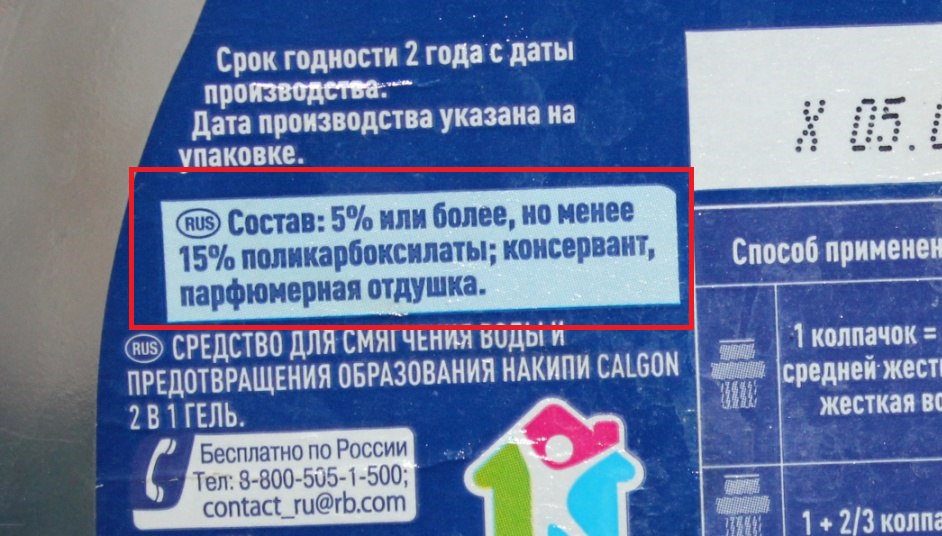
Despite the rather unfriendly names of its ingredients, Calgon is completely harmless to the human body when used correctly and in the correct dosage. It's important to observe basic safety precautions when using the product—avoid contact with eyes, mouth, and stomach.
Calgon can be found on store shelves in powder, gel, and tablet forms.
The formulation doesn't affect the composition—the main active ingredients are identical in all three cases. The product has a delicate, barely noticeable scent that doesn't affect clean items.
Calgon's purpose
Softening hard water is the main function of the product. With regular use, Calgon Gel for washing machines prevents scale buildup on internal components, thereby extending the life of the equipment. This prevents hard salt deposits from accumulating on the heating element, preventing rapid breakdown of the equipment.
In addition to its main purpose, Calgon, by reducing water hardness, allows you to achieve:
- improving the quality of washing;
- reducing the consumption of washing powder;
- maintaining the whiteness of clothes (by normalizing the amount of calcium in water);
- greater softness of washed laundry.
Calgon also helps neutralize unpleasant odors emanating from your washing machine. It rinses completely out of fabrics, causing no harm to clothes or your health.
How to use Calgon?
Before adding the product to your washing machine, please read the instructions for Calgon Gel. The manufacturer recommends using it for every wash. The dosage is determined depending on the water hardness. You can easily measure this indicator yourself by purchasing an express test at a pet store (it is used for aquariums).
Each form of the drug has its own dosage:
- tablets - regardless of the level of hardness, 1 piece is added per cycle;
- gel - taking into account the water hardness, 1 or 1+2/3 measuring caps;
- powder – up to 6 spoons, depending on the salt content in the water.
Place or pour Calgon into the litter tray along with the main detergent. Store the opened package in a dry, warm place, away from food. Keep the package out of the reach of children.
Home remedies instead of Calgon
If you don't have the extra money to buy a water softener, you can use simple and inexpensive solutions found in every home. Instead of Calgon Gel for your washing machine, you can use baking soda, washing soda, vinegar, or citric acid.
The first method is cleaning the washing machine with vinegar. Only 9% acid can be used to combat limescale buildup; 70% vinegar will damage the inside of the machine and corrode the rubber seals.
When cleaning the machine with vinegar, there should be no laundry in the drum.
The algorithm of actions will be as follows:
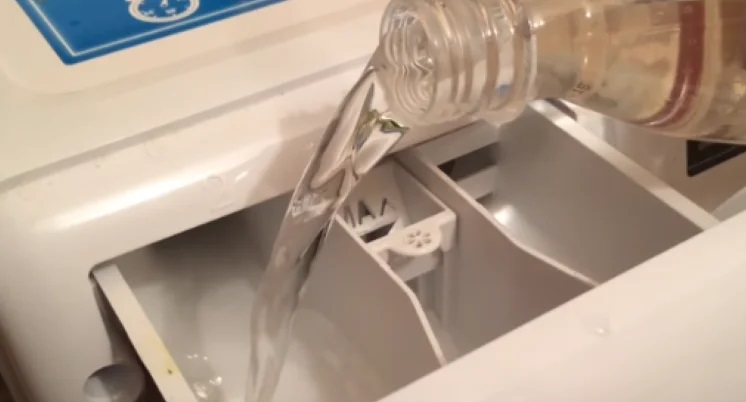
- Pour 200 ml of 9% vinegar into the powder dispenser in the main wash compartment;
- run the longest high-temperature program (heating water to 90-95°C);
- After 25-30 minutes from the start of the cycle, pause the wash;
- leave the machine in this state for an hour and a half, then resume the program;
- wait until the cycle is complete;
- Clean the drain filter. Pieces of scale may be stuck in it.
Next, you need to pour 100 ml of 9% vinegar essence into two liters of water, soak a napkin in the solution and wipe the inside of the drum, the door seal and the door glass with it.
Next, you need to rinse the washing machine with clean water. To do this, run it again without adding any detergents, selecting the shortest cycle. Be sure to select the "Extra Rinse" option in the main cycle. Once the rinse cycle is complete, wipe the inside of the washing machine with a clean cloth and check the drain filter again.
Citric acid is an equally popular descaling agent. Its use is recommended no more than once every six months. "Lemonka" effectively removes existing limescale deposits and prevents new deposits. The drum should be empty during the cycle. A long, high-temperature wash cycle is started.
To clean a 6 kg washing machine you will need only 100 grams of citric acid.
Soda can be used on its own or as an additive to the main powder during the next wash. It is important that the water temperature is above 50°C. For each cycle, it is enough to pour three spoons of sodium bicarbonate into the tray.
For maximum results, use a "nuclear" mixture of baking soda and vinegar. Add 200 ml of 9% acetic acid to the drum and a baking soda solution (1 tablespoon per 100 ml of water) to the detergent drawer. Then run a long, high-temperature cycle. The effect of this treatment is stunning.
Interesting:


Readers' comments
Headings
Washing machine repair




For buyers




For users


Dishwasher




Add a comment