
My Candy washing machine won't spin – what should I do?
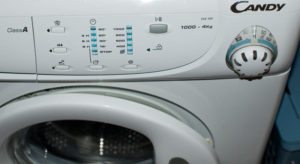 A washing machine that's been in use for several years can break down at any time. The symptoms can vary widely, for example, a Candy washing machine won't spin the laundry after washing. What should you do in this case? First, don't panic, and second, check for any potential causes. This article will help.
Breakdown or error?
When faced with a problem with your washing machine not spinning, you should first rule out any user errors. So to speak, make sure the machine is truly broken. The problem is that laundry will remain wet if you've selected a setting that doesn't include a spin cycle or uses a low spin cycle. Eventually, you might feel like the machine isn't spinning properly.
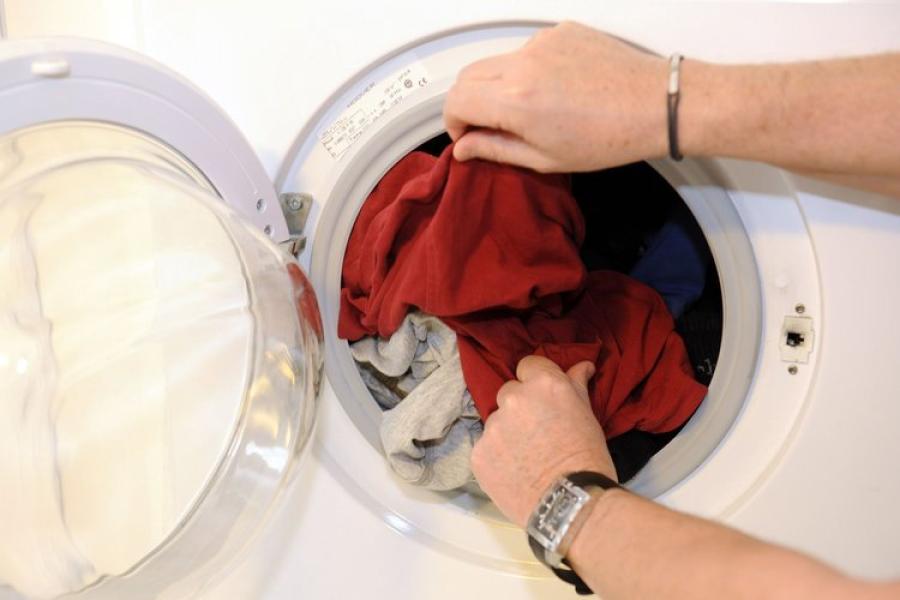
Additionally, some users turn off the spin function and then forget to turn it back on. Another common reason why a washing machine won't spin is improper distribution of the laundry. This happens when there's too little laundry in the drum, or when the laundry is bulky but very lightweight, such as organza curtains.
In this case, you need to check whether the machine is spinning at all by turning on the spin function separately and placing cotton items, such as towels, in the drum.
A clogged drain filter may be the cause of poor or no spinning. Simply unscrew the filter, located at the bottom of the machine, and rinse it. When unscrewing the part, be prepared for water pouring out of the hole, so prepare a good large rag and place a flat container underneath.
Typical breakdowns
If your washing machine won't spin under any circumstances, or even the spin function won't start, it's likely that a component has broken. The most common failures in Candy washing machines are:
- drain pump;
- control module (more precisely, the controller on the module);
- tachometer.
If any of these parts fail, the machine will not operate, and the spin cycle will fail. Identifying and fixing the problem will require time and tools. First and foremost, you'll need screwdrivers and pliers, as well as a multimeter.
We are troubleshooting the problem
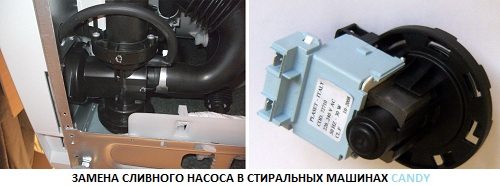
Troubleshooting is best started with the pump. In Candy machines, it's removed and installed through the bottom. To do this, lay the machine on its side. Next, disconnect all wires and hoses from the pump, which are held in place with clamps.
Note! After disconnecting the hoses from the pump, you can also rinse them using a soft brush. This will not only remove dirt and mucus, but also eliminate any unpleasant odor.
With the pump removed, first remove the cover and check the impeller for proper operation. If it's free of hair and debris and rotates smoothly, then move on to checking the electrical component. Using a multimeter, check the component's resistance. If it's burned out, the only option is to buy a new pump and install it in its place.
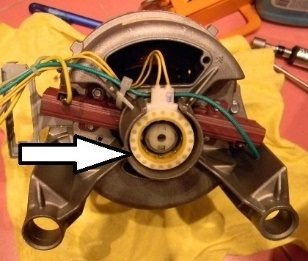
After the pump, check the tachometer. It's mounted on the motor, so this check procedure is perfectly reasonable. To do this, simply open the rear service hatch or remove the entire rear cover. Below the tank, you'll see the motor, which houses the tachometer. Before removing it, first remove the drive belt from the pulley and motor, then unscrew the motor and remove it from the machine.
Now we disconnect the wires from the sensor and measure the resistance, which should normally be 60 Ohms. Pay attention to the bolt that holds the sensor. It shouldn't be loose, otherwise the RPM sensor will malfunction. Replacing this part is described in the article. Tachometer in a washing machine.
Important! The motor sensor breaks when the washing machine is overloaded with laundry. Therefore, never overload your washing machine, as this will impair washing performance and increase wear on the parts.
Perhaps the most problematic part of a Candy washing machine is the control module. This electronic component isn't easy to check, especially if you're new to this type of machine and a complete novice. If this is the case, it's best to call a technician immediately and entrust the work to them, as otherwise, you could run into trouble that could result in significant expenses.
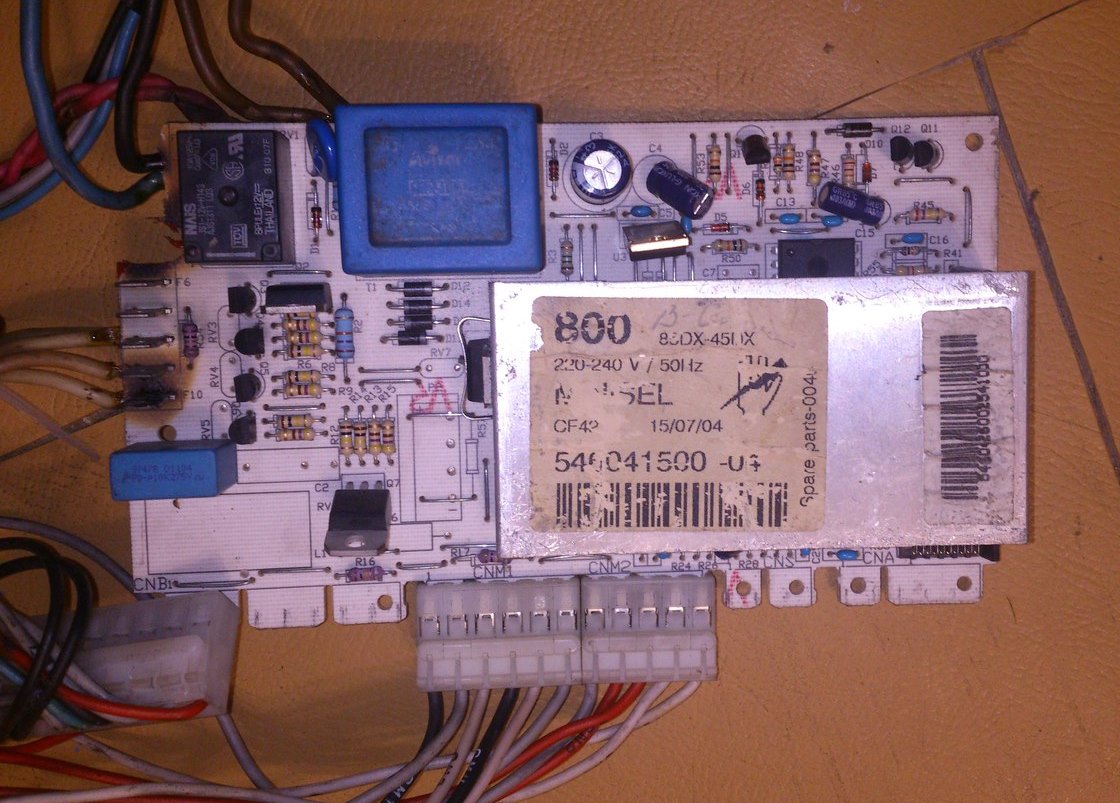
If you're even slightly savvy with electronics and have worked with printed circuit boards, carefully check each controller you see one by one with a multimeter. One of them is responsible for the spin-up function. You can, of course, download the module's schematic beforehand and figure out which component is responsible for what, but it's much easier to test and detect the problem by trial and error. However, this will only work if the controller is truly faulty; if the problem is with a track or another semiconductor component, you'll definitely need the schematic.
To summarize, if your washing machine has been working for a while, and then suddenly, bam, it decides to stop spinning, you need to immediately investigate the cause of the problem. It's important to remember that a malfunction detected too late can lead to a host of other problems. And the longer you use a faulty washing machine, the more expensive the repairs will be.
Interesting:





1 reader comment
Add a comment
Headings
Washing machine repair




For buyers




For users


Dishwasher




Thank you very much! Very useful article!