
Cleaning a washing machine with citric acid
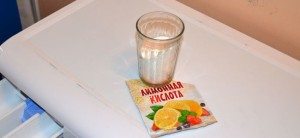 Washing with hard water is not only ineffective but can also cause damage to your washing machine. Salts in the water settle on the heating element and other parts of the machine, causing scale buildup. This is why some experts recommend regular cleaning and using citric acid as a cleaner. However, it should be used with caution. In this article, we'll explain how to clean your washing machine with citric acid and how often.
Machine cleaning algorithm with citric acid
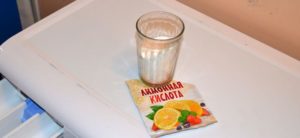
All you need to clean your washing machine is lemon juice and a dry, soft cloth. The entire washing process is as follows:
- First, check to see if the washing machine drum is empty. Leaving an item exposed to citric acid can cause discoloration.
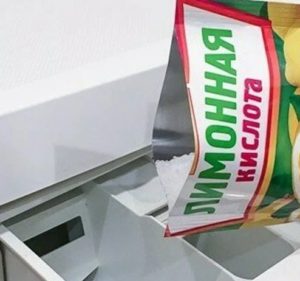
- Take about 100 grams of citric acid and pour it into the detergent drawer. The amount of citric acid to add should be determined based on the maximum drum capacity. For example, for a machine with a 4 kg drum, 60 grams of citric acid is sufficient.
Note! You can add lemon juice directly into the washing machine drum.
- Now we select the washing mode, which includes both rinsing and spinning. With a small
 a layer of scale will be sufficient for a water temperature of 600If the machine has not been cleaned for a long time, you can select a mode with a water temperature of 90-950WITH.
 - Once the tray and drum are closed, you can safely press the “Start” button.
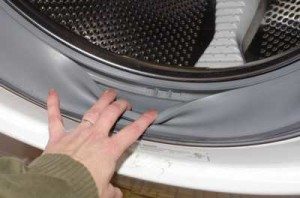
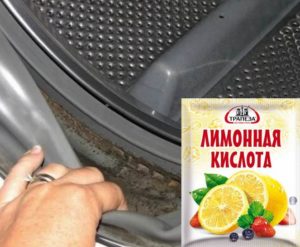
- At the end of the wash cycle, you need to look under the drum rubber and, if there are any pieces of scale left there, remove them and wipe everything with a cloth.
- It is necessary to remove water from the drain and dry the powder tray.
If you see pieces of scale falling off during or after washing, then the citric acid for your washing machine has done its job.
Experts recommend performing this cleaning procedure on your car about 3 times a year. If your water hardness is high, you can clean your machine every 30 washes. If your water hardness is low, cleaning it twice a year will be sufficient.
Why clean a car with lemon juice?
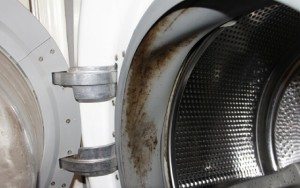
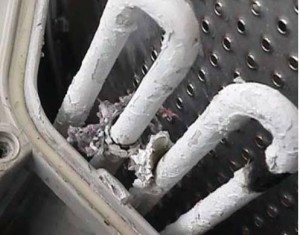 The question of how to clean a washing machine with citric acid is quite clear and simple, but why do it at all? Everyone knows that tap water contains a large amount of salts. When this water is heated, the salts precipitate, and scale forms on the heating element. This process can be observed in electric kettles, washing machines, and dishwashers.
Limescale buildup on the heating element of a washing machine can increase the time it takes to heat water to the desired temperature, which in turn leads to increased energy consumption. In the worst case, the heating element can simply burn out. This is why it's essential to regularly descale your washing machine. One of the most inexpensive solutions available is citric acid.
Lemon juice in hot water reacts with salt deposits, making them more brittle. Simply put, the limescale breaks down and flakes off the machine's components.
Lemon juice for washing machines: good or bad?
There's no doubt that descaling your car with citric acid is effective. It really does dissolve limescale. But does this product harm the car's components?
The answer to this question is quite simple. Citric acid is harmless when used in moderation. However, if you add large amounts of citric acid and clean at the highest water temperature, the results may be disappointing. Rubber and plastic parts may be damaged by the acid. Large chunks of scale may come off along with rubber pieces.
Very important! Don't neglect the amount of citric acid and the cleaning temperature. Citric acid works even in cool water; heating only speeds up the process, so heating the water to 60°C is sufficient.0WITH.
After analyzing reviews and advice from homeowners who care about their washing machines, we concluded that most recommend using citric acid for cleaning. Firstly, it's the cheapest and most readily available cleaning solution. Secondly, citric acid is safe for humans, hypoallergenic, and rinses out easily.
It has been established that scale forms at 750WITH. Rarely does anyone boil things in the machine, and most things can only be washed at 400S. Therefore, don't overdo it with citric acid. The benefits of citric acid lie in its judicious use.
What can I use instead of lemon juice or how should I care for my automatic washing machine?
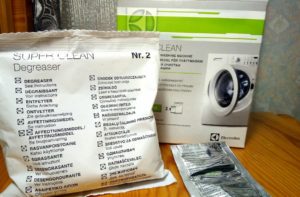
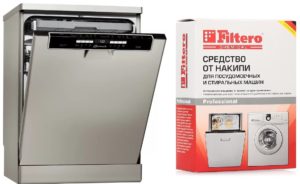
Are there other limescale removers as effective as citric acid? Of course, there are. There are quite a few such products available in stores, most of which can be grouped under the common name "Antinakipin." These products should be used strictly according to the instructions on each package.
Don't be lazy and be sure to read the instructions for your washing machine descaler every time you use it. Using the wrong amount of descaler can cause damage to your machine.
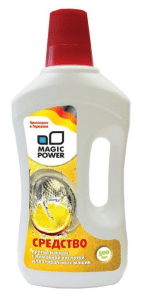 Some people may ask if they can substitute fresh lemon juice for citric acid. The answer is no, as the effect won't be as great due to the low acid concentration in lemon juice. Vinegar should not be used as a substitute for citric acid, as it can negatively affect the machine's components. There are housewives who use Coca-Cola for the same purposes. It is enough to pour three liters of drink into the drum, select the washing mode at 600C and wait for the process to complete.
To avoid having to deal with large scale deposits, you also need to how to properly care for your washing machine and follow the following recommendations.
- To reduce water hardness, you can use special water softeners.
- When washing, use the amount of washing powder indicated on the packaging. Washing powder for automatic machines contains a water softener.
- Avoid washing very old and worn-out items in the machine, as fabric particles may settle on the machine's components.
- You need to wash things at a temperature below 750WITH.
- After washing, dry and wipe the machine parts with a soft cloth.
So, cleaning your washing machine with citric acid is very simple, and you can watch it in detail in the video. Just sprinkle some citric acid on the machine and turn it on, and it will do the rest. Maintain your machine properly, and you won't have to worry about cleaning it.
Interesting:
Readers' comments
Headings
Washing machine repair




For buyers




For users


Dishwasher




Add a comment