
Secrets to cleaning your washing machine drum
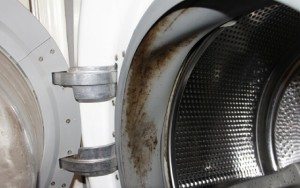 Over the course of prolonged use, a washing machine's drum can become significantly dirty, which in turn affects more than just your laundry. An unpleasant odor can emanate from the drum, caused by mold growing on its walls. People who encounter this problem wonder: how can I clean the drum of my washing machine without damaging the machine itself? We'll discuss this in detail in this article.
The main reasons why dirt gets into your car
Dirt and foreign objects enter the drum and associated parts of a washing machine in various ways, most often through dirty laundry or poor-quality water. The most destructive is scale, which can build up over time on the drum walls. This is a warning sign, as removing scale from the drum is not difficult, but it's important to remember that the same scale will also build up on the inner walls of the drum and the heating element.
Important! Limescale can cause damage to the heating element and moving parts of the washing machine.
The main reason for scale deposits in the machine is water containing metal salts, so-called “hard water”. Special compounds added to the detergent before each wash (such as Calgon or Alfagon) can help soften poor-quality water. However, experts do not recommend using them, as the chemicals they contain have been found to damage some machine components. It's better to use special flow-through filters that improve the composition of the incoming water.
Along with dirty laundry, sand, other solid particles, threads, lint, and even foreign objects from pockets (coin, paper clips, pins, etc.) can end up in the drum and tub of the machine. Grease and dirt deposits can settle on the drum walls, creating a breeding ground for bacteria and mold. To prevent most of this dirt from entering the drum, the tub and filters of the washing machine must be cleaned.
- Before placing items in the washing machine drum, remove everything from their pockets.
- Before washing, shake off large pieces of dirt and debris from items.
- Wash items in a special bag (this protects machine parts, including from threads and lint).
How to clean the drum of an automatic washing machine?
You can clean the drum of your automatic washing machine from scale and dirt manually, or in automatic mode.In any case, we'll need chemicals. There's no need to buy expensive professional cleaning products, which aren't always effective enough. Let's try some folk remedies first. These include:
- citric acid;
- white;
- soda;
- vinegar.
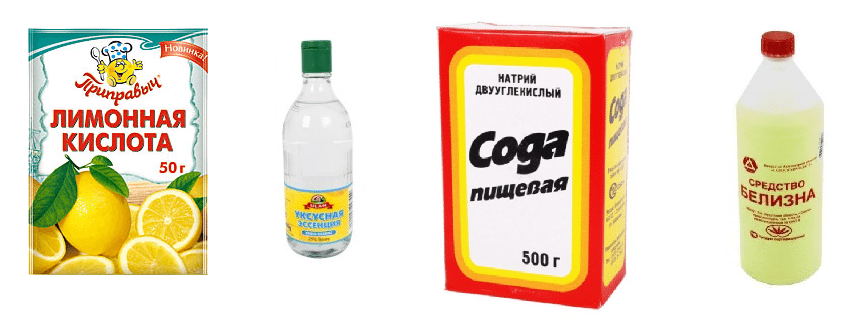 Citric acid is the most well-known and widely used substance in households, used for both cleaning plumbing fixtures and washing machines. Dissolved in water, citric acid removes scale, grease, and mold from the drum and other parts. For one cleaning, you only need 200 grams of dry citric acid powder. The main advantages of this product are:
- low price;
- performs cleaning automatically, without physical effort;
- virtually harmless to machine parts.
One drawback is the low effectiveness of this product if the drum hasn't been cleaned for many years and a thick layer of salts has accumulated on it and other parts. In this case, you'll need to either clean it with citric acid several times in a row or use a different product.
Bleach or other types of chlorine bleach are used to remove limescale and dirt from the machine's drum. A full cleaning requires 250 g of the product. Key benefits:
- low price;
- very effective cleaning of the drum and other parts of the machine from scale and dirt;
- Performs cleaning without any human effort.
A disadvantage of bleach is that it can corrode the rubber parts of the washing machine, including the seal and gaskets, along with the dirt. Therefore, when cleaning, avoid using too much bleach, and it's generally best not to clean more than once a year. Chlorine bleach evaporates harmful substances during cleaning, which can negatively impact human health.
Baking soda will also help clean your washing machine drum, but it will only clean the drum walls; it won't clean the tub or heating element. About 150 g of baking soda is needed to clean the drum walls. Key benefits:
- low price;
- no damage to machine parts;
- effective drum cleaning.
The disadvantages include the fact that using soda requires manual cleaning of the drum walls, and it also takes time for the substance to interact with the dirt.
Concentrated acetic acid is also used to clean the drum and machine parts. Take 50 ml of the solution and dilute it with 150 ml of water. Do not use undiluted vinegar essence. Advantages of this solution:
- low price;
- very effective cleaning of machine parts;
- Performs cleaning without any human effort.
The main drawback: vinegar damages the rubber parts of the machine. It's also quite difficult to rinse out of the tank and drum.
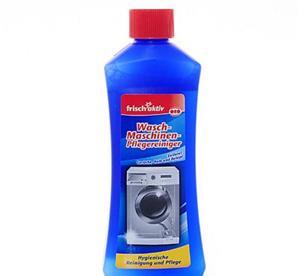
Frisch activ stands out among professional washing machine drum cleaners. Developed by German specialists, it's a highly effective product. It can be used to remove limescale and dirt from washing machine parts even on a weekly basis. Its key advantages include:
- very effectively cleans the drum and other parts of the machine from any dirt;
- does not harm the washing machine;
- leaves behind a pleasant scent;
- is used sparingly.
The downside is the rather high price, around $15 for a 250 ml bottle. This assumes a bottle will last for about 10 cleansings, although the consumer will ultimately decide.
How to clean: detailed instructions
Any of the above-mentioned solutions must be used correctly, otherwise effective and safe cleaning of scale and dirt is out of the question. Bleach, citric acid, and vinegar solution should be poured directly into the washing machine drum, then set the wash cycle (for 1 hour or more) at a temperature of at least 60°C. 0C. After the program is complete, perform a double rinse to remove any residue from the drum and tank of the machine. This procedure will remove all traces of limescale and dirt.
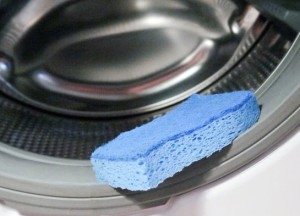
Baking soda should be used differently.
- We pour a small amount of the substance directly onto a cloth and begin to clean the walls of the drum by hand.
- We clean until the dirt starts to come off.
- We stop cleaning the drum and wait about 30 minutes for the substance to interact with the dirt.
- Continue to vigorously rub the drum walls with a cloth until all dirt is removed.
Please note! To enhance the cleaning effect of the drum with baking soda, lightly moisten the drum walls beforehand. Do not over-wet the drum!
Frisch activ washing machine cleaner is used as follows:
- pour ½ cap of the product into the powder tray;
- pour the other half of the cap into the washing machine drum;
- we start an empty wash at a high temperature (it is better to choose the highest possible temperature);
- we pause (so that the old scale can soak in water with the product);
- We restart the rinse mode.
Some washing machine models, typically in the mid- to high-end price range, feature a special automatic drum cleaning program. For example, in Samsung washing machines, this program is called "Eco Drum Clean." To clean these machines, simply activate this mode and wait for the program to run.
It's important to note, however, that this mode doesn't descale the drum, tank walls, or heating element. The automatic cleaning program will only remove greasy deposits and mold from the drum walls, although you can use it alongside a chemical cleaner.
What other parts of the car need to be cleaned?
The drum isn't the only part of the washing machine that needs to be periodically cleaned of scale and dirt. Moreover, the drum walls are a kind of indicator that can roughly indicate the degree of contamination of the machine's internal components. Simply put, if scale deposits are present on the drum walls, then there's also a significant amount of scale inside. What other parts of the washing machine, besides the drum, need to be cleaned?
- Drain filter.
- Hatch cuff.
- The inner surface of the tank.
- Pulley.
- Heating element.
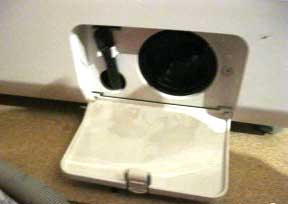 The drain filter needs to be cleaned very often, literally after every wash. This is required by your washing machine's operating instructions, and rightly so. After all, the drain filter is where all the solid debris removed from the laundry but not flushed out with the dirty water through the drain hose accumulates. For more information on how to clean your washing machine's filter, read the article. Cleaning the filter.
The rubber seal on the sunroof also needs to be wiped clean after each wash; excess moisture is a potential breeding ground for mold and germs. If mold has already formed in the seal's recess, apply a small amount of copper sulfate solution to a cloth and thoroughly wipe the affected area. You can also pour a small amount of this solution into the seal's recess and let it sit for a couple of hours, then rinse the seal with warm water and wipe it dry with a cloth.
The inner surface of the tank, the pulley and the heating element can be physically cleaned only having disassembled the washing machineIn some cases, removing dirt and scale can be done with chemicals (as described above), but in the most severe cases, any chemicals other than the most aggressive ones are ineffective. The machine must be disassembled, its parts cleaned manually, and, if necessary, replaced.
To sum it up, we note that Cleaning the drum of an automatic washing machine is a mandatory procedure that must be done at least once a year., and preferably more often. Only then will your car's parts always sparkle clean and exude a pleasant scent. To clean properly, you need to know a few secrets, which we've discussed in this article.
Interesting:



2 reader comments
Add a comment
Headings
Washing machine repair




For buyers




For users


Dishwasher




Hand wash in the river
What's so difficult about cleaning vinegar? Just sprinkle some baking soda (powder) and do a quick wash. The alkali will precipitate the acid.