
Cleaning the filter in a Beko washing machine
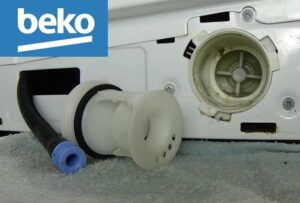 Over time, any washing machine accumulates a lot of debris and foreign objects from clothing, which actively clog the system. This is why the drain filter often becomes clogged with various contaminants, preventing your "home helper" from functioning properly. To prevent this from happening to your machine, we'll explain in detail how to properly clean the filter in a Beko washing machine, how often it should be done, and what else you need to clean to ensure its trouble-free operation for years to come.
We find and clean the main dirt trap
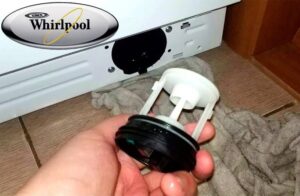
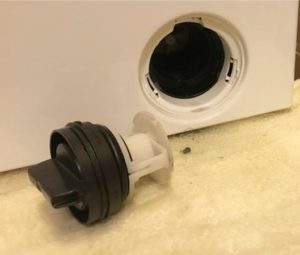
Preventative cleaning of the drain pump filter should be performed at least once a quarter, or even once a month if the owner of the household appliance uses it several times a week or more often. It is very easy to find – it is usually installed at the bottom right of the front panel of the washing machine, hidden behind a technical hatch, which has a rectangular shape. Getting to it is also simple – just pry the hatch with a screwdriver or similar tool, remove it by unhooking the plastic clips, and then find the black dirt trap plug. What to do next with the filter?
- Disconnect the Beko washing machine from the power supply, water supply and sewerage system.
- Raise the machine about 10 centimeters so that its front legs are raised above the floor.
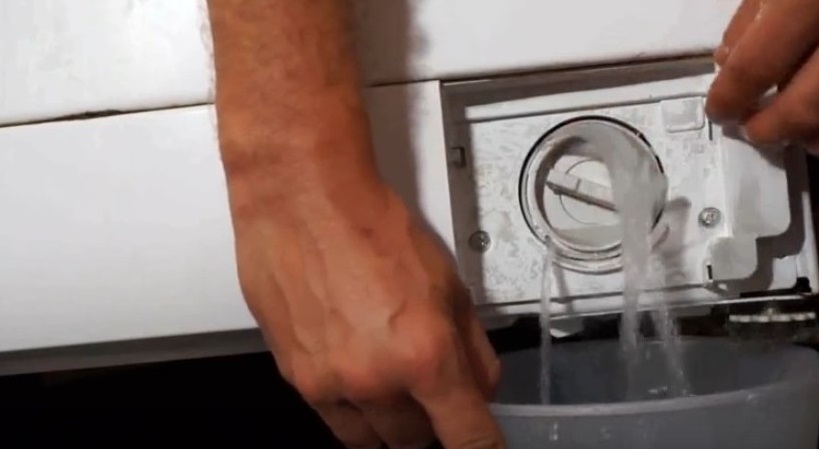
- Place a large container under the waste filter so that all the waste liquid flows into a basin or bucket, and not onto the floor.
- Locate the emergency drain hose, remove it and drain all water from it.
This guide is suitable for a washing machine with a dedicated drain hose. If your washing machine doesn't have one, the procedure will be different. In this case, you'll need to perform the following steps:
- take the tab on the black plug and turn it counterclockwise;
- remove this attachment;
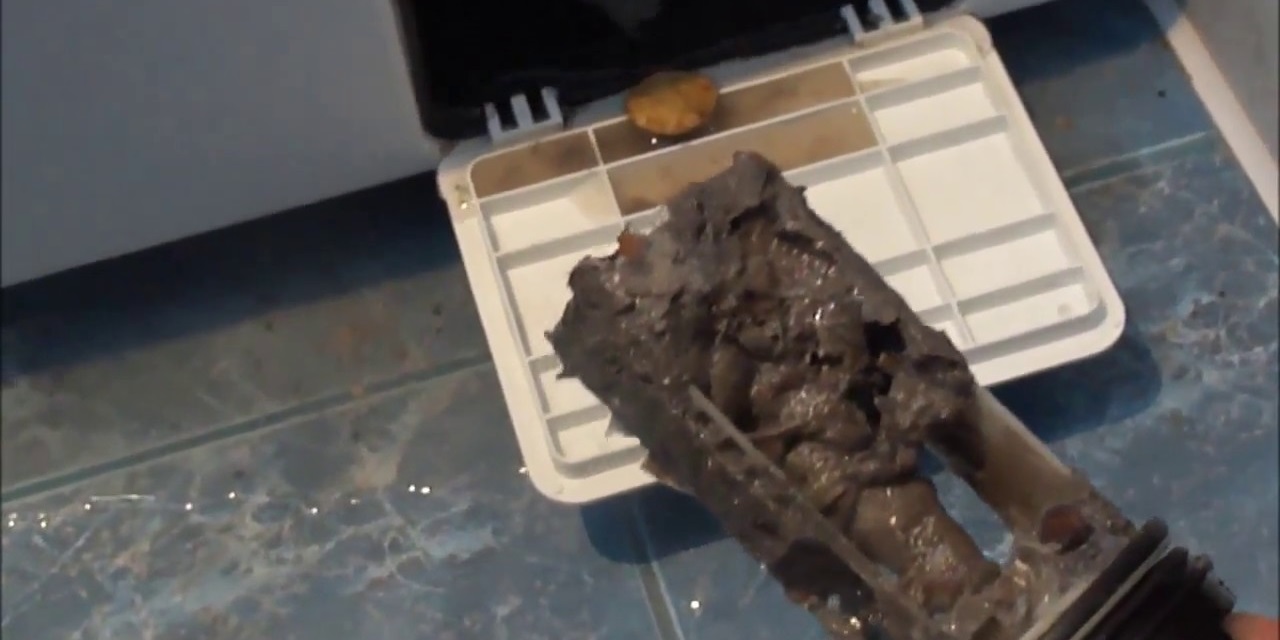
- inspect the hole that has appeared, paying attention to any dirt or foreign objects;
- remove all debris from the drain filter seat;
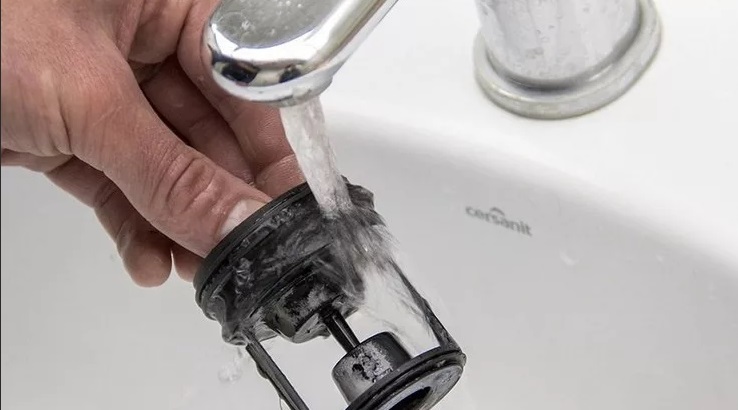
- thoroughly rinse the waste filter itself under the tap to remove any dirt that has accumulated on the part during the operation of the washing machine;
If the dirt cannot be removed, you should use a citric acid solution.
- install a clean dirt trap in its place;
- Be sure to check that the part is securely installed;
- Close the drainage filter with a service hatch.
It's worth noting that, in addition to how often you use your washing machine, the frequency of cleaning the dirt filter is also affected by whether you have pets. If you have a cat or dog, it's best to clean this part as often as possible—at least once a month—to prevent hair from clogging the drain. It's also important to keep in mind that the dirt filter should be cleaned after each cycle in which hair has been washed.
What else needs to be cleaned besides the machine filter?
Even though the washing machine is constantly in contact with clean water and effective detergents, its key components still become actively contaminated. Moreover, detergents can also cause contamination inside the appliance, for example, the hoses, heating element, powder receptacle, drum, and other system components can be damaged. To prevent household chemicals, lint, hair, threads, pet hair, and much more from settling on the internal components, you should regularly carry out a comprehensive cleaning of the washing machine.
The manufacturer recommends thoroughly cleaning the machine several times a year to ensure its performance never deteriorates.
Unfortunately, it's not always possible to clean the entire machine. In this case, it's best to know what exactly needs to be cleaned periodically to ensure your "household helper" continues to wash effectively. Regular cleaning is essential, not just for the drain filter, but also for the door's rubber seal, the pump, the detergent drawer, and the bottom of the drum.
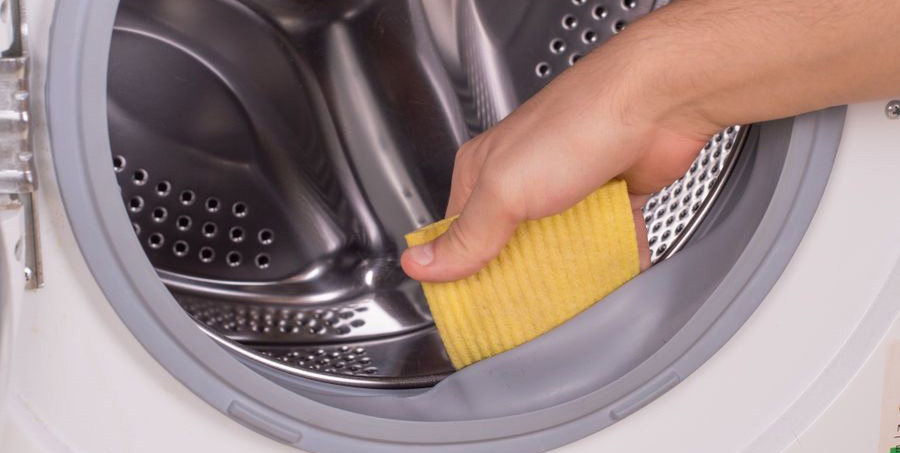
- Rubber seal. Because the cuff is made up of several folds, it regularly traps various contaminants, as well as dirty water and soap solution. Therefore, the rubber seal must be thoroughly wiped after each wash; otherwise, over time, it will become moldy, develop an unpleasant odor, and stain clothes.
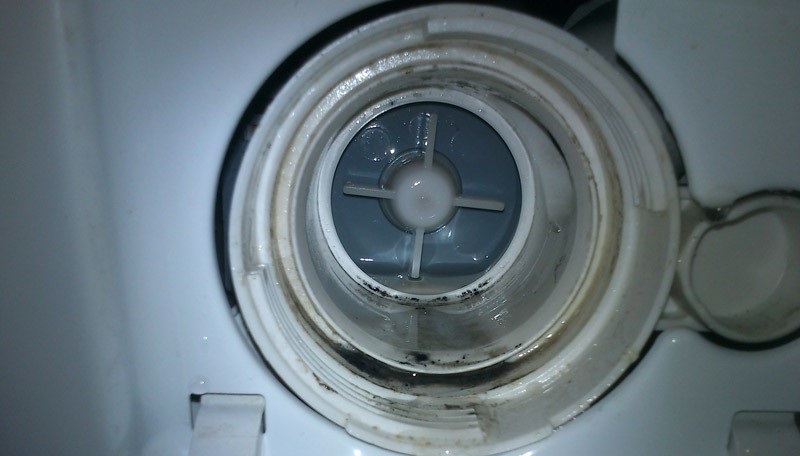
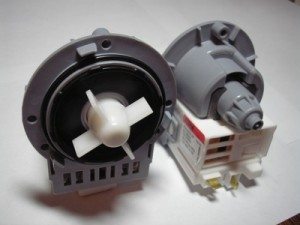
- Pump. It's crucial to clean the pump and its impeller, which often becomes clogged with debris and foreign objects. This can include hair, fur, lint, and other debris that can slow down or even stop the impellers, causing damage to the pump, requiring replacement.
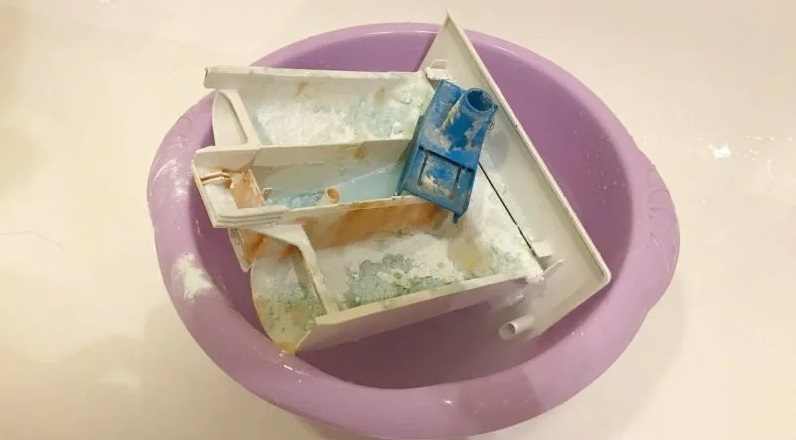
- Household detergent drawer. Often, not all the detergent is washed out in the detergent drawer, but remains on the walls of the drawer, where it dries along with dust and other residue, eventually becoming moldy.
- The bottom of the drum. Last but not least, the bottom of the drum is where dirt from the drum, residual dirty water, and other foreign objects often end up. Cleaning the bottom is often very difficult, but it's essential to ensure consistent wash results.
The list only seems impressive at first glance, but in reality, cleaning these components is not only easy but also quick. Therefore, don't be lazy during a thorough cleaning, as this directly impacts the performance of your Beko "home assistant."
Interesting:
Readers' comments
Headings
Washing machine repair




For buyers




For users


Dishwasher




Add a comment