
How to clean the drain pump filter on an Electrolux washing machine?
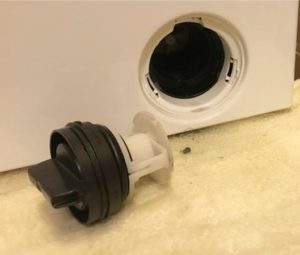 Every homemaker knows that it's essential to periodically clean the washing machine's components to remove limescale, debris, and detergent residue. Regular maintenance will keep the machine running smoothly and prolong its service life. One such component is the debris filter. It collects lint, dirt, hair, threads, and other debris. Let's look at how to clean the drain pump filter on an Electrolux washing machine. Is it possible to do the job yourself, without the help of a professional?
Cleaning instructions
The waste filter on any automatic washing machine is located near the pump. This is always located at the bottom of the machine, on both front-loading and top-loading machines, usually diagonally across from the detergent drawer. In the lower right corner of the machine you can see a special hatch or removable panel, behind which the drain pump filter is hidden. It is very easy to access and clean.
- Find a dry, absorbent cloth. If you can raise the unit slightly, prepare a shallow basin to catch the water that spills out when you unscrew the filter. A container with a capacity of approximately 0.5-1 liter is sufficient.
- Disconnect the washing machine from the power supply.
- Close the shut-off valve.
- Determine the location of the drain filter in your Electrolux washing machine. Open the door or remove the panel that conceals the element. If the latches prevent easy access to the filter, use a thin screwdriver or knife. Be careful not to damage the plastic.
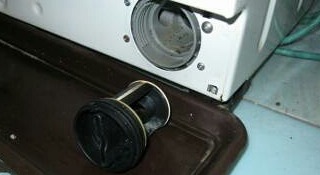
- Place the prepared cloth on the floor under the filter element, or place a basin under the machine. Many washing machine models are equipped with a drain hose designed to remove water from the system. The hose is located there and is capped with a plug. Pull out the hose, open it, and drain the liquid into a container. After the water has drained, close the hose and replace it. A little more liquid will spill out when you unscrew the waste filter, so don't remove the cloth from under the machine.
- Remove the drain filter. Don't pull it out right away; unscrew it a quarter of the way and let the water drain. This will gradually remove the element from the machine. Incidentally, some Electrolux models have a special plug in front of the filter. In this case, first unscrew it, wait until all the water has drained, and only then remove the unit.
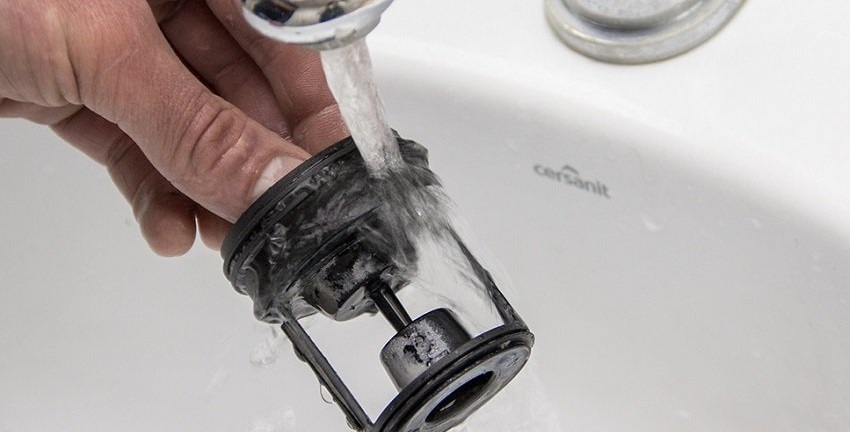
- Clean the removed element. First, remove any large debris, then wipe away any dirt deposits using a regular kitchen sponge with an abrasive coating. Next, rinse the filter element under running warm water (too hot water can deform its surface). Avoid using detergents, as their harsh ingredients can damage the plastic and rubber seal.
- Inspect the hole created by removing the drain filter. Remove any debris from the cavity and wipe any accessible areas with a damp cloth. Shine a flashlight inside the pump. If there's debris wrapped around the impeller, be sure to remove it. Using a long, thin rod, check the impeller's rotation. It should spin freely; if the blades are stuck, there's likely more debris in the pump.
- Replace the cleaned debris filter. Check that the assembly is seated correctly. Carefully tighten the plug. Don't overtighten, as this can easily strip the threads.
After cleaning the filter, be sure to test the operation of the washing machine.
Open the water supply and plug in the washing machine. Select the shortest cycle, such as "Rinse," and start the machine. At this point, it's important to ensure there are no leaks near the debris filter. If there are drips or trickles of water, you'll need to continue cleaning the machine. If the filter cleaning is successful, you can replace the decorative panel or close the door. The washing machine is now ready for use.
"Related" problems
Removing and reinstalling the drain pump filter isn't always a smooth process. Problems most often arise when the washing machine hasn't been cleaned for a long time. We'll explore potential issues and explain how to resolve them.
The first problem is that the filter is stuck in the housing, or has unscrewed but cannot be removed from the washing machine. This indicates that the thread of the element is covered with a thick layer of scale, or a foreign object is stuck across the part, such as a coin, pin, button, cufflink, etc. First, try to unscrew the knot with pliers, but do not overdo it, otherwise you may break the plastic.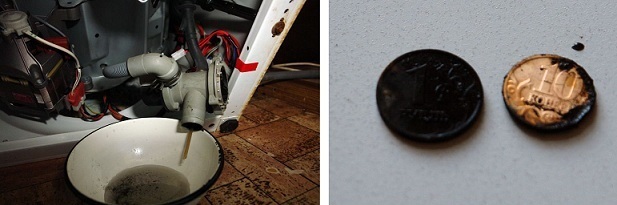
If the tool doesn't work, the only option left is to clean the filter through the drain pump. This requires more work: you'll need to lay the machine on its side, remove the bottom, disconnect the wiring from the pump, disconnect the drain hose, and remove the assembly. Once you have the pump in hand, you can easily clean the filter element and reinstall the components.
The second problem you might encounter is a leak where the dust filter is installed. This can occur immediately, when running a test wash, or after a couple of successful cycles. This can occur due to:
- uneven or loose installation of the part;
- filter thread defect;
- Damage to the rubber seal. The gasket may have cracked or been damaged during improper cleaning.
What should you do in this case? You need to turn off the power to the washing machine again, turn off the water supply valve, and drain the system. Next, unscrew the debris filter and inspect it for damage. If the surface and seal are intact, screw the element back in as evenly as possible.
If a defect is detected, a new part will need to be installed. The debris filter is replaced along with the pump housing. If the rubber seal is damaged, you can try replacing it alone without touching the entire assembly.
Why clean?
The drain pump filter is a crucial component in Electrolux washing machines. It prevents debris and foreign objects from entering the pump from the drum. The filter element prevents the drain pump from becoming clogged with lint, threads, and hair, which are always present on laundry. Furthermore, rhinestones from clothing, buttons, and zipper catches can accidentally end up in the drum. The filter also catches these items. If you don't clean the filter in time, it will become clogged, which will cause the washing machine to malfunction. What could happen?
- Difficulty draining water from the drum. Over time, the washing machine will no longer drain into the drain, requiring repair.
- Debris from the drain filter is getting into the pump, causing it to malfunction. An object may damage the impeller blades. The pump will need to be replaced.
- An unpleasant odor appears from the washing machine. This "aroma" then radiates from the laundry being washed.
To prevent potential problems, it's best to periodically clean the filter. This simple task takes no more than 15 minutes and will help prevent more serious problems with your washing machine.
Cleaning frequency
How often should I clean the drain pump filter? Is it enough to clean it once a year, or is it better to do it weekly?
Washing machine manufacturers recommend cleaning the debris filter every 2-3 months.
If you wash your machine daily, clogs can form more quickly. More debris will accumulate when cleaning woolen items and napped fabrics. Also, if you have a furry pet, you should check the pump once a month. It is advisable to immediately wash the filter element after washing down items, children's toys, blankets, and woolen bedspreads. Problems with your washing machine may indicate that it's time to clean the filter: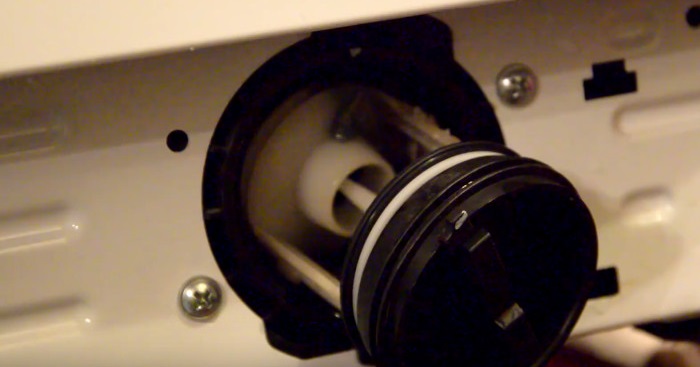
- draining too slowly or not starting at all;
- Poor spinning. This means the drain seems to be working properly, but the clothes aren't getting enough spin. A second spin may work, or it may be ineffective;
- the wash “freezes” somewhere in the middle of the process and does not resume;
- The Rinse and Spin modes do not start.
The Electrolux washing machine manual provides clear instructions for cleaning the drain filter. It specifies the recommended frequency and provides a detailed procedure. Even if the included user manual is misplaced, you can still clean the filter element by following the instructions above.
Interesting:
Readers' comments
Headings
Washing machine repair




For buyers




For users


Dishwasher




Add a comment