
Cleaning the filter in a Whirlpool washing machine
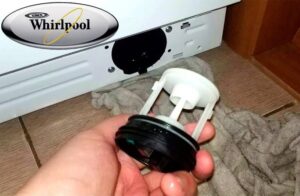 Any household appliance requires maintenance to ensure it functions properly and doesn't fail prematurely. Regular, thorough maintenance is especially necessary for laundry equipment, as otherwise, the user will end up with dirty clothes after each cycle. Cleaning the filter in your Whirlpool washing machine is crucial to avoid clogged drain pumps. We'll explain in detail how to do this yourself, without calling a technician.
Preparing for the cleaning process of the part
First and foremost, you should take care of safety precautions that will help restore your "home assistant" to normal operation without incident. To do this, disconnect the machine from all power sources before starting work. For added convenience, you can move the appliance away from the wall so that nothing interferes with cleaning the filter.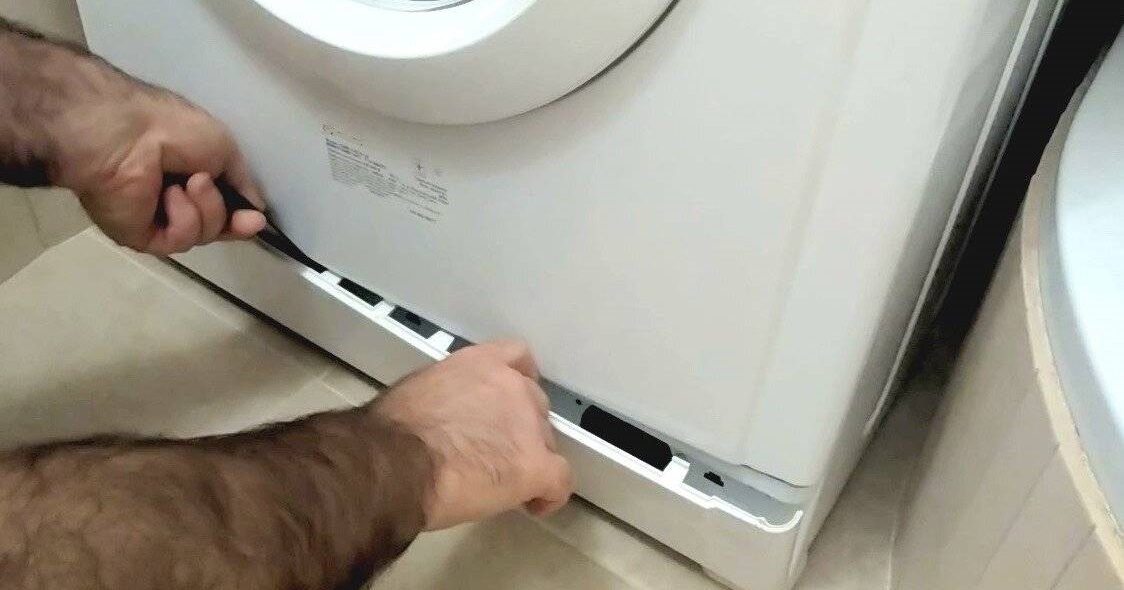
Next, you need to locate the filter itself, hidden behind a decorative panel at the bottom of the washing machine's front panel. To do this, first remove the bottom panel, either by carefully prying it off with your hands or by prying it off with a flat-head screwdriver or other similar tool if for some reason you can't remove it manually.
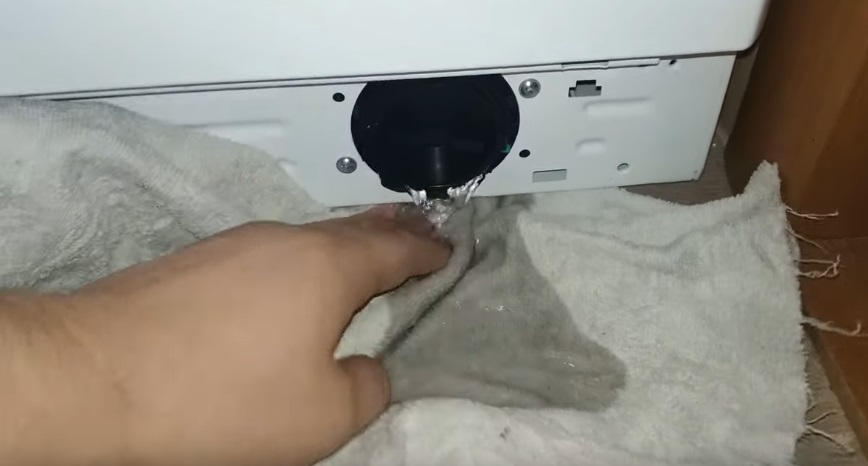
Because there is always some liquid in the system that is pumped out of the tank, you need to carefully open the filter, slowly draining the water into a prepared container.
To protect your flooring, you can place dry rags or towels under the washing machine in advance to prevent waste liquid from spilling onto the floors in the event of an emergency. 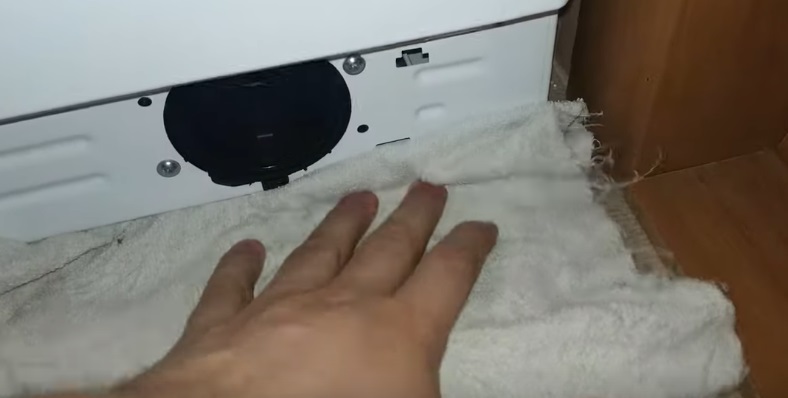
Raise the appliance slightly to drain all the water into a container installed underneath the machine. Some models don't even need to be moved before cleaning the filter, as they have a specially designed trap or hatch that allows you to safely drain all the waste liquid into a pre-installed container.
Removing dirt from the part
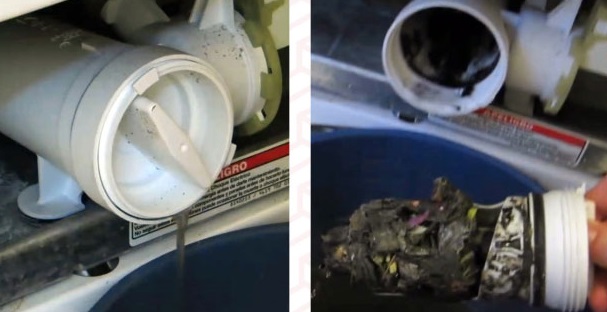
Cleaning a drain pump filter typically involves several steps. The first step is draining the water using a high-quality cloth or a large container, such as a basin or bucket. You need to carefully remove the filter on the Whirlpool washing machine by slowly turning the plug counterclockwise by about 45-60 degrees. After turning, the element can be unscrewed completely and removed. How do I clean the trap further?
- First, remove all large contaminants, such as foreign objects, pieces of fabric, etc.
- Then remove the plaque, which can be done with any sponge with an abrasive layer.
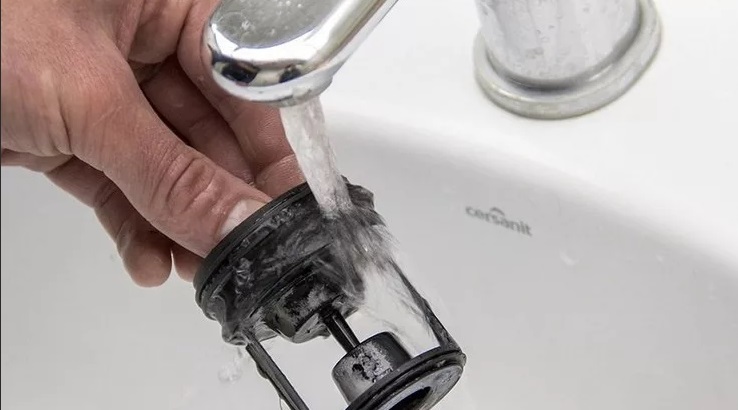
- The final step is to rinse the part with a powerful stream of warm tap water.
Never use boiling water for cleaning, as it can deform the plastic and make the rubber seal less elastic.
It's also important to carefully inspect the drain filter seat, which also often becomes clogged. Remove not only all foreign objects, but also any dirt, film, mold, and other debris. This should be done using a sponge with an abrasive surface coated with soapy water. Immediately after cleaning, carefully reinsert the filter into the slot, tightly closing it with the plug.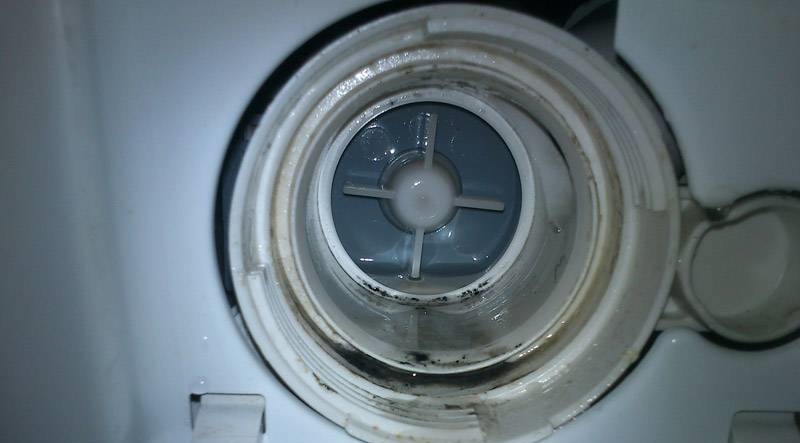
Experts recommend cleaning this unit approximately once a quarter, with a possible monthly interval. If you use your "home helper" very frequently, you should clean the filter every two months, devoting more time to this process. This is especially true for families with several children. If the machine is used infrequently, not even weekly, then cleaning can be done approximately every four months.
If you use the device daily, you should clean the filter monthly.
Whirlpool representatives point out that the frequency of maintenance procedures is also affected by the type of fabric washed in the washing machine. For example, if a user frequently washes wool and flannel, which are typically worn and cleaned in winter, the machine will clog faster due to the fabric substrate. In this case, lint will quickly clog the filter and impede drainage, requiring more frequent cleaning of the dust collector.
Pay even more attention to the drain trap when cleaning pillows, down jackets, and other items made from natural down and feathers. In this case, the element should be cleaned not just once a month, but after each use.
We won't clean the filter for a whole year.
Ignoring the most basic rules for using household appliances will not lead to anything good. Moreover, problems can arise not only due to damage to the Whirlpool washing machine, but also due to the development of chronic diseases in family members. Serious illnesses can develop due to harmful microorganisms forming in the dirt, so it's important not to neglect the drainage filter. What else can happen if you don't clean it regularly?
- Unpleasant odor. The accumulation of dirt and harmful microbes will cause your "home helper" to emit a terrible stench. Worst of all, this odor can transfer to clothes you wash and then wear.
- Mold. The next step after the presence of harmful bacteria is the formation of mold on the internal components of the automatic washing machine. This will make the stench even more unpleasant, poisoning the air in the room where the appliance is installed.
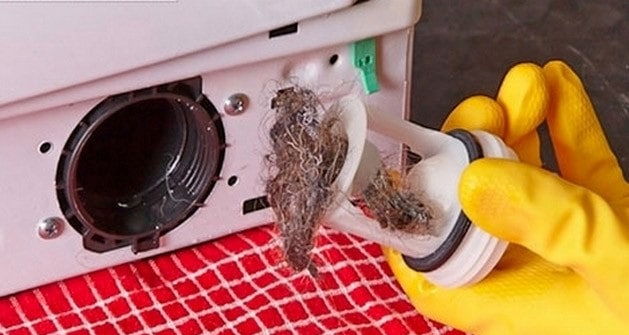
- Drainage obstruction. A serious blockage will prevent the entire drainage system from functioning properly. This will prevent the machine from properly disposing of waste liquid, directly impacting its efficiency.
- Pump damage. Finally, the pump itself may fail, either partially or completely stopping pumping water from the washing machine into the drain. Worse yet, a foreign object may enter the pump through the drain filter, damaging the fragile impeller blades or the element housing.
Any of these points poses a serious risk to both the device and the user. To avoid spending money on replacing a damaged pump, cleaning the room of a stench, or taking medication to combat an acquired illness, it's best to remember to clean it quarterly or even more frequently.
Leak near the filter element
No washing machine user is immune to leaks around the waste filter, a fairly common problem that occurs after cleaning the trap. In this case, the leak may not appear immediately, but after several working cycles, so immediately after completing the preventive procedures, the unit should be checked for leaks. Why might a leak occur in the first place?
- The user may have installed the filter unevenly or not closed it tightly. The drain filter should be installed evenly in the groove to prevent thread shifting. It should be secured securely but carefully to avoid stripping the threads of the plastic part, which can be easily done by applying firm pressure to the cover. If the problem lies with the filter installation, it's very easy to fix—simply remove the element and install it correctly, ensuring it's not crooked.
- The rubber seal has failed. The filter fits so tightly into the groove due to a high-quality rubber gasket, which can crack over time. It can also become deformed simply due to careless user actions, such as forcibly removing the filter or using brute force or sharp objects during cleaning. In this case, the only way to fix the problem is to purchase a new rubber seal.
If you can't find a replacement rubber seal, you'll have to replace the entire drainage element, so be prepared for this.
- The threads or the filter itself were damaged. Finally, if the owner of an automatic washing machine was careless when removing or inserting the trap into the groove, the threads or the assembly could be damaged. This situation also requires replacing the drain filter, either alone or together with the snail. In the latter case, you'll need to call a repair technician to replace it.
That's why extra precautions should be taken during cleaning procedures—they will help keep the equipment intact and thus avoid additional costs.
What to do with a stuck filter plug?
Lastly, let's look at the unpleasant situation when the debris filter cannot be removed for cleaning. Usually this happens due to a long-term lack of preventive measures. If this happens to your appliance, either the handle will not turn, or the filter itself will get stuck in the groove, not yielding to the housewife’s efforts.
If the drain trap can't be removed, it's likely that a foreign object has gotten into it and is blocking the component. The problem could also be caused by scale buildup between the threads and the rubber seal. In either case, it can be fixed.
- Carefully unscrew the blocked catcher using pliers or a similar tool.
- If the filter still won't come out, don't apply more force, as you risk damaging the part. Instead, try remove the pump, and then clean the drainage element through the cleared hole.
- Depending on the model of your “home assistant”, you will first need to dismantle the front or rear panel of the CM case.
- Next, you need to disconnect the wires from the pump. Be sure to take a photo of the wiring so you can reconnect the element correctly during reassembly.
- Next, unfasten all the clamps that connect the snail to the pipe, as well as to the flexible drain pipe.
- Then remove the pump and snail.
- Finally, proceed to cleaning the debris filter using the hole from the pump or drain pipe.
Cleaning this type of appliance by partially disassembling it should be performed by a professional, so if you're unsure of your abilities, it's best to call a service center specialist to avoid further damage.
If you've followed our instructions step by step and still can't remove the drain trap, you've either made a mistake or your Whirlpool washing machine has an unusual feature that's preventing repairs. In this case, don't panic or resort to force – just call a technician for a quick fix.
Interesting:
Readers' comments
Headings
Washing machine repair




For buyers




For users


Dishwasher




Add a comment