
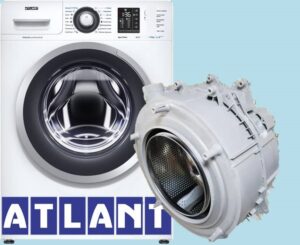
How to clean an Atlant washing machine
 Periodic cleaning of your automatic washing machine is essential. The washing machine is constantly in contact with dirty laundry, detergents, and tap water. Powder and gel residues settle not only in the detergent drawer but also inside the machine. Impurities also remain on the washing machine components. High humidity promotes the growth of mold and mildew.
That's why it's so important to clean your Atlant washing machine. This will ensure it serves you faithfully for years to come. Let's look at how often and in what order to clean it.
We remove dirt from the tank and pipes without disassembling the machine.
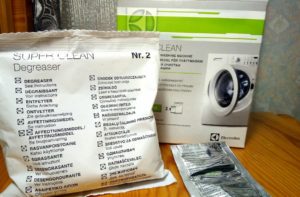
It's not that difficult to clean an automatic washing machine. You can clean the washing machine by running a high-temperature cycle with the addition of a special detergent. There are household chemicals on sale specifically for these purposes.
You can also use any cleaner you have on hand:
- washing powder or gel;
- whiteness;
- table vinegar;
- citric acid;
- baking soda.
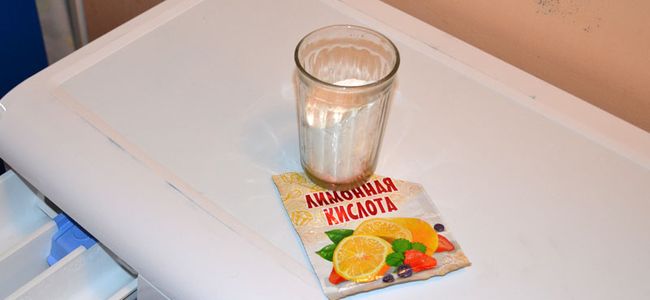
The amount of product required depends on the type of cleaner used. If you're using lemon juice, just pour 100 grams of granules into the detergent drawer. You'll need about the same amount of baking soda. If you're using powder or gel laundry detergent, add the usual amount to the detergent drawer.
Cleaning of the Atlant automatic machine is carried out by running a high-temperature program (75-90°C) lasting from one and a half hours.
There should be no laundry in the machine. After the cleaning cycle, it's best to rinse the machine twice. To do this, run the "Rinse" cycle. This will completely remove any detergent residue and loosened dirt.
The drum is cleaned separately and is washed manually: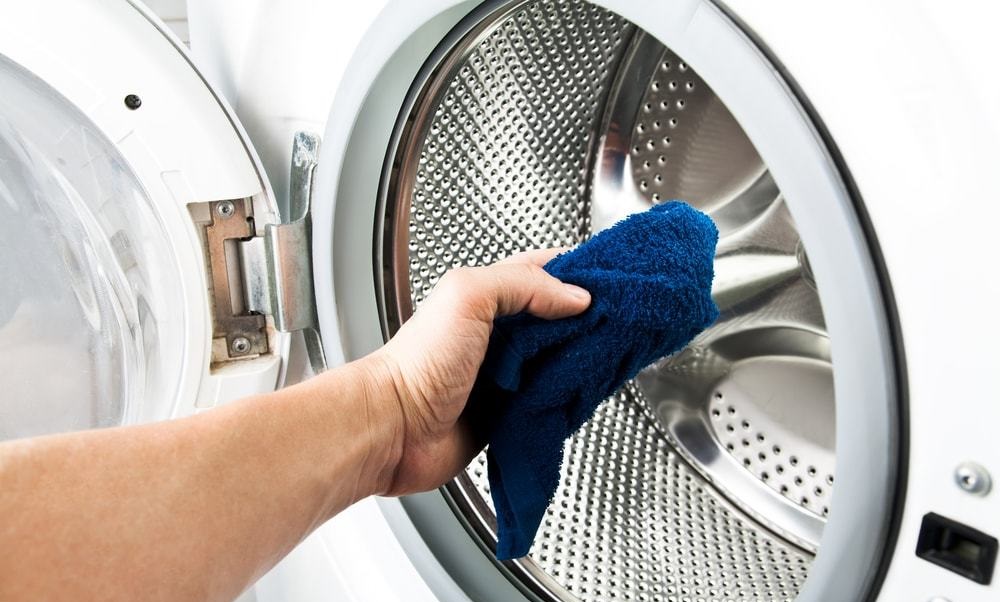
- take a sponge and wet it;
- Use a damp sponge to clean the surface of the drum;
- drop liquid soap or washing gel onto the foam rubber;
- clean the ribs, wash the joints, and go over the walls with a soapy sponge;
- close the hatch door (the soapy container should soak for 30-60 minutes);
- remove the dried foam cap with a dry cloth;
- Rinse the machine using an empty cycle.
It's best to combine drum cleaning with a rinsing of the washing machine's internals. The recommended frequency is once every 2-3 months. Much will depend on how often your Atlant washing machine is used.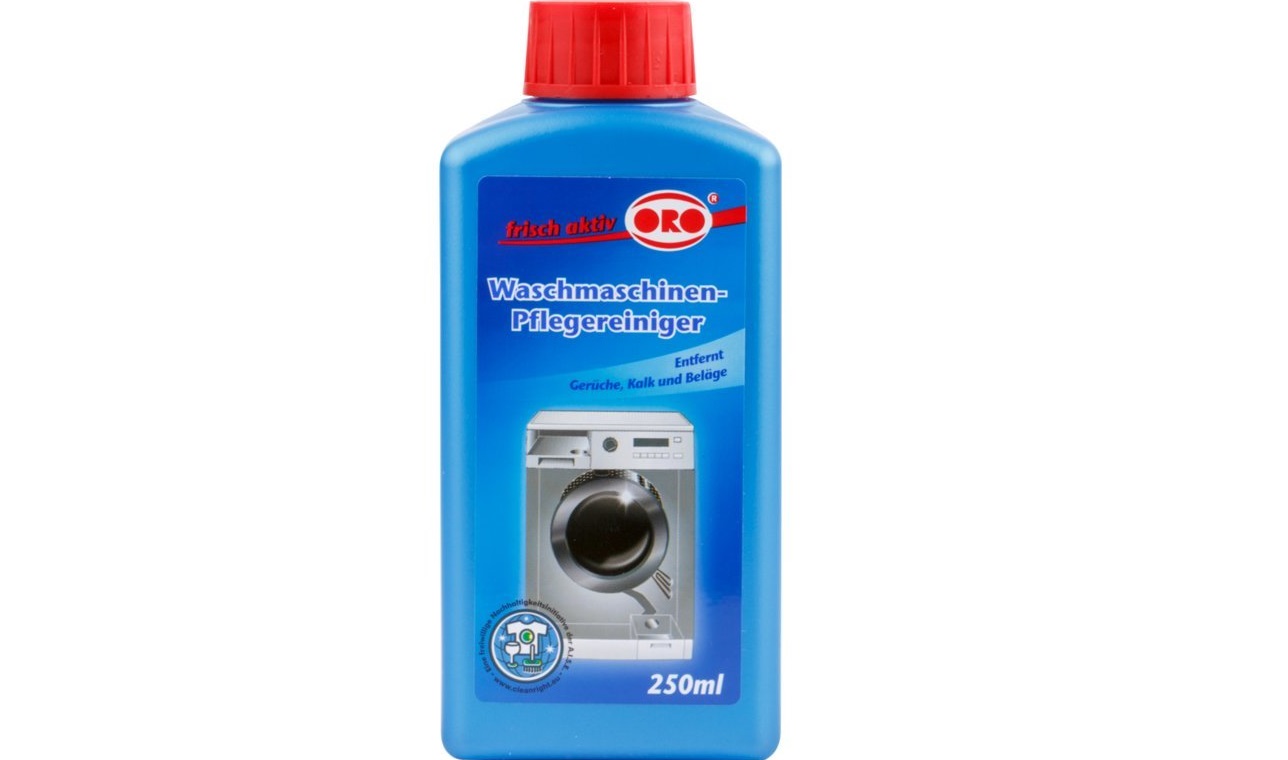
Among professional cleaners, experts recommend "Frisch-Activ." This powerful product is designed for automatic washing machines. This concentrated product removes all types of dirt, eliminates unpleasant odors, combats limescale, and has an antibacterial effect.
Instructions for using the concentrated product "Frisch-Activ":
- pour half a measuring cup of the product into the powder container and the same amount into the drum;
- close the hatch door tightly;
- start the mode that involves heating water to 75°C and above;
- disable the drain stage;
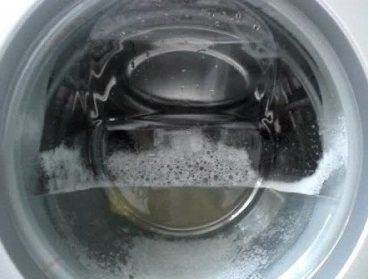
- at the end of the cycle, leave the washing machine with a full tank for half an hour;
- drain the water from the system;
- Activate the Rinse program twice.
Some Atlant washing machines feature a special "Drum Clean" algorithm. When activated, the machine cleans itself automatically, thanks to special program settings. The user only needs to add detergent and start the cycle.
Activating the drum self-cleaning mode is very simple:
- plug the washing machine into the power outlet;
- press the network key;
- wait until the Cotton indicator lights up;
- turn the program selector to the “Drum cleaning” algorithm;
- start the cycle with the "Start" button.
This program has three stages. First, a pre-wash is activated—the machine draws in a large amount of water, heats it, and then sits filled for a certain amount of time, with the drum barely spinning. This allows the dirt inside the machine to soften and soak.
The second stage begins the main wash. The water heats up to 70°C. The drum rotates, but slowly. The third step initiates a double rinse. This is where any remaining detergent and dirt are flushed down the drain.
We remove dirt from the filter element and hose
An important step in a comprehensive washing machine cleaning is cleaning the dust filter and drain hose. These parts are the most likely to become clogged, trapping dust, dirt, and any foreign objects that get into the drum. This prevents water from draining into the drain. If the blockage is severe, the machine stops running and displays an error code.
Cleaning the dust filter doesn't take much time. Accessing the element is easy. Here's how to do it:
- de-energize the washing machine;
- turn off the tap that supplies water to the machine;
- Cover the floor in front of the washing machine with dry rags (water may leak when removing the filter from the machine);
- prepare a low but capacious container;
- remove the service hatch cover from the front of the washing machine (to do this you need to remove the plastic latches);
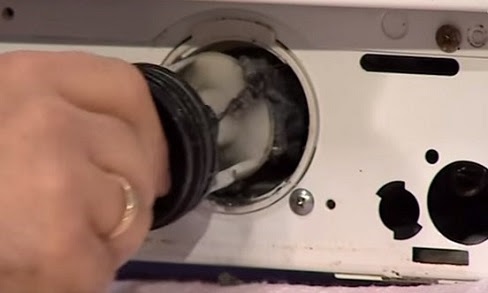
- Place a container under the washing machine, in the area where the waste filter is located;
- Unscrew the plug of the waste filter first by half a turn, wait until the water drains;
- remove the drain filter completely;
- Clean the dustbin itself and its seat.
Shine a flashlight into the resulting hole. If there's any dirt, clean it out. Wipe the walls with a damp cloth, removing any stuck-on debris.
As for the filter itself, rinsing it in warm water is usually sufficient. If there's a buildup on the coil that won't come off, soak the element in a citric acid solution for an hour. Then rinse the dustbin and screw it back in.
Do not unscrew the dust filter immediately after the cycle is complete – this is unsafe and can cause burns.
The next step is cleaning the drain hose. The hose will need to be disconnected from both the machine and the drain. Then, rinse it under running warm water. If there is any deposits on the walls of the hose, soak the hose in a citric acid solution.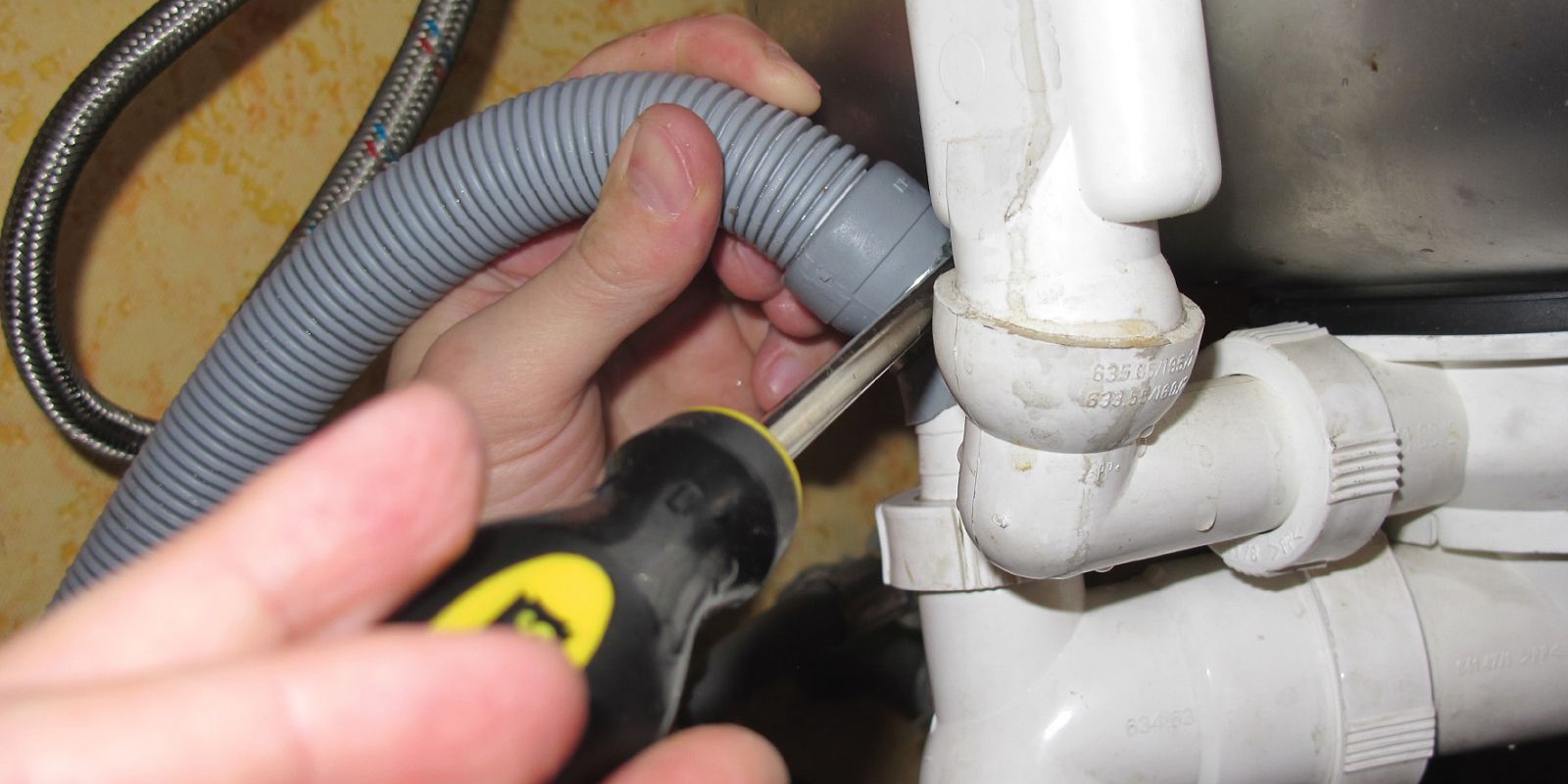
It's recommended to clean the drain pump every six months. This is a bit more complicated. You'll need:
- Place the Atlant washing machine on its left side (the control module is on the right, and any water remaining in the system may get onto the unit and cause a short circuit);
- detach the tray;
- find the pump;
- unscrew the impeller from the pump;
- clean the snail, pump and impeller blades;
- assemble the structure in reverse order.
Atlant washing machines are also equipped with a mesh inlet filter. It's located at the entrance to the machine, immediately after the inlet hose. Impurities in the water clog the element, causing the metal mesh to become coated with scale and rust.
This mesh takes the brunt of the washing machine's impact, so it also needs to be cleaned. Removing the filter is easy: unplug the washing machine, turn off the shutoff valve, and disconnect the inlet hose. Next, remove the nozzle with pliers. Rinse the part in warm water using a toothbrush.
Caring for the powder tray
The detergent drawer also needs to be cleaned periodically. A coating forms on the walls of the powder receptacle, and in severe cases, fungus and mold can form. Why does this happen?
- Detergent particles settle on the walls of the tray and harden.
- Impurities from tap water remain in the powder receptacle.
- Due to the high humidity in the tray, mold and mildew can easily form.
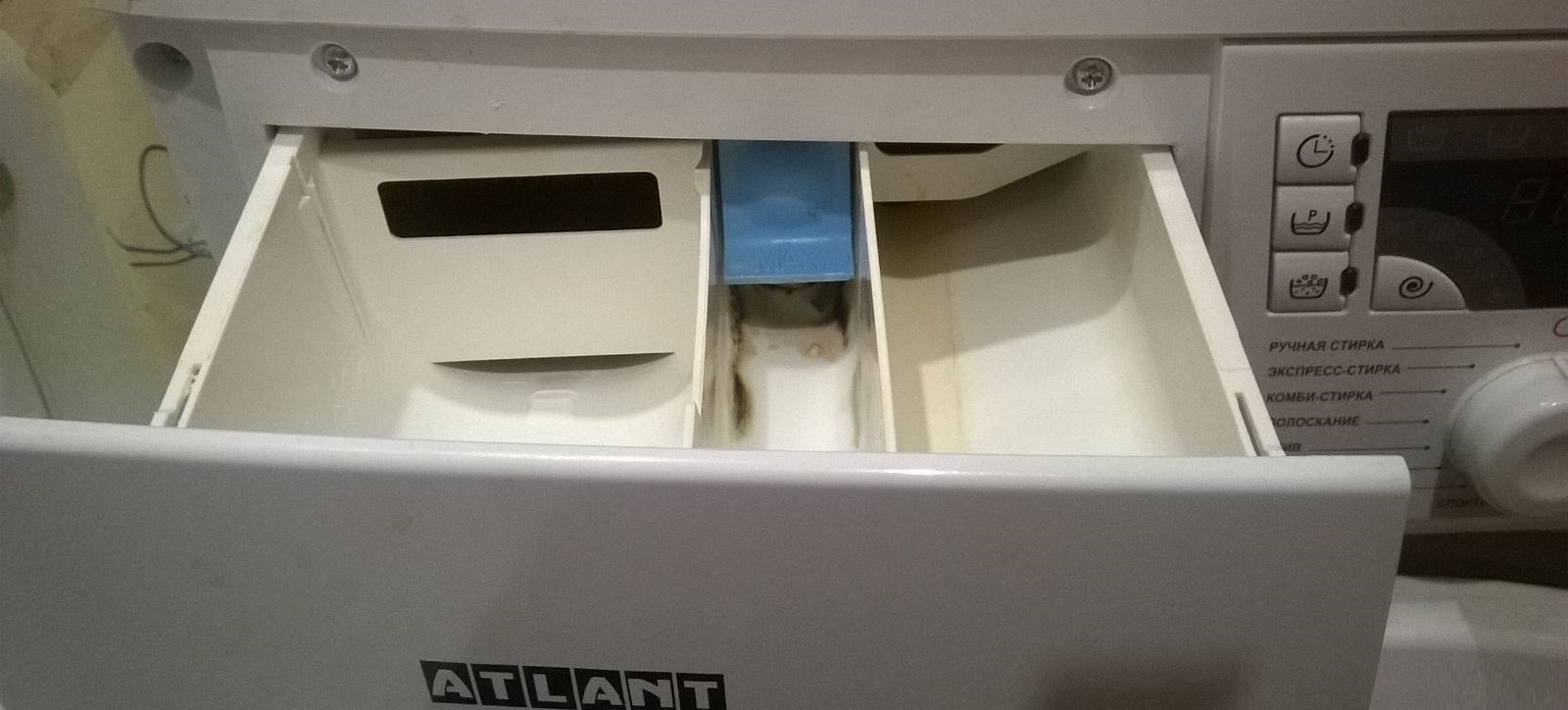
Bacteria and dirt from the drawer end up in the machine, where they end up in your laundry. Clothes absorb unpleasant odors. That's why it's so important to keep an eye on the condition of the detergent drawer.
It is recommended to wash and dry the powder receptacle after each use of the Atlant washing machine.
With regular care, simply rinsing the drawer under running water will suffice. If a thick film has formed on the walls, soak the drawer in a citric acid solution. Afterwards, clean the drawer with a brush.
Sometimes the detergent dispenser becomes so dirty that it becomes stuck to the washing machine body and cannot be removed. This requires a thorough cleaning of the machine using a special cleaning solution. The detergent is poured into both the detergent drawer and the drum, and then a test cycle is run.
Regular cleaning will delay the breakdown of the machine.
If you take proper care of your washing machine, you can extend its service life. Regular cleaning of the washing machine will help prevent problems such as clogged drains, overheating, and short-circuiting of the heating element or drain pump. It is much cheaper for owners to wash their machine than to spend money on purchasing components and repairs.
The washing machine's detergent drawer gets dirty the fastest. The next fastest to get dirty are the debris filter and the entire drainage system. Dirt gets into the pipes and hoses as they carry waste liquid into the sewer. The drum is third, suffering from soapy water and dust. The inlet valve is fourth.
A dirty washing machine not only breaks down more often, but also washes clothes worse.
What other consequences can be expected: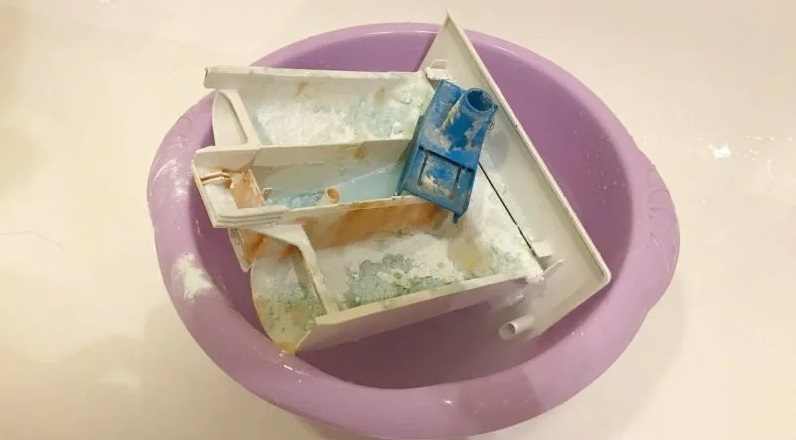
- During washing, fossilized deposits can break off, fall into the drum and damage items;
- mold “living” in the machine will get onto clothes, and then onto the human body;
- Blockages in the pipes and hoses will prevent the washing machine from rinsing clothes properly, leaving detergent in the fabrics.
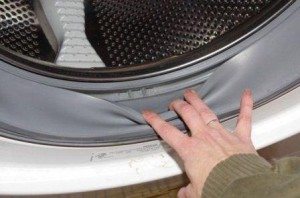
Washing machine maintenance is essential. After each use, wash the detergent drawer, wipe the seal and door glass, and leave the machine open to dry. The dust filter can be cleaned every three months. A full wash with a special detergent should also be performed once every three months.
Interesting:

Readers' comments
Headings
Washing machine repair




For buyers




For users


Dishwasher




Add a comment