
How to clean a washing machine with vinegar and baking soda?
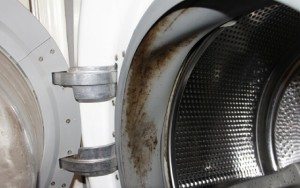
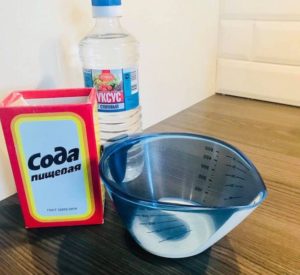 Constant contact between water and detergent doesn't keep your washing machine clean. On the contrary, impurities in the water supply and soap scum from the granules contaminate the parts, causing scale and mold. Manufacturers recommend not allowing dirt to accumulate in the machine but regularly removing it with specialized cleaning products. However, thrifty and experienced homeowners have found a cheaper and equally effective option: cleaning the washing machine with vinegar and baking soda. Now it's time to figure out how to use them correctly for brilliant results.
We use vinegar separately
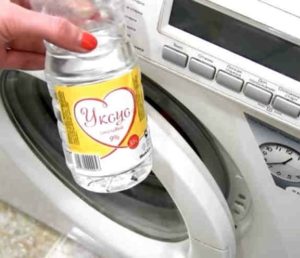
Vinegar is a great alternative to expensive store-bought cleaners. It dissolves limescale deposits, kills bacteria, and eliminates unpleasant odors. It's no wonder acetic acid is used for sanitizing rooms and removing stubborn grease stains.
Vinegar is also often used to clean washing machines. Unlike other home remedies and store-bought ones, it has the following advantages:
- affordable cost;
- disinfectant properties;
- effective removal of mold and scale (deposits are dissolved into tiny particles rather than chipped off in pieces, making it easier to remove the deposits from the machine);
- safety (if used correctly).
There are two disadvantages to vinegar cleaning: the strong acid smell and the risk of damaging the rubber parts of the washing machine. However, both can be overcome by carefully measuring the dosage and thoroughly rinsing the machine after use.
Acetic acid has disinfectant properties, kills bacteria, mold and corrodes scale.
To ensure that the acid helps to safely and effectively deal with scale, it is necessary to follow the instructions strictly.
- Empty the drum – the wash should be “empty”.
- Put on rubber gloves and open the door for ventilation.
- Buy 9-10% vinegar or dilute 70% vinegar to the required concentration (you need to mix the acid and water in a ratio of 1 to 7).
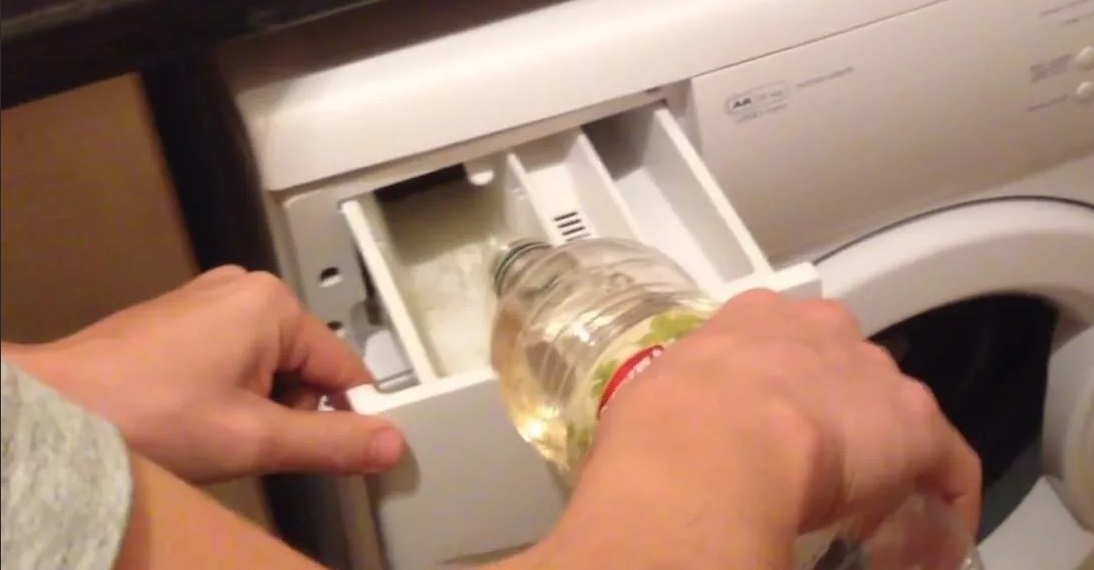
- Pour the vinegar solution into the powder container (the dosage depends on the capacity of the drum, usually 125-250 ml).
- Turn on a high temperature and long cycle (usually Cotton, Baby or Intensive).
- Turn off spin and rinse.
- Start the wash cycle, wait 10-20 minutes until the water in the drum heats up, and then pause (if there is no such function, you need to disconnect the machine from the power supply).
- Leave the machine for 1.5-2 hours.
- After 1.5-2 hours, continue the cycle until complete.
That's not all. Now dilute the vinegar again with water, soak a sponge in the resulting solution, and clean the drum surface and seal. Then close the machine and run it through a rinse or quick wash cycle. Then unscrew the dust filter and rinse it to remove any accumulated dirt. Finally, wipe the body and drum dry with a cloth, open the detergent drawer, and let the washing machine air dry.
We use soda and vinegar without mixing
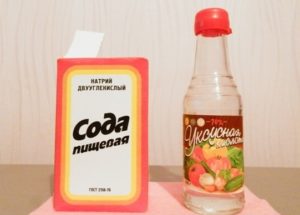
If your washing machine hasn't been descaled for a long time, it's best to use a "combo" - add vinegar and baking soda to the machine at the same time. Sodium bicarbonate will enhance the effect of vinegar essence, accelerating the dissolution of deposits and the destruction of fungus. For the procedure, 500 ml of table acid and 2 heaped teaspoons of baking soda are sufficient.
There's no need to mix the two products: dilute the baking soda with water and add it to the tray, and pour the vinegar directly into the drum. Then close the door and select the longest, highest temperature setting. There's no need to pause the program and wait another 90 minutes—one cycle is enough for a thorough clean.
To finish the cleaning, run the rinse cycle, unscrew the dust filter, and clean it of any debris. Finally, wipe the drum, seal, and door with a dry cloth, leaving the machine open for ventilation.
Soda against mold
If mold has formed in your washing machine, you can remove it with baking soda. Typically, mold accumulates in the door seal, especially if the machine isn't cleaned regularly and remains damp for long periods of time. Therefore, experts recommend wiping the seal dry after each wash and leaving the door open to allow free air circulation. Otherwise, bacteria will grow, requiring a thorough cleaning.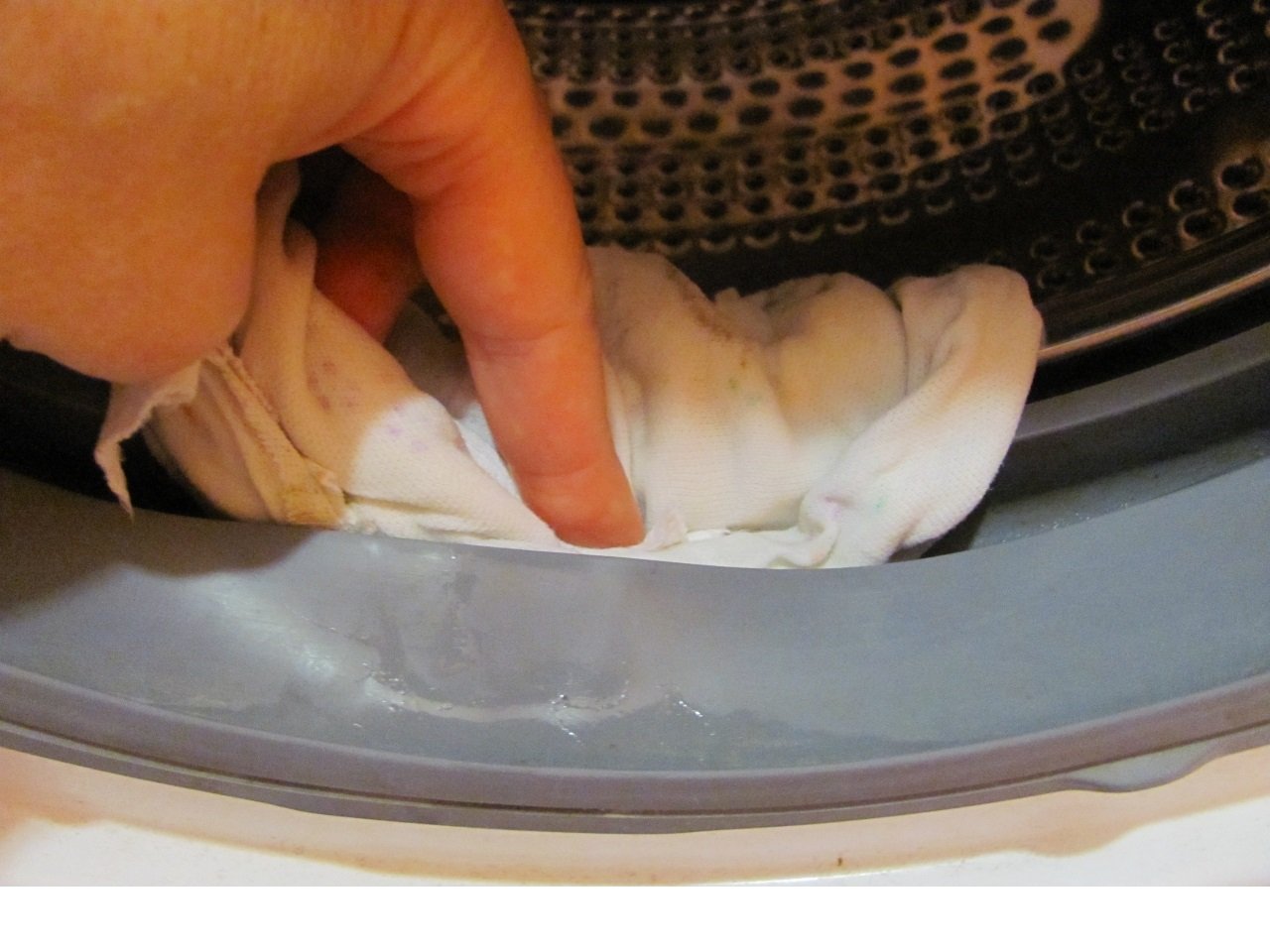
Fighting mold at home is easy. If you don't want to resort to a full-scale cleaning with vinegar, you can tackle the moldy areas locally by treating them with baking soda. Dilute the powder with water in a 1:1 ratio, soak a sponge in the resulting solution, and wash the seal, drum, and housing. Be sure to push back the edges of the rubber seal and get into all the folds and crease areas. For hard-to-reach areas, use a toothbrush.
Do not stretch the hatch cuff too much, as it may tear.
It's important to proceed carefully to avoid damaging the rubber. Also, remember personal safety and wear gloves. Don't forget the final rinse.
Cleaning the powder receptacle
The detergent dispenser also requires regular cleaning. It's recommended to clean it after each wash, as undissolved powder granules and unwashed gel harden and become coated with rust and dirt. This not only spoils the machine's appearance but also threatens to clog the pipes and reduce wash performance. Restoring the dispenser to its original cleanliness will require some effort.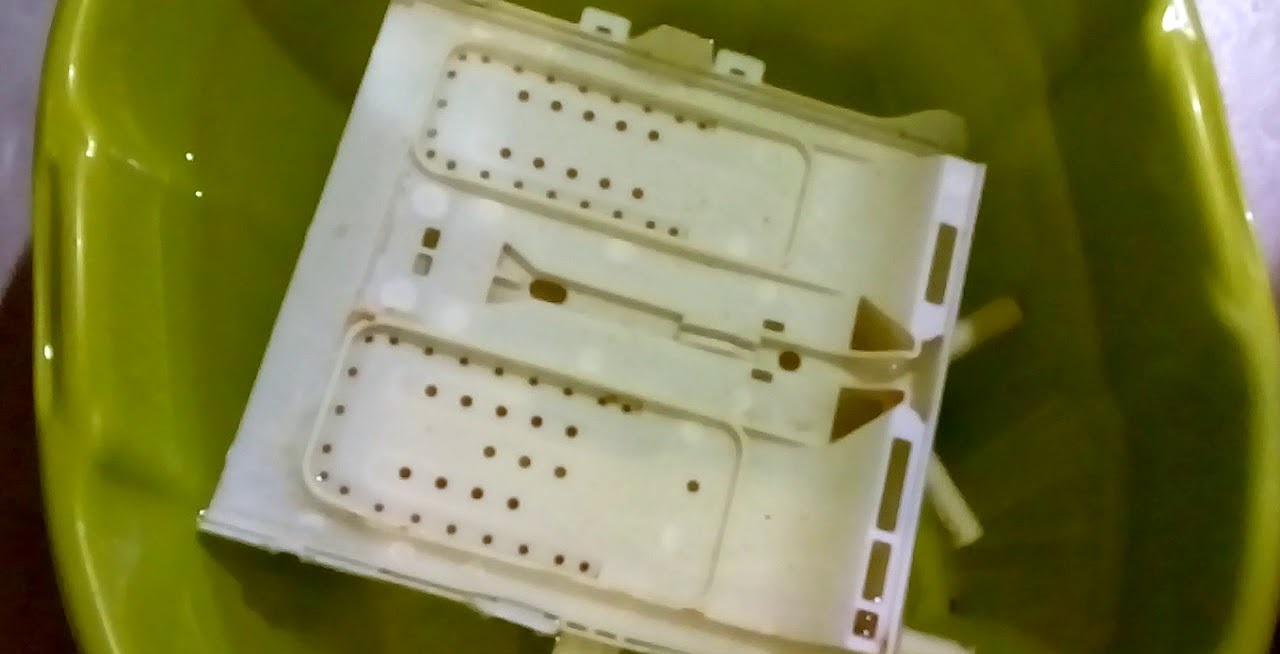
First, remove the tray from the housing. It's best to follow the manufacturer's instructions, as each model may have unique mechanisms and latches. If you don't have the manual at hand, you can search the machine's serial number online—finding an electronic copy won't be difficult. As a last resort, we focus on the brand: the powder dispenser on Bosch, Beko, and Samsung has a special button in the compartment for liquid detergents, while on Indesit and Ariston you just need to pull the drawer towards you.
It is necessary to clean not only the “insides” of the machine, but also the tray, cuff and body.
Further steps depend on the degree of contamination of the tray. Most often, washing the part with soap and warm water is sufficient, sometimes additionally brushing it off with a brush to remove stuck-on powder. If there is a lot of deposits and dirt, soak the bin in a vinegar solution for at least 24 hours. A quicker option is to dissolve the baking soda in vinegar and apply the resulting paste to the walls of the dispenser. Then, wait 2 hours, scrub with a stiff-bristled brush, and rinse under the tap.
Let's wipe the machine body
Having taken care of the machine's "innards," don't forget about its exterior. This includes the top cover of the machine, the dashboard, the hatch glass, and the body walls, which inevitably become dirty and yellow. One damp cloth will not be enough to remove all the residue stuck to the washing machine – stuck particles of powder, house dust and streaks of rinse aid. Especially if the equipment is in the kitchen and gets dirty with grease and soot.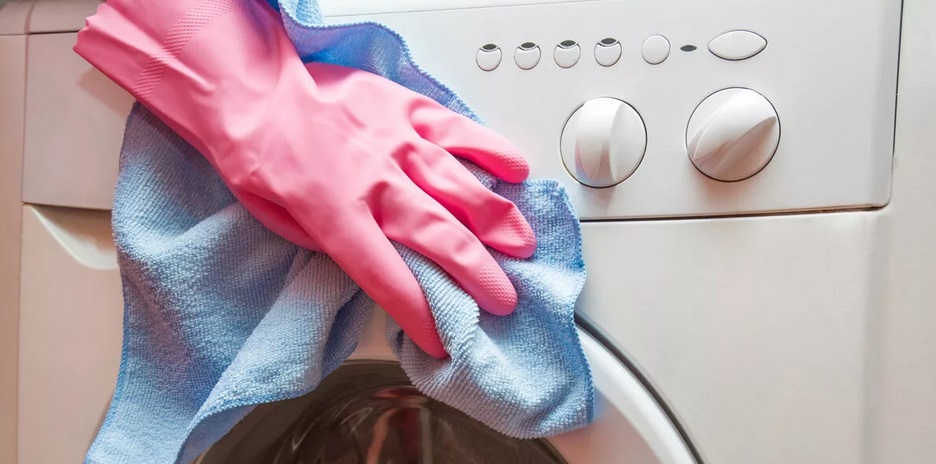
To remove all the stains and restore the case to its original color, simply use vinegar and baking soda again. Dampen a sponge with the diluted solution and thoroughly wipe the affected areas. It's important to wring out the cloth well, leaving it slightly damp to prevent moisture from getting inside the machine and damaging the electronics.
Vinegar and baking soda are the most readily available and inexpensive cleaners for removing limescale and mold from your washing machine. Just measure the dosage and start cleaning.
Interesting:
Readers' comments
Headings
Washing machine repair




For buyers




For users


Dishwasher




Add a comment