
Cleaning the dryer heat exchanger
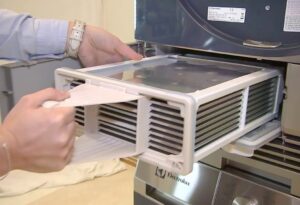 Dryers are very similar to modern washing machines in many ways, but there are also significant differences. Many of these differences can be quite surprising to new users who haven't yet gotten used to their "home helper." For example, owners of dryers often forget to clean the dryer's heat exchanger regularly, resulting in a significant buildup of dust. Let's take a closer look at this dryer feature, which requires regular attention.
We remove dust from this part
On average, your dryer's heat exchanger should be thoroughly cleaned about once a month. The exact number of cleanings depends directly on how actively the household appliance is used. Cleaning is very important, because if there is dust and various debris in the heat exchanger, it will not only prolong the time required to dry clothes, but will also negatively affect the performance of the device.
To clean the machine, first unplug it and wait for it to cool. Next, place a few old towels or large rags under the door to prevent any remaining waste liquid from spilling onto your floors. Then follow our instructions.
- Locate the heat exchanger door, which is located at the bottom of the dryer's front panel.
The door may be located under the loading hatch on the right or left – this depends on the dryer model and the manufacturer’s brand.
- Open the door and be sure to rotate the two levers of the unit towards each other to remove the top cover of the unit.
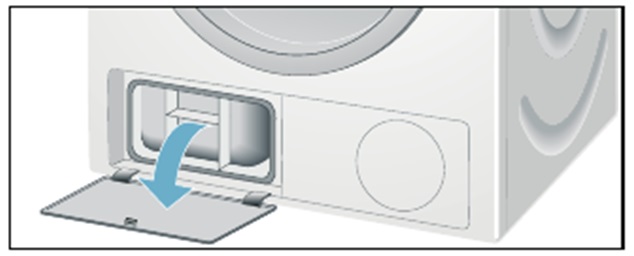
- Carefully remove the heat exchanger itself.
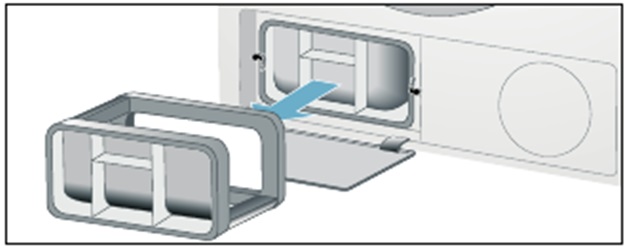
- Rinse the part under a strong stream of warm tap water to remove all debris.
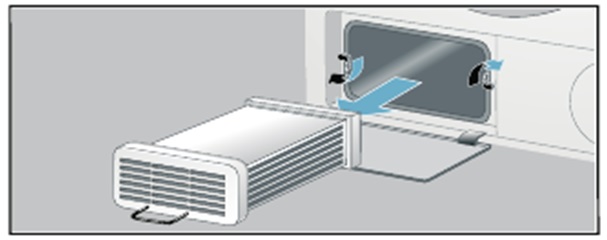
- If necessary, use soft sponges and cloths when cleaning, but never use sharp objects or brushes with an abrasive surface, as they can damage the fragile unit.
- Remove dust and lint from both the heat exchanger itself and the seal.
- There's no need to wait for the part to dry completely; just make sure all the water has drained. After that, the heat exchanger can be reinstalled, remembering to return the protective cover and the two locking levers to their original positions.
As you can see, cleaning is easy to do at home. It doesn't require many steps, and all of them can be completed in less than fifteen minutes. So, don't neglect preventative cleaning at least once a month.
Why does so much dust accumulate?
Cleaning is essential for your "home helper" because lint, dust, and other contaminants often end up in it along with clothes, even if the items have just been washed in the washing machine. When clothes are dried outdoors or indoors, dust gradually comes off the items and becomes airborne, which is especially noticeable in enclosed spaces where people inhale dust and other small particles.
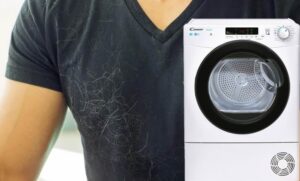
If you dry wet clothes in a modern dryer rather than the traditional clothesline, all the dust and small particles will be trapped in the lint filter. This prevents harmful substances from entering the air, putting the damage to the dryer, not the user. Dust and small particles on clothes are usually so thick that the machine's filter becomes dirty after just a few cycles, and by about the fifth cycle, it needs a thorough cleaning.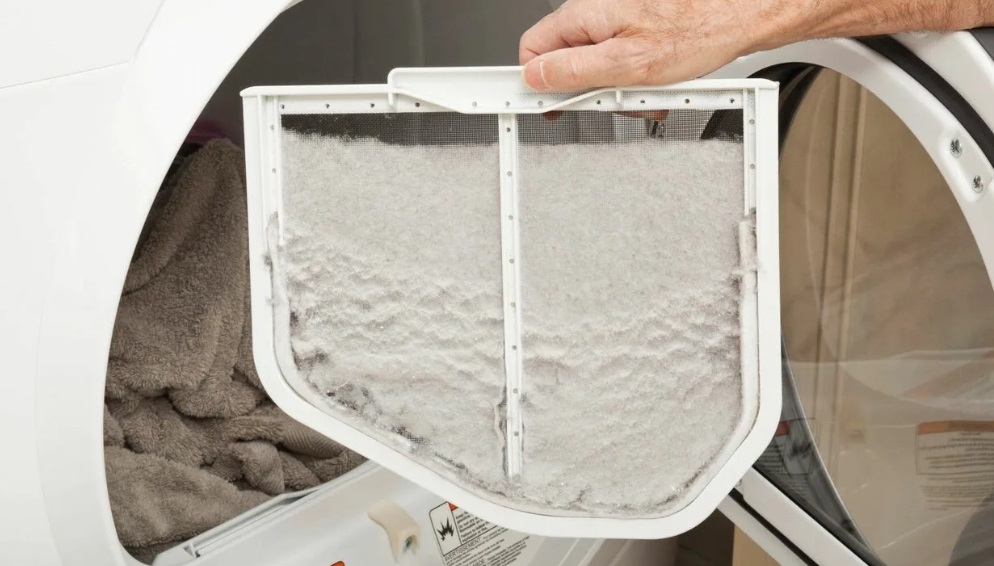
Experts recommend cleaning the lint filter immediately after each use to protect expensive appliances. Therefore, dust in the dryer is a natural process and should not be feared, as it's better for dust to remain in the filter than to enter the air and, subsequently, the lungs of your family members.
Simply try to clean the lint filter as often as possible to ensure your machine lasts for many years. It's very easy to do – the unit can be easily removed, rinsed with water, and cleaned by hand. For convenience, you can combine this process with scheduled cleaning of the heat exchanger and other components that require gentle care.
Condensate tank and humidity sensor
Manufacturers install a special humidity sensor in dryers to measure the moisture level of items during the drying cycle. This component is made of stainless steel, but over time, it can accumulate limescale and residue from household chemicals. This thin layer must be removed promptly, otherwise the deposits will affect the accuracy of the sensor and, consequently, the drying efficiency.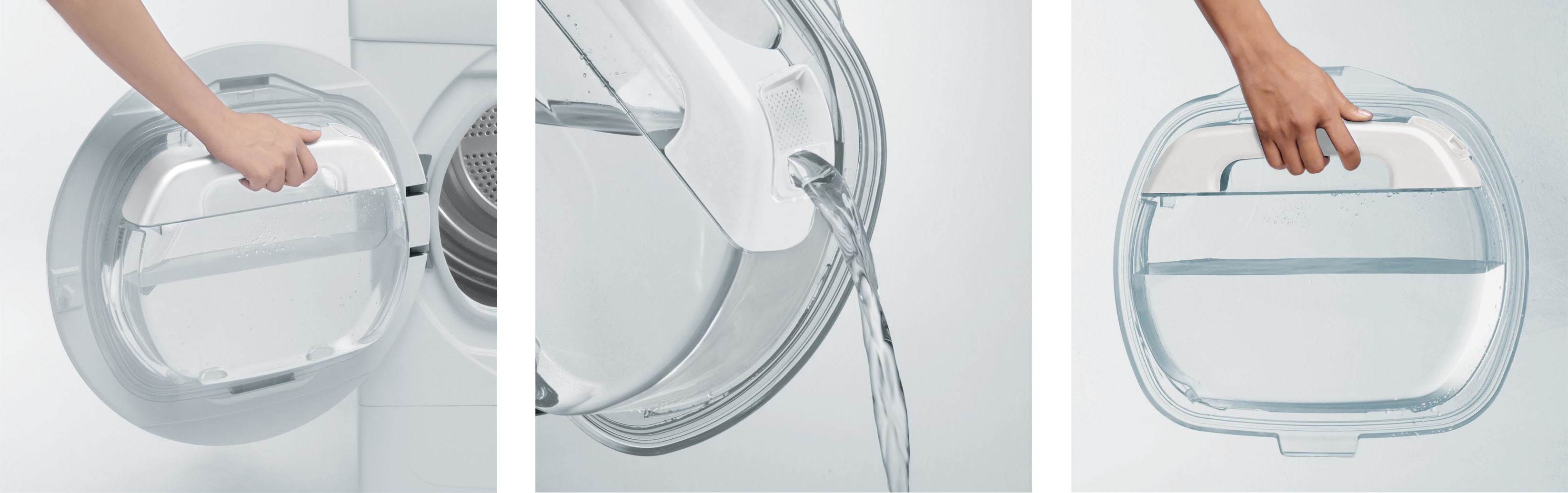
To clean, simply open the door and thoroughly wipe away any dirt from the element with a damp cloth. As with the heat exchanger, do not use abrasive brushes, as they may damage the sensor.
It's also essential to drain all condensate from the condensate container after each cycle. Failure to do so may cause the machine to stop working because the condensate container will overflow. To clean, simply remove the condensate compartment, hold it horizontally, drain all the liquid, and replace the container. Be sure to secure the container securely.
Interesting:



Readers' comments
Headings
Washing machine repair




For buyers




For users


Dishwasher




Add a comment