
What items can be dried in a tumble dryer?
 Contrary to popular belief, tumble dryers are not a complete replacement for natural drying. Therefore, don't throw everything you can get your hands on in them, as this could irreparably ruin some items. Let's take a closer look and determine what can be tumble dried and what is best left to air dry.
Dryer-safe laundry
The first thing that can and should definitely be machine dried is cotton. Synthetic, semi-synthetic, and other blended fabrics also fall into this category. After tumble drying, they become very soft to the touch. Furthermore, the drying mechanism is designed so that the items are smoothed out immediately afterward, eliminating the need for further ironing. Everyday items, bedding, terry robes, towels, blankets, bedspreads, etc. are ideal for machine drying.
Important! If your wardrobe consists entirely of jeans, cotton T-shirts, and tank tops, you can dry literally everything in the dryer.
Some dryers are equipped with additional features for washing non-standard items. For example, a metal basket can hold washed soft toys, textile bags, and even certain types of shoes.
Fabrics that will be damaged in the dryer
So, let's take a closer look at how a dryer works. You place wet items in the drum and start the drying cycle. Once started, the drum begins to rotate, simultaneously filling with hot air. This gradually evaporates the moisture.
The moisture removal mechanism depends on the type of dryer. Some models exhaust moist air through a special hose into the vent. Other machines use a condensation system. This means the water and air are separated, and the dry air continues to circulate inside the drum. When the drying process is complete, all you need to do is remove the dry laundry from the basket, empty the liquid container, and rinse the filter.
For most items, a tumble dryer is truly a wonderful alternative to traditional drying. After all, it only takes a minute to load the drum and start the cycle, rather than spending hours hanging laundry on the balcony, on a line in the bathroom, or on a folding drying rack. But let's return to the main question of this article: can all items withstand such an intensive drying process without harm? Obviously not.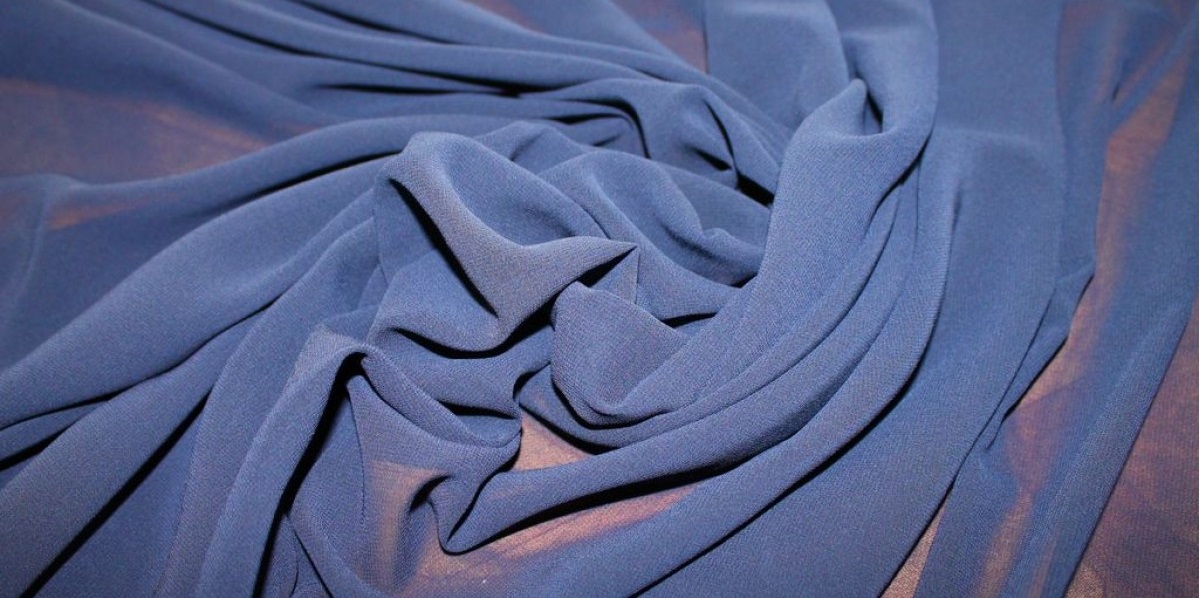
For example, we can't wash some items of clothing in washing machines because the high water temperature is harmful to the fabric. The same applies here. Remember that things are dried using active mechanical action and hot air treatment. This procedure is contraindicated:
- tulle;
- cambric;
- chiffon;
- nylon.
- elastic fabrics that can deform significantly during the drying process.
Caution! Never tumble dry clothing with a lot of decorative elements (embroidered with rhinestones, beads, sequins, metallic embellishments, or appliqués). Printed images may disintegrate and peel off in the heat, and sequins may come loose and stick to other items.
Therefore, many items of women's wardrobe, due to the abundance of decoration and drying in the machine, can become completely unsuitable for further use.
Woolen items should also not be tumble dried. Intense drying can cause them to feel and shrink to microscopic sizes. Other hand-knitted or machine-knitted items can stretch and become completely misshapen when tumble dried. Special attention should be paid to outerwear with numerous fasteners, zippers, buttons, snaps, etc.
Also, modern models of drying machines do not cope well with drying multi-layer items (for example, pillows, blankets, down jackets, etc.), especially if they are very large. It is strictly forbidden to dry clothes that have oil stains or that have recently been treated with any chemical solutions: if heated strongly, this area of the fabric may ignite. Foamed materials also do not tolerate high temperatures.
How to minimize damage from tumble drying?
At first glance, it seems that drying practically nothing in a tumble dryer is impossible. This raises a reasonable question: what's the point of this technology if it's essentially useless? In fact, things aren't so straightforward. Tumble dryers have improved considerably over the years, and they now offer a variety of settings, from gentle air flow to extreme drying settings. With the range of programs available on most models, finding the right one shouldn't be difficult.
Before loading clothes into the dryer, carefully read its specifications and then strictly follow the operating instructions. Clothing care labels can also be helpful. Typically, the manufacturer clearly specifies the washing, drying, and ironing instructions for each item. Most users only pay attention to the washing instructions. However, for now, we're interested in the drying symbol. It looks like a square with a circle inside it (similar to a tumble dryer).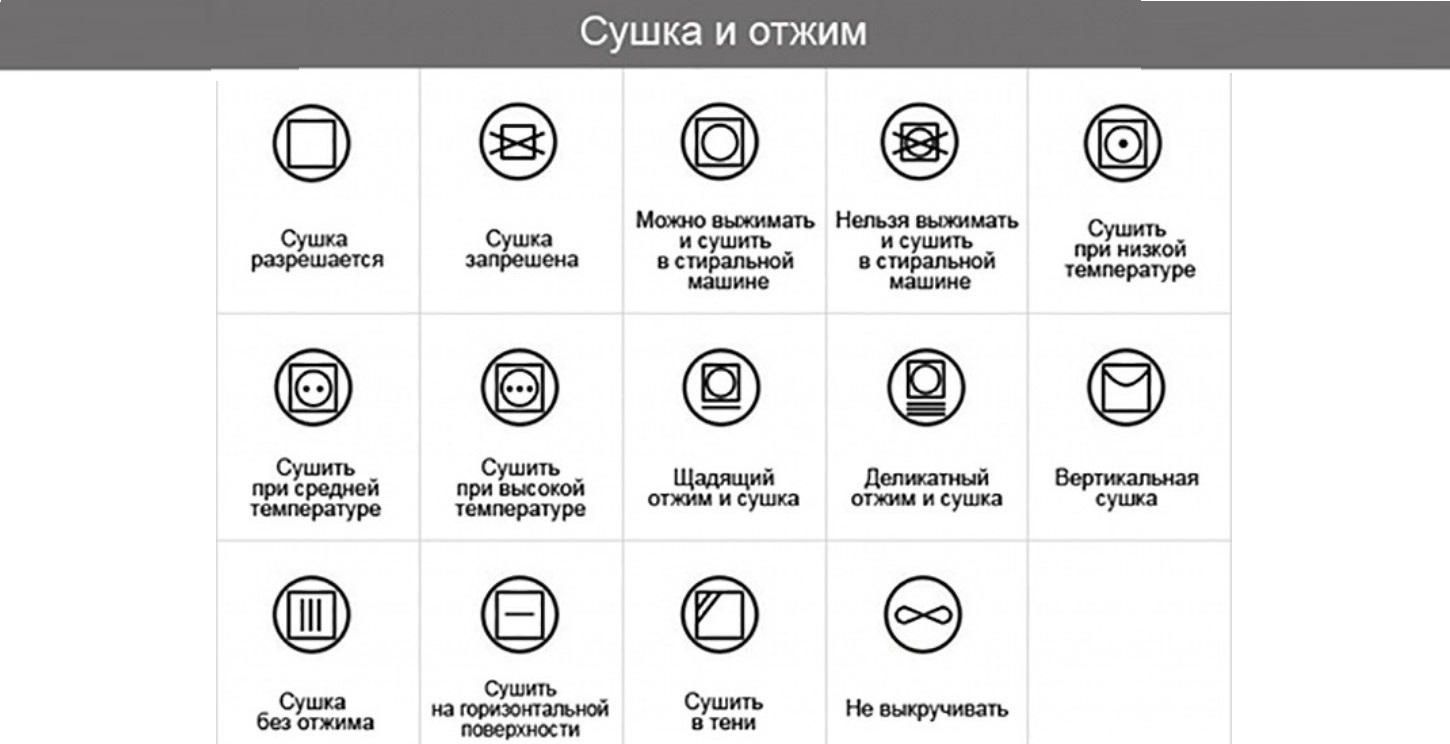
- If this sign is crossed out, drying the product is automatically prohibited.
- If there is one black dot in the center of the circle, then drying at low temperatures is acceptable.
- Two dots in the center of the circle - drying at moderate temperatures is acceptable.
- Three dots in the center of the circle - high temperature is permitted.
- If an additional line is visible at the bottom of the drawing, this indicates the need for a gentle regime.
- The two lines below indicate a gentle spin and drying cycle.
And of course, you should never forget the basic rules for using a tumble dryer. Malfunctions caused by improper use of the unit can cause just as much damage to your belongings as, for example, choosing the wrong mode.
Before placing clothes in the drying basket, turn them inside out, fasten all buttons and zippers, tie belts, and turn out pockets.
If a small metal object gets into the drum along with your clothes, it can cause significant damage not only to your clothes but also to the dryer itself, leading to costly and time-consuming repairs. Be careful!
Interesting:






Readers' comments
Headings
Washing machine repair




For buyers




For users


Dishwasher




Add a comment