
What dishes can't be washed in the dishwasher?
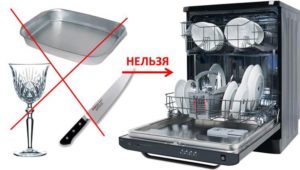 Buying a dishwasher can be a real hassle for those unsure what's dishwasher-safe and what's not. Of course, the best solution is to replace all your dishes with dishwasher-safe ones, and then you'll be fine.
But if that's not possible, some items will still have to be washed by hand. What shouldn't be put in the dishwasher is the subject of the following discussion.
What are dishes exposed to in a dishwasher?
Why can some dishes be washed in the dishwasher without any problems, while others are not even worth trying? The reason is that certain conditions exist inside the dishwasher that affect the materials used to make the dishes. These conditions include:
- high temperature;
- strong chemicals;
- prolonged contact with water;
- forced drying with hot air.
Today, tableware is made from a wide variety of materials, including glass, porcelain, iron, silver, aluminum, nickel silver, plastic, cast iron, crystal, earthenware, ceramics, Teflon, and others. Even porcelain dishes vary and react differently to hot water and detergents. Let's figure out what you shouldn't put in the dishwasher.
Aluminum items do not belong in the dishwasher.
Aluminum cookware is number one in the list of cookware that should never be put in the dishwasher. 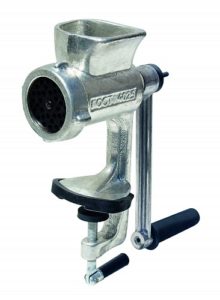 Aluminum is a metal that reacts with many substances, including water, under certain conditions. When exposed to detergent and high temperatures, aluminum products develop a dark gray coating, which smears, leaving marks on your hands.
Due to ignorance, dozens of people have already ruined their dishes in the dishwasher:
- aluminum parts from a meat grinder;
- garlic presses;
- spoons;
- bowls;
- ladles;
- baking sheets;
- frying pans;
- pots.
Please note! It's best to replace aluminum cookware entirely, as it's harmful to the human body. At the very least, use it sparingly.
Some aluminum cookware darkens after just one wash, while others only after several washes. That's why some people wash everything and claim nothing will happen. If you've damaged aluminum cookware, see this article. Why you shouldn't wash aluminum cookware, you will find tips on how to clean it.
Tableware made of wood and plastic
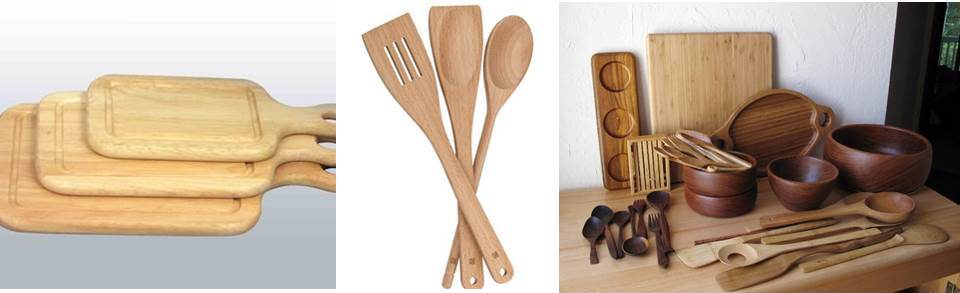
People throw all sorts of wooden objects and dishes into the dishwasher, only to be left scratching their heads wondering what happened to their favorite cutting board, rolling pin, or wooden spoon. But the explanation is simple. Wood tends to swell when exposed to water for a long time; the wood fibers become saturated with moisture and increase in size, and the wooden product itself increases in size accordingly. When a wooden object dries, the fibers shrink sharply and the strong bond between them is broken.
What's the end result? Eventually, the wooden item becomes deformed, develops unsightly cracks, loses its appearance, and begins to beg for the trash. Wooden utensils can become saturated with moisture after just 30-40 minutes in cold water, and the time is significantly reduced in hot water. Dishwasher cycles can last up to 210 minutes, so what do you think will happen to a wooden item that's been soaked in hot, chemical-laden water for over three hours? That's right, it will become completely unusable once it dries out.
In a dishwasher, people usually try to wash various wooden items, and it is not necessarily dishes, but in most cases it is, for example:
- rolling pins;
- cutting boards;
- pestles;
- pancake spatulas;
- wooden toys;
- spoons;
- bowls and other things.
Plastic utensils are dishwasher safe only under certain conditions. This applies particularly if the dishes are made of heat-resistant plastic and are marked as dishwasher-safe. Otherwise, plastic dishes and other plastic items should not be placed in the dishwasher. Specifically:
- disposable plastic cups, plates, forks, spoons;
- plastic plates without any markings;
- plastic toys with a strong chemical smell;
- plastic items with glued elements.
What else shouldn't you put in the dishwasher?
Restrictions on automatic washing apply to more than just aluminum, plastic, and wood items. What dishes and other items should not be placed in a dishwasher, especially if the machine has limited wash cycles?
- Fine porcelain items. Generally, it's not a good idea to machine wash any other porcelain, but fine porcelain items are especially recommended. Hot water can cause porcelain to crack fairly quickly, and if you also turn on the turbo dryer, it will definitely be ruined.
- Cast iron cookware. After the first wash, cast iron may be fine, especially if it's large. But after the second or third wash, you'll see why you should have washed it by hand. Cast iron cookware will corrode and lose its appearance.
- Crystal glassware and souvenirs. Crystal also doesn't do well in the dishwasher. Not only can it get micro-scratches during washing, but it can also crack due to temperature changes.
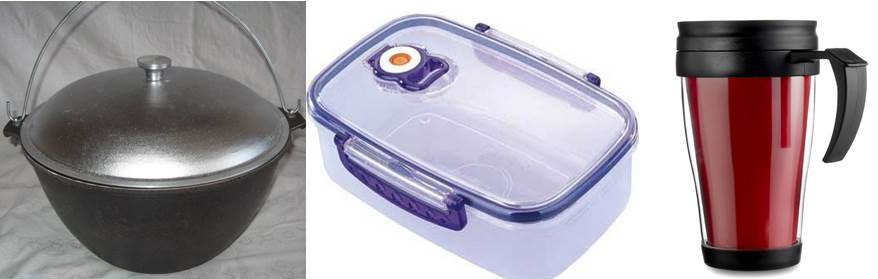
- Vacuum-sealed dishes. Plastic containers, mugs, and saucepans with lids that can suck out air, creating a vacuum, should also not be placed in the dishwasher. This is because automatic washing can cause some deformation of plastic containers, which may not be noticeable to the naked eye, but it can lead to the vacuum-sealed dishes losing their seal and allowing air to enter.
- Sharp kitchen knives. As a general rule, to keep a knife sharp for a long time, rinse it very quickly under cool running water. If you keep it in hot water for 5-7 minutes, the sharpening will become noticeably worse, and if you constantly wash it in hot water, you will have to sharpen it once every 2 days. It is clear that in a dishwasher, where dishes are rinsed for a long time in hot water, a sharp knife has no place.
Please note! Aside from knives, it's best not to wash any sharp objects in the dishwasher—they'll dull them!
- Copper items. Copper does not tolerate prolonged contact with hot water and detergent well. Such harsh environments can cause the copper item to darken and lose its appearance.
- Thermoses and flasks. If the manufacturer of your thermos or flask specifically states that it's dishwasher safe, you can safely wash it. Otherwise, wash your thermos or flask by hand.
In this article, we've attempted to answer the question of which dishes should not be washed in the dishwasher. Of course, the actual list of "prohibited" items is much longer, but the main thing is to understand the principle and avoid making potentially fatal mistakes in the future. Thank you for your attention!
Interesting:



3 reader comments
Add a comment
Headings
Washing machine repair




For buyers




For users


Dishwasher




So, patterned cups and plates can't be washed. What's the point of a washing machine then?
For example, you can't use iron from an electric meat grinder; everything else is nonsense.
Modern dishwashers have a "Glass" setting specifically for washing wine glasses and other delicate dishes.
I've been using a dishwasher for decades and always wash my knives in it. The manufacturer, by the way, doesn't prohibit it either.
I wash my butcher knives at the highest temperature. For disinfection. I've never had any issues sharpening them. What kind of knife is it that gets dull at 70 degrees? What metal is it made of? Neither steel nor ceramic reacts to those temperatures.
The pictures on the Gus-Khrustalny glasses have faded over the years. So what? But the porcelain looks brand new. And the gold rim is almost unchanged, even on the Chinese kitchen set I bought over 20 years ago. Maybe 30. I don't remember. But after that time, even hand-washing would have left some imperfections in the gilding.
But aluminum is definitely not dishwasher safe! My husband once stuck a part of an electric meat grinder in there, and I had to resuscitate it.
And plastic dishes are washed there perfectly!
And how much free time! Saving water and electricity! And our hands? Girls, love yourselves!
Buy PM. They come in all sizes now.