
What does direct drive mean in a washing machine?
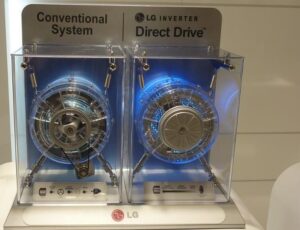
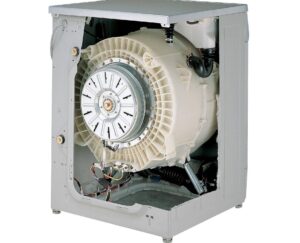 Direct-drive inverter motors are a technology actively promoted by advertisers. LG released the first example. This system is said to eliminate wear on moving parts, improving the product's performance and allowing owners to save money. Manufacturers emphasize these household appliances over belt-driven models. But even the highest-quality and most advanced models have their drawbacks. Let's explore what direct drive is in a washing machine and what its real advantages and disadvantages are.
What kind of innovation is this?
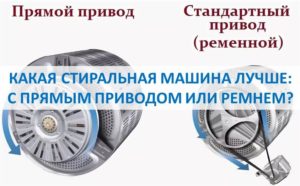
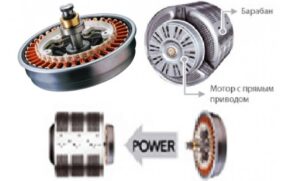
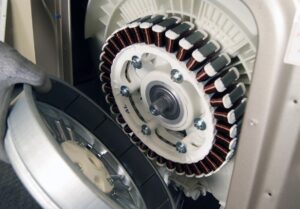
This type of drive operates using rotary or linear electromagnetic energy. The rotor is loaded in these designs via an air gap. This is believed to eliminate wear on the moving parts.
The drive itself is a design element of every model. Machines with direct drive are widely produced by Whirlpool, Sears, and other well-known laundry appliance manufacturers.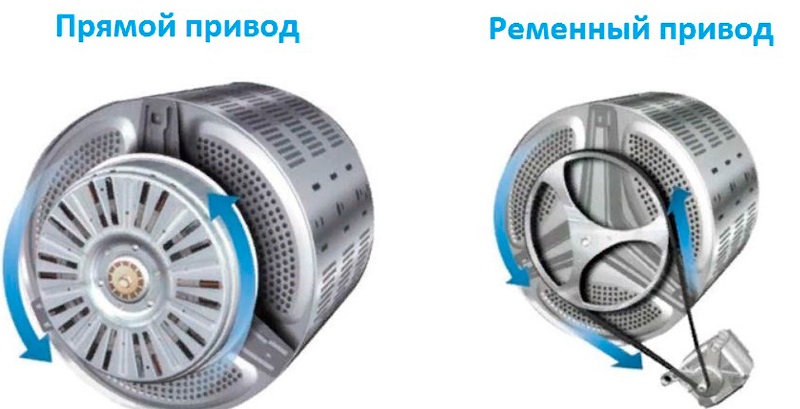
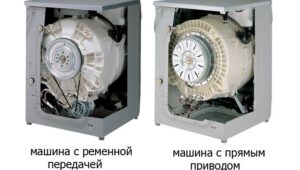
Standard models use a belt to rotate the drum. It is secured to a belt, which in turn transmits torque from the shaft. The main disadvantages are:
- a belt that is subject to systematic replacement due to wear;
- high level of noise and vibration during operation.
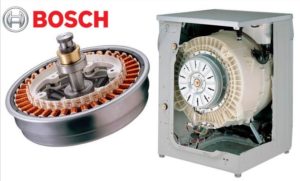
With the introduction of models with a new motor type, the need for the motor to contain contacting elements was eliminated. There are no brushes or belts. This explains the manufacturers' high level of reliability.
The main advantages of direct drive
The technology has generated mixed reviews from consumers and service professionals. For some buyers, the presence of an inverter motor is a compelling selling point, while others prefer more trusted models. Opinions are divided, but there are some common positive aspects that contribute to the model's advantages:
- High performance characteristics. A long service life is ensured by the absence of contacting parts—brushes. Inverter-type motors, unlike asynchronous and commutator motors, do not have these.
The manufacturer provides a 10-year warranty on the motor.
- Low noise level. While these models are noisy, they are significantly quieter, especially if installed properly.
- Wash quality. The brushless motor features fully electronic control. Its capabilities and additional features take the process to a higher level.
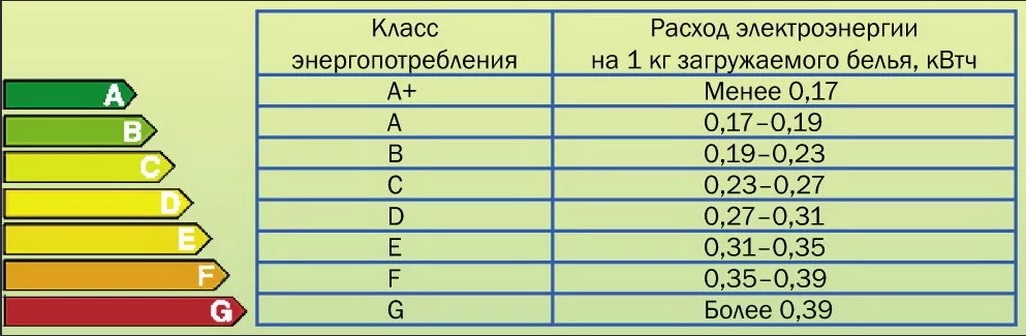
- Energy savings. The advanced drive design reduces the energy required to accelerate the drum, resulting in energy savings.
- Warning about any errors that may occur during operation and terminating the program until the problems are resolved.
- Compact dimensions. The absence of a pulley and belt allowed manufacturers to significantly reduce the size of the machine bodies, which affected the appearance and ease of use.
Disadvantages of technology
Along with their obvious advantages, direct-drive models have a number of disadvantages. Knowledge of these disadvantages encourages manufacturers to improve their technology, and consumers to be more thoughtful when choosing their washing machines.
- The absence of a belt places additional stress on bearings and seals. Failure of these components is hardly a cost-saving measure.
- The motor is potentially vulnerable. Its location under the drum creates a risk of failure if the bearing fails, as water can enter the motor. This type of failure is not covered by the long-term warranty, and repairs are expensive.
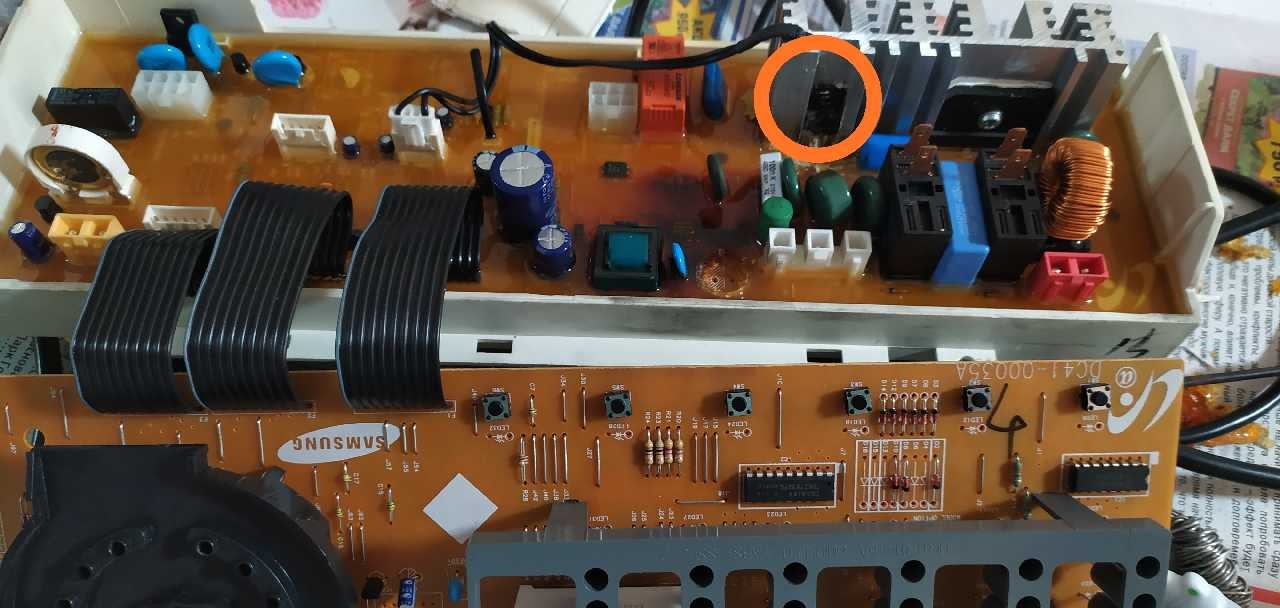
- Electronics. The entire system is controlled by a complex module, which is generally not known for its reliability. Firmware issues and malfunctioning triacs are common, especially if there's a power outage in the home. To ensure uninterrupted operation, it's best to purchase a voltage stabilizer and connect the appliance through it.
- Price. This is the determining factor for many consumers. Direct-drive models are significantly more expensive than their belt-driven predecessors.
The list isn't extensive, but overall, machines with this technology have proven themselves to be quite successful thanks to significant advantages such as quiet operation, aesthetic design, and ease of operation. Manufacturers are clearly interested in improvements, which will lead to the elimination of these shortcomings in the near future.
Interesting:
Readers' comments
Headings
Washing machine repair




For buyers




For users


Dishwasher




Add a comment