
What is turbo drying in a dishwasher?
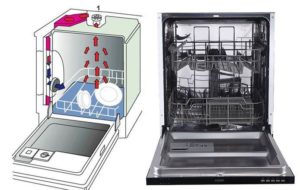 Drying is a crucial step in the dishwasher washing process. Most of us prefer an automated process rather than standing with a towel in our hands, wiping wet dishes. Furthermore, if you leave dishes to dry on the counter, they may be left with water droplets and streaks, so drying requires special attention. One option is a dishwasher with a turbo dryer. What is this drying feature and how does it work? Let's take a closer look at it.
Why is it needed and what does it give?
Dishwashers with turbo drying are designed somewhat differently. They have an additional heating element built in to heat air, which is then blown onto the dishes by a special fan. This design is reminiscent of a hair dryer. Why was a built-in fan heater necessary?
It's quite simple to reduce the drying time of dishes. Even if you rinse the dishes with hot water and then let them dry naturally, it will take longer. As for turbo drying, this process saves your time, but it also uses more electricity.
Please note! Additional dishwasher components (heater and fan) increase the risk of equipment failure, which in turn increases maintenance costs.
The difference between turbo drying and other types
Turbo Dry is just one of four possible drying options in a dishwasher. Other options include:
- condensation drying;
- intensive drying based on heat exchanger;
- zeolite drying.
The first type is the most basic drying method, or, in simpler terms, natural drying. During the final rinse, the dishes are rinsed with hot water and then dried under virtually normal conditions. This makes the dishwasher cheaper to operate than the machines we're describing.
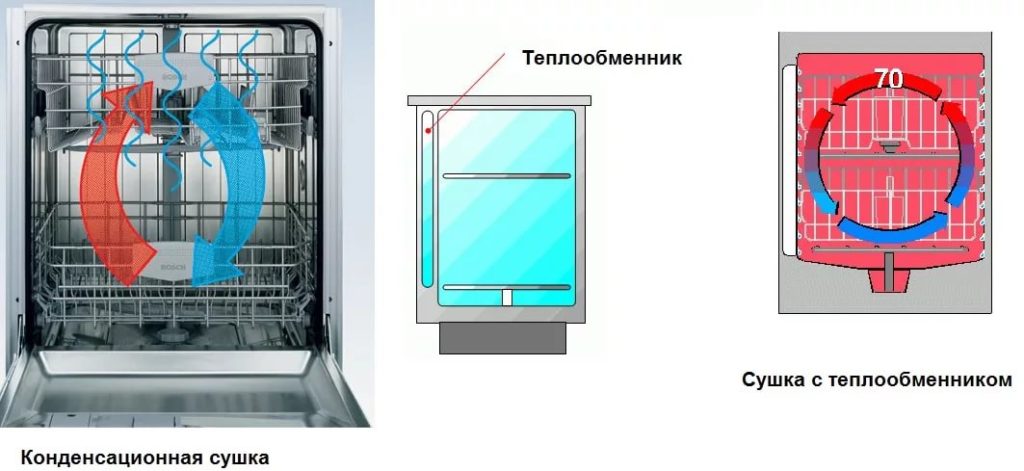
Intensive drying is a result of combining the two features described above. These machines lack a fan heater, but instead have a built-in heat exchanger, which is a reservoir of cold water. The difference in temperature creates a difference in air pressure, causing air circulation. This allows dishes to dry faster than usual without wasting energy. Furthermore, these dishwashers are also cheaper than those with turbo drying.
Zeolite drying is considered the latest drying technology. It relies on the properties of a mineral that absorbs moisture, releasing heat. This heat is transferred to the dishes.
Zeolite technology is rare, unlike expensive and fast turbo drying.
Dishwasher models with this function
Let's take a quick look at dishwashers with hot air drying and compare their technical specifications.
The Hansa ZIM 476 H is a 45 cm wide floor-standing dishwasher designed to wash up to 10 standard place settings. It offers excellent performance and a high energy efficiency rating of A++. It uses approximately 9 liters of water, and its noise level does not exceed 47 dB. It features six programs and full leak protection. One downside: there is no child lock. The average cost is about $220.
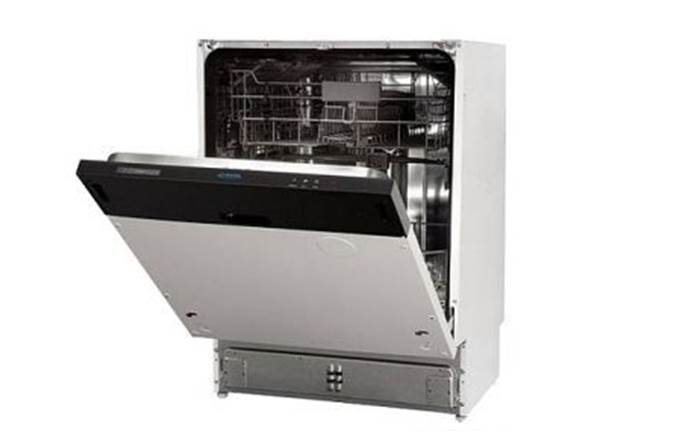
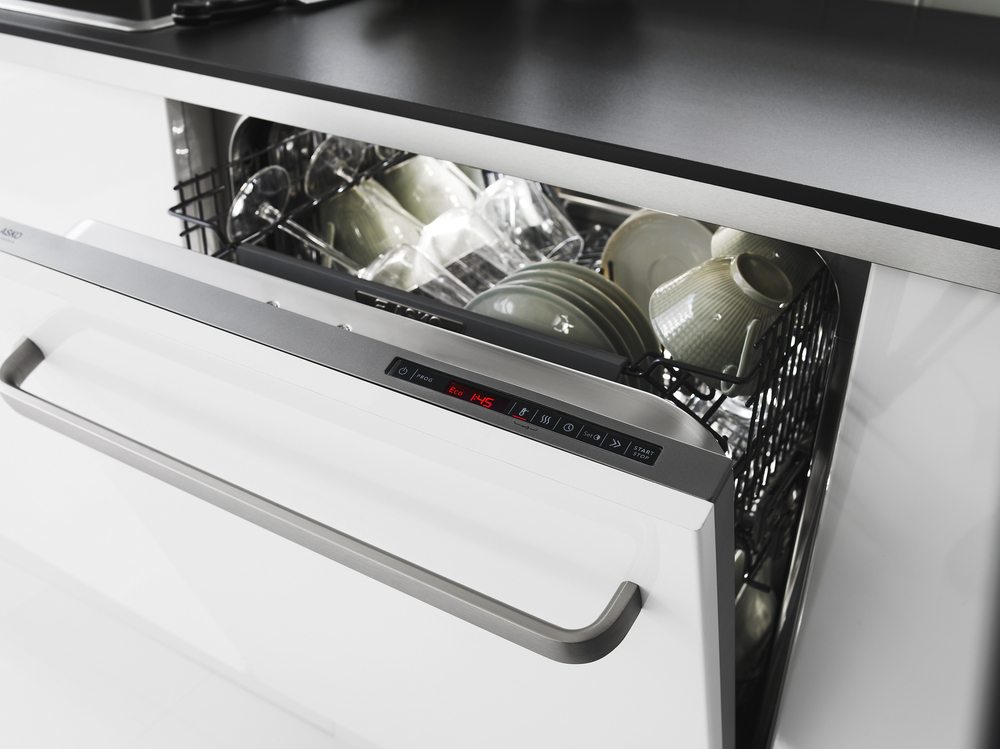
Asko D 5536 XL –full-size dishwasher A 60 cm wide dishwasher designed for full integration into cabinetry. This machine will wash approximately 13 place settings in approximately 210 minutes. Its low water consumption (approximately 10 liters), low noise level (46 dB), and 12 wash programs are noteworthy. It also features a salt level indicator and a 3-in-1 detergent drawer. The average price is around $1,000.
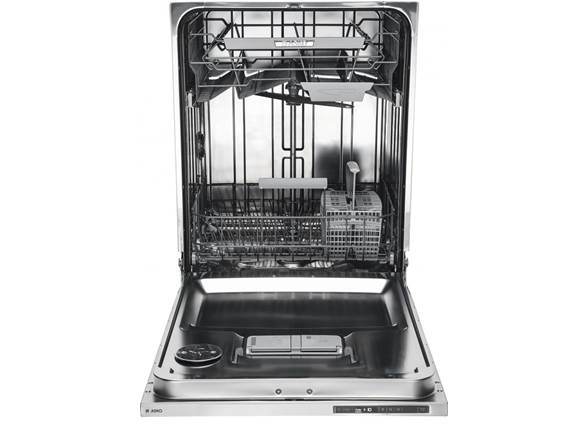
The Kaiser S 45 I 84 XL is a mid-priced dishwasher capable of washing up to 10 place settings in a single cycle. It's a slim, fully integrated dishwasher. It features all the necessary modes, including a mode for delicate dishes. It retails for approximately $789.
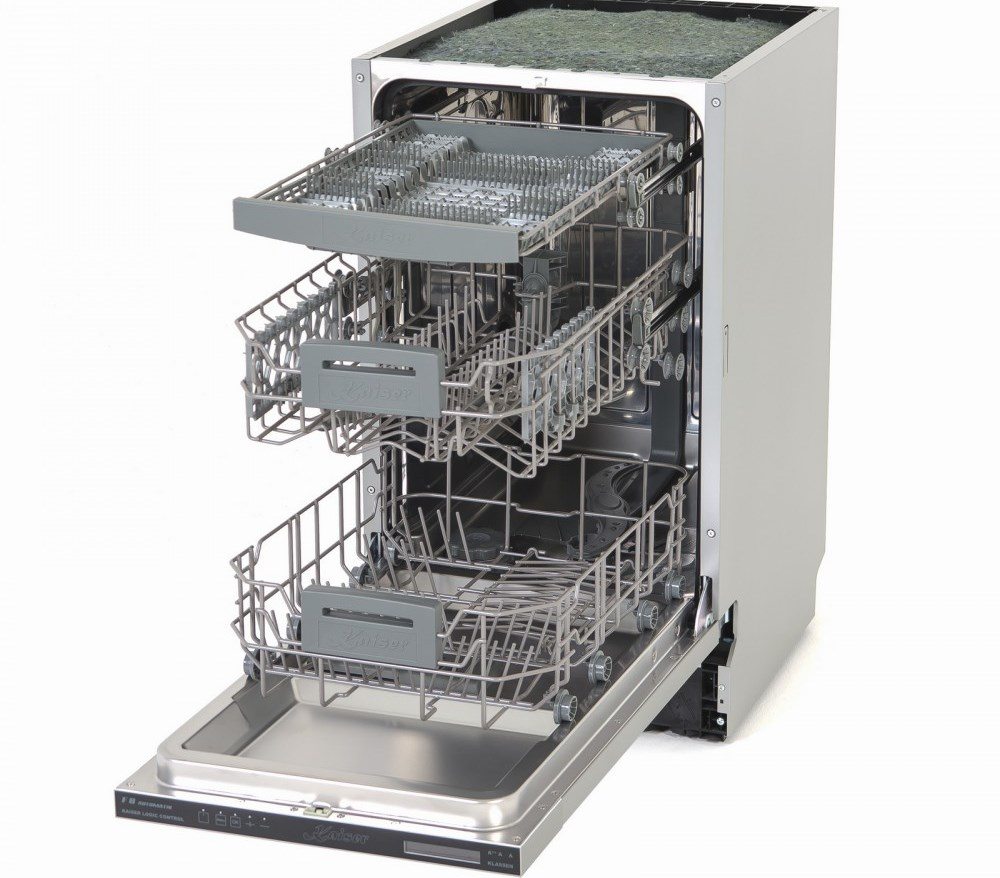
The Asko D 5554 XL FI is a dishwasher with a 14-place setting capacity for standard dishes. This model offers 14 wash programs, but consumes only 11 liters of water and just over 1 kW of power. Noise levels are reduced to 44 dB. For the variety of programs, the "floor beam" function, turbo drying, and other features, expect to pay at least $1,400.
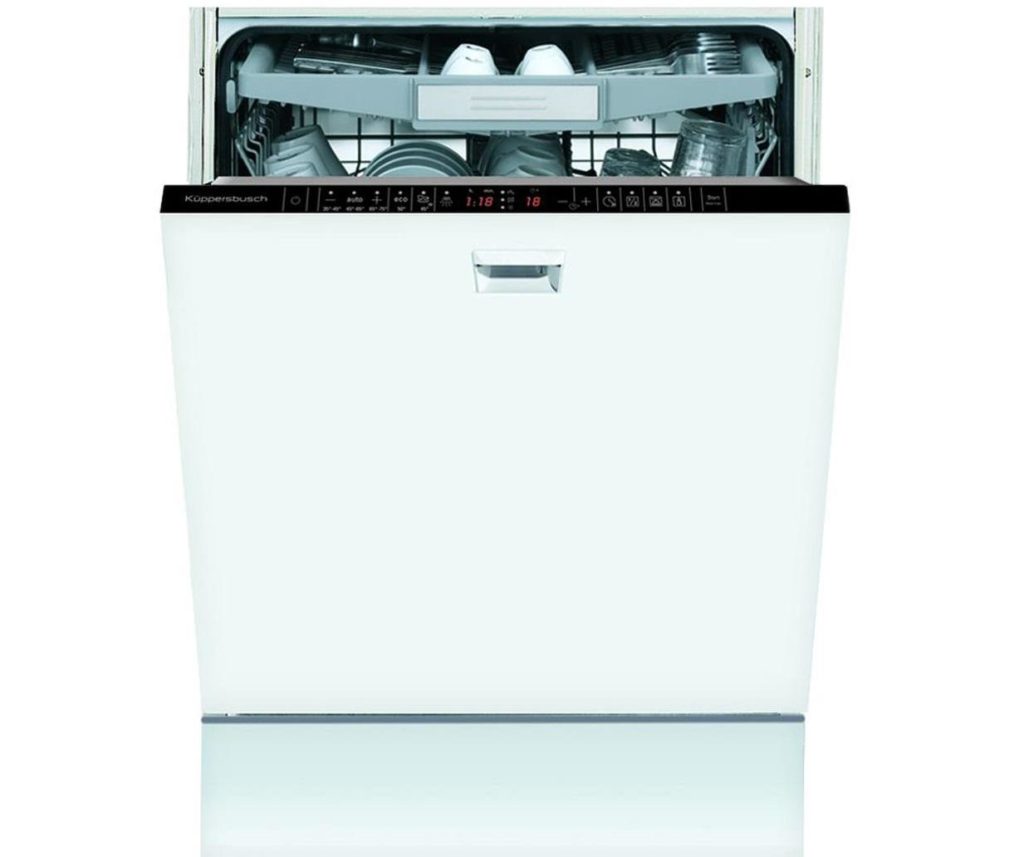
The Kuppersbusch IGV 6509.4 – this premium beauty will set you back $2,330. What are you paying for? Low noise levels – just 42 dB, a 13-placeholder capacity, and 9.5 liters of water consumption. There are only five programs, but they're sufficient for high-quality dishwashing. This model has all the necessary safety features, but lacks automatic water hardness detection. The rest of your investment is the German brand and, accordingly, the quality of its construction.
The list of models could certainly go on; there are many dishwashers with this drying function. After analyzing various models, we concluded that even budget-friendly machines offer hot-air drying. It's up to you to decide whether turbo drying or condensation drying is better; it doesn't significantly affect the cost of the machine. And turbo drying can generally be disabled if you don't want to overpay for energy. Good luck!
Interesting:




Readers' comments
Headings
Washing machine repair




For buyers




For users


Dishwasher




Add a comment