
Washing machine door closing sensor
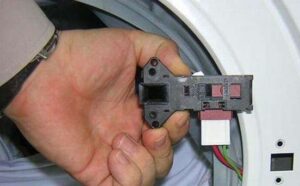 Every automatic washing machine is equipped with a door-closing sensor. This sensor is connected to the door lock, and together, this mechanism is called the door locking device. Only after the door locking device is activated can the machine begin washing.
The washing machine's door sensor sends a signal to the control module that the system is sealed, and the "brain" initiates the cycle. If this information isn't received by the board, the wash cycle won't start. Let's explore the components of the door locking system and how to check and repair the mechanism, if necessary.
What does the closing module consist of?
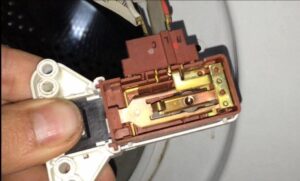
Before disassembling the hatch locking device, it is worth understanding what it is, what parts the mechanism consists of, and how it works. Modern automatic machines are equipped with bimetallic locks. This module is extremely reliable—it prevents the door from opening during a wash cycle. So, a washing machine door lock includes:
- thermoelement;
- locking "tongue";
- bimetallic plate.
The operating principle of the door locking module is as follows: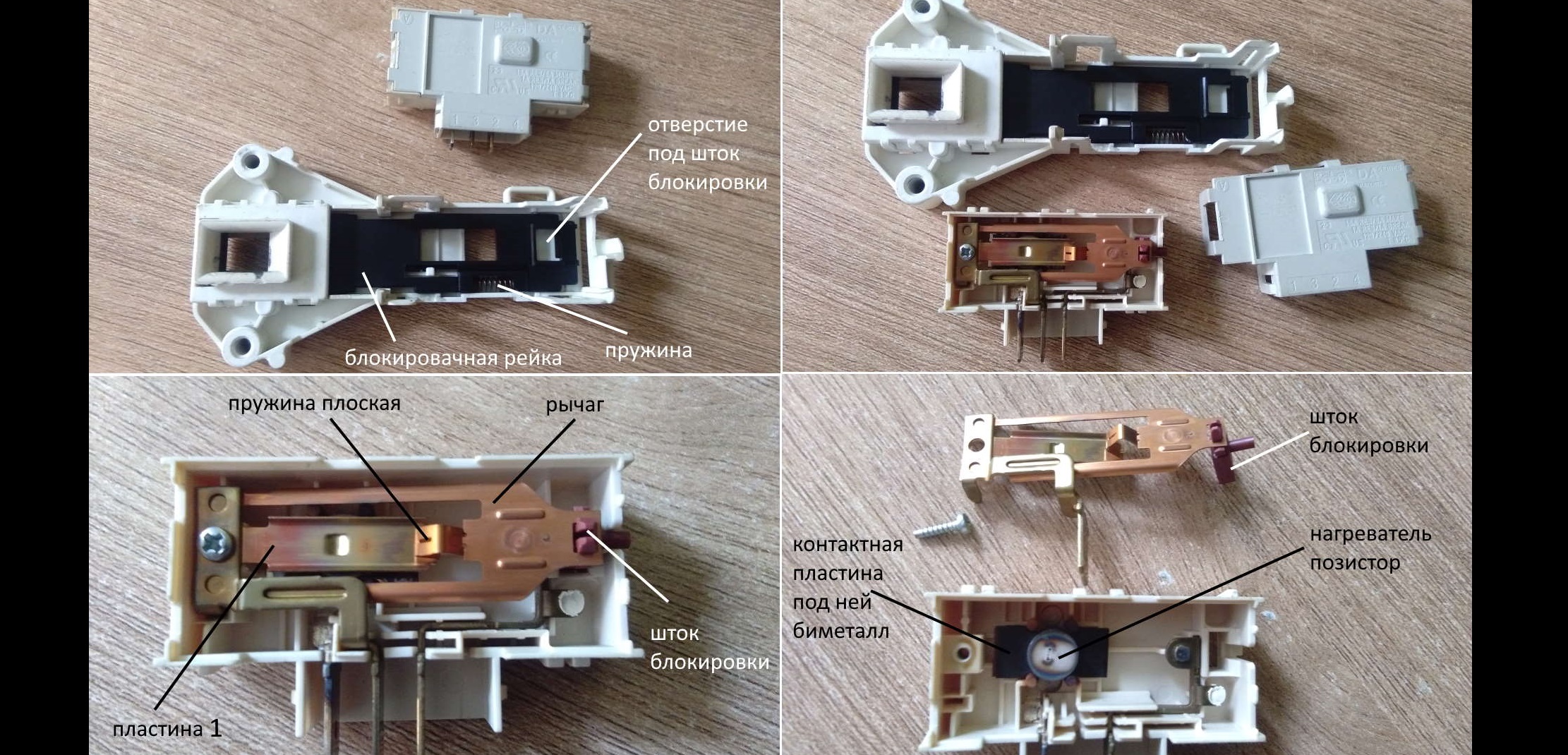
- the control unit supplies current to the lock's thermal element;
- the heating element heats up in 1-3 seconds;
- the charge is transferred to the bimetallic plate;
- the plate changes in size and puts pressure on the retainer;
- The "tongue" falls out and remains in a special recess.
A characteristic click will indicate that the door locking device has been activated.
The hatch opens in the same way, only all the steps are performed in reverse order. When the power is cut off, the bimetallic plate changes shape, and the latch "moves" out of the groove and "snaps" into place. The door lock is released.
It's important to understand that on most washing machine models, the door lock only activates 1-3 minutes after the cycle ends. Therefore, don't try to force the door open immediately. Wait until the door lock plate cools down and the control module verifies there's no water left in the drum.
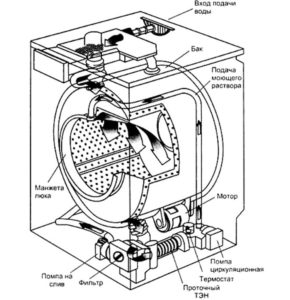
If the hatch still doesn't open after 10-20 minutes, there's likely a malfunction in the mechanism. We'll explain below why the locking mechanism might fail, how to check it, and how to repair it. The locking device is located on the front wall of the housing, to the right of the drum door. Its location is indicated by a small rectangle protruding slightly outward. This is the groove where the lock's tongue engages.
What causes breakdowns?
The washing machine door closing sensor usually breaks down for two reasons. Most often, a malfunction of the blocker is caused by banal wear of the mechanism parts due to long-term use of the machine. So, time after time, when heated, the plate deteriorates, and after a few years, the locking force weakens to a minimum. If this is the case, repairing the lock is impractical; it's better to remove the old one and install a new one.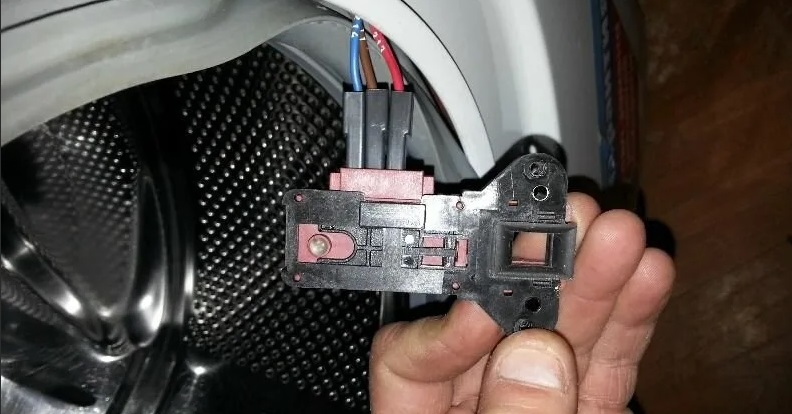
Additionally, problems with the machine's electronics may cause the locking device to malfunction. This could be due to:
- power surges in the electrical network “break down” the thermal element of the lock, it stops heating up and transferring charge to the plate and hook;
- The triac on the board, responsible for the operation of the lock, closes, as a result of which current is constantly supplied to the UBL, so the door lock is not released.
Mechanical issues can also cause UBL malfunctions. The door may not open if it's sagging or the hinges are deformed. Furthermore, the latch itself can break. To prevent such problems, it's important not to hang items on the hatch or allow children to ride on it.
Understanding the operating principle and design of the locking mechanism allows you to independently determine the cause of the malfunction. We'll show you how to diagnose the mechanism yourself. Once you've identified the problem, all that's left to do is fix it and continue washing.
How to test a part?
It's usually easy to tell if the door lock is faulty. When this problem occurs, the washing machine will clearly indicate a malfunction. Common symptoms include:
- the hatch does not open, even after 1-2 hours from the end of washing;
- the display shows the corresponding error code or the LED of the “Start/Pause” button on the dashboard flashes 17 times (other indicators may also light up, depending on the model of the washing machine);
- the door does not open even when the washing machine is disconnected from the electrical network;
- After starting the wash, the lock does not work, the machine does not start the cycle.
How do you test a washing machine's door lock sensor for proper operation? You can use a multimeter to diagnose the problem. First, consult the manual and study the washing machine's wiring diagram. This will help you determine the location of the phase, neutral, and ground contacts on the door lock. Then, you can begin removing the door lock. Follow these steps:
- de-energize the washing machine;
- turn off the valve responsible for the water supply;
- disconnect the equipment from communications;
- open the hatch;
- unscrew the bolts securing the UBL;
- unscrew a couple of screws holding the top cover of the washing machine;
- push the panel towards you and remove it;
- slide your hand down towards the blocker (it is located to the right of the cuff);
- unhook the wires connected to the lock;
- remove the device from the case.
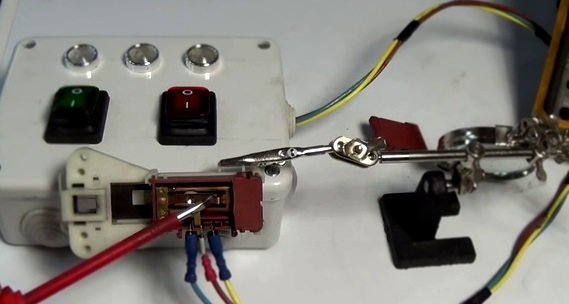
Next, you can grab a multimeter, set it to resistance mode, and touch the tester's probes to the neutral and live contacts of the lock. The display should show a three-digit number. If the value doesn't match, replace the door lock. The next step is to connect the wires to the common and live contacts. Using a screwdriver, slide the lock's tongue into its operating position and connect the device to the power supply. A working door lock will click; a broken one will remain silent.
If diagnostics reveal no problems with the lock, inspect the hinges. They may be deformed, causing the door to sag. Mechanical damage to the mechanism's "tongue" may also be the cause of the washer's failure to lock. Be sure to check this possibility as well.
How do you know if the closing sensor is broken?
Knowing how the door lock works makes it easy for the user to detect a malfunction. The washing machine's behavior will immediately indicate a problem. As mentioned earlier, you can suspect a problem with the locking mechanism if:
- the door lock does not release for a long time after the wash cycle is completed;
- the machine displays a fault code corresponding to this problem;
- The "brain" does not lock the door after selecting the desired mode and starting the cycle.
The hatch locking device ensures the system is hermetically sealed – the mechanism will not allow a person to open the door when there is water in the tank.
A warning sign would be the need to press on the machine door every time you start a wash cycle to activate the door lock. This indicates a loose lock—it's best to check it immediately and, if necessary, replace the lock.
Interesting:
Readers' comments
Headings
Washing machine repair




For buyers




For users


Dishwasher




Add a comment