
What pressure is needed for an automatic washing machine?
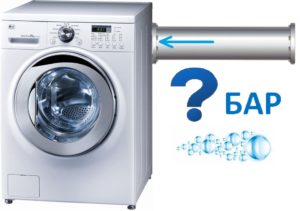 When you live in an apartment building in a large city, you don't often think about your water pressure; it's usually sufficient for your washing machine. It's a different story for residents of rural areas and small towns, where the water supply system is in poor condition, with almost no pressure in the pipes, making it impossible to connect your washing machine—it simply won't work, displaying a system error.
In this situation, there are two options: install pressure-increasing equipment or purchase a washing machine that operates independently of the water supply. Any other home-made solutions are generally ineffective and do not solve the problem.
Plumbing requirements
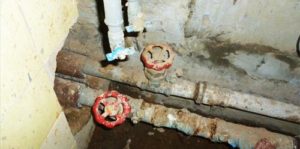 Different manufacturers of automatic washing machines have different requirements for the water supply system that will power their creations. Often, this depends not on their whim, but on the specifics of the software embedded in the machine's control module. The fact is that software developers for modern washing machines strive to make wash cycles as short and efficient as possible. And what's the easiest way to save time? Filling the washing machine's drum, of course.
The faster the water for washing and then rinsing is collected, the less time it will take to complete the entire washing program. Everything would be fine, but German, Chinese, and Korean scientists, accustomed to living and working "in civilization" where plumbing is unaffected, forget that their technology can work not only in St. Petersburg or Moscow. Their washing machines are also needed in some Siberian village where the water supply is "100 years old" and can't provide the minimum pressure programmed for it.
Insufficient water pressure in the water supply may not cause your washing machine to stop working. However, it will lead to other problems, such as slow water filling and poor detergent rinsing, which will impact the quality of your wash.
So it turns out that some villager will buy a washing machine, say, from LG, hoping to simplify their difficult rural life, but end up taking it back to the store because they can't get it hooked up. We believe it's time to correct this injustice. First, let's find out the minimum water pressure required for automatic washing machines of various brands.
- The minimum water pressure for washing machines from LG, Samsung, Zanussi, Electrolux, and Daewoo is 0.3 bar. In some cases, certain models of these brands are equipped with inlet valves that can handle pressures as low as 0.4 bar, but ultimately, this will depend on the software.
- The minimum water pressure for Beko, AEG, Ariston, Candy, Indesit, and Whirlpool washing machines is generally 0.4 bar. However, many Indesit washing machine models operate at lower water pressure.
- The minimum water pressure for a Bosch automatic washing machine is around 0.5 bar. A Miele washing machine requires approximately the same minimum water pressure, although much will also depend on the model.
- The minimum water pressure for the Atlant automatic washing machine is 0.6 bar. The Kuppersbusch washing machine is a kind of record-holder in this case, as it requires water pressure of at least 0.8-0.9 bar. Although some models work perfectly well at 0.5 bar.
What's the water pressure in a village? Well, there's no definitive answer to that question. It all depends on the location, but it's a known fact that in many cases, the pressure in rural water supplies doesn't even reach 0.1 bar, so how could a washing machine work?
How to increase pressure?
Low water pressure isn't a death sentence. You can connect a special booster pump to increase the water pressure to the required level.
Another issue is that these are additional costs. To get a clearer understanding of booster pumps and their costs, let's take a brief look at these units.
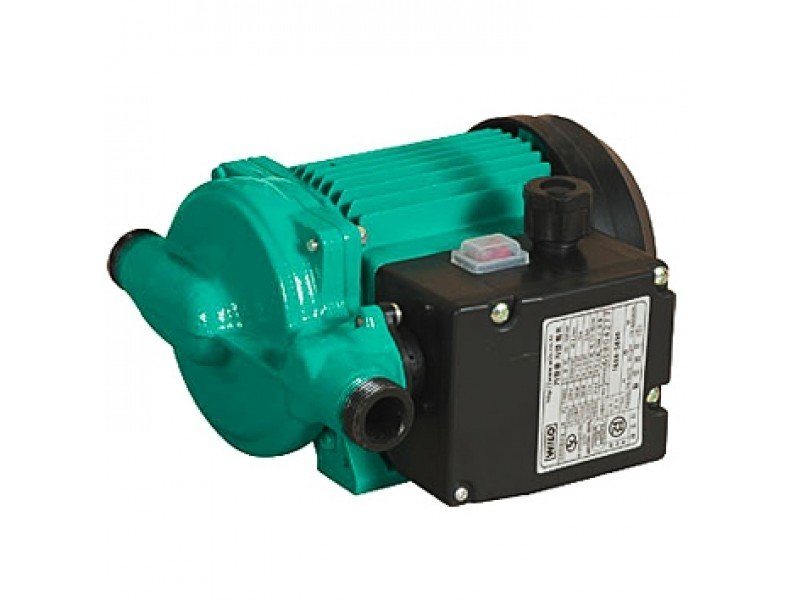
- The WILO PB-088 EA pressure booster pump is a relatively inexpensive pump with decent performance, suitable not only for washing machines but also for showers, jacuzzis, and other applications. It offers a 9.5-meter head, a temperature range of 0 to 60°C, and a power output of 0.09 kW. It retails for approximately $60.
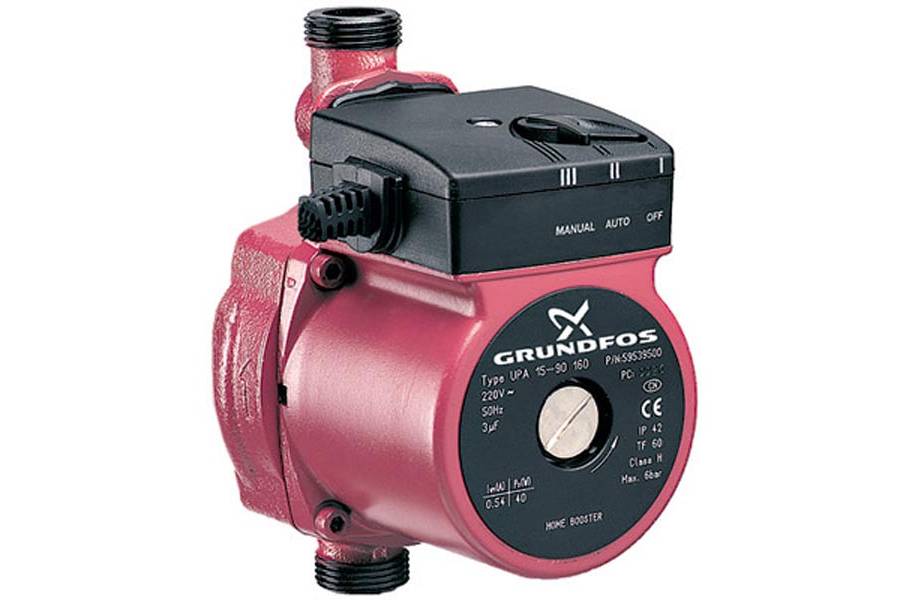
- GRUNDFOS UPA 15-90 pressure booster pump. A slightly less powerful unit, but still more than sufficient to ensure the proper operation of an automatic washing machine. Pressure – 8 m, power – 118 W, operates absolutely silently. The price is about 90 dollars.
- Dzhileks Jumbo 60/35 P-24. This booster pump model is designed for those who need a unit to supply water to multiple devices simultaneously, such as a shower stall, dishwasher, and washing machine. It delivers a maximum head of 35 m with a power consumption of 600 watts. Price: approximately $107.
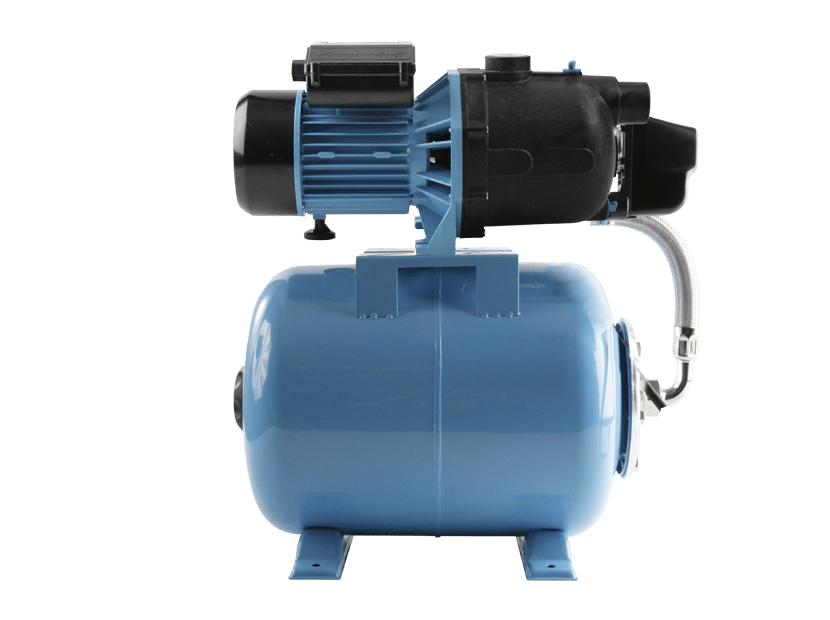
- Marina Cam 80/22. This is a fully functional pumping station with the appropriate dimensions. It offers a head of 32 m, a water intake depth of up to 8 m, and a power of 800 W. The average price is $170.
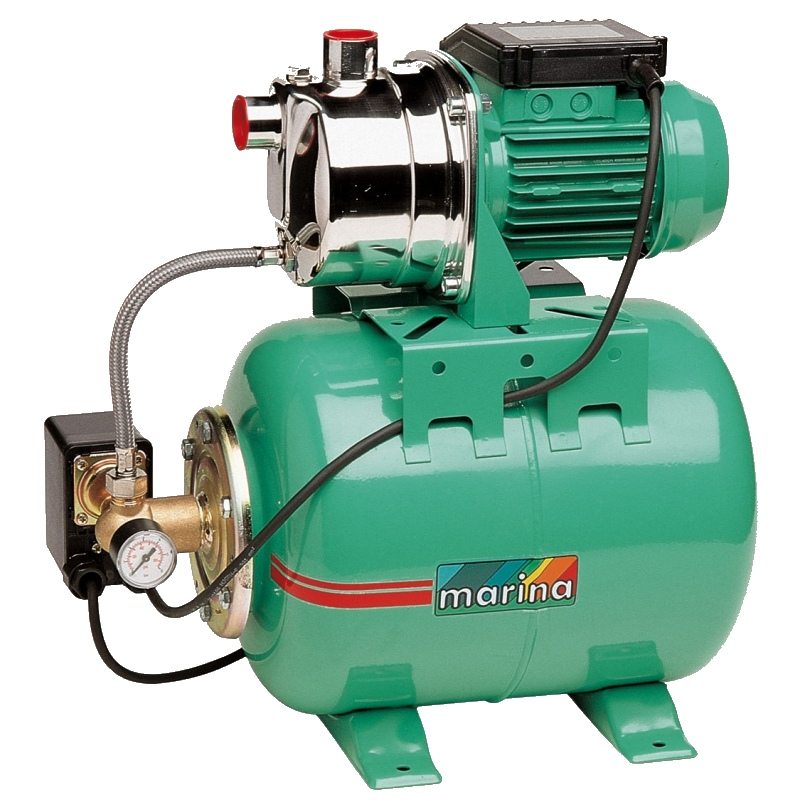
There's a wide selection of pressure boosting pumps available, and their quality is top-notch. Choose the model that best fits your needs and price.
Washing machines that work without running water
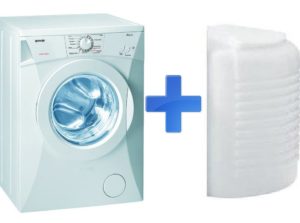
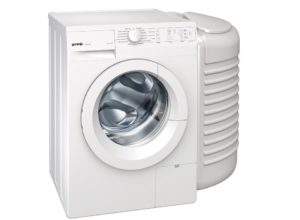 In the vast expanses of the CIS, it's common to have a running water supply, but no water. Under these circumstances, no pumping station will help. If the main water source for your rural home is a pump or, even worse, a well in the yard, it might make sense to get an automatic washing machine that doesn't require a water supply. Such machines are rare—specifically, only three models from one brand, Gorenje.
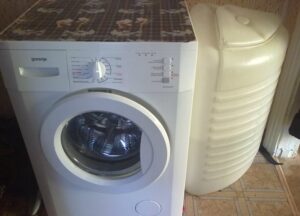
Gorenje stand-alone washing machines do not require a water supply connection, as they have a fairly large tank attached to the side into which water is poured. To start washing, simply connect the washing machine to the power supply, add water to the tank, and that's it – you can wash without any hassle. Moreover, the Gorenje washing machine’s tank is so capacious that its volume can be enough for 2-3 washes.
By the way, you can order a larger tank, which will hold enough water for 6 washes.
Gorenje self-contained washing machines, in addition to the inlet valve, have a pressure-increasing pump. This means water passes through the inlet valve with considerable pressure, effortlessly flushing the detergent into the drum. The wash quality is very high. You can learn more about this type of washing machine by reading this article. Washing machines with a water tank.
To summarize, for an automatic washing machine to function properly, the water pressure in the water supply must reach a minimum level, which is programmed into the control module and sensed by the inlet valve. If the water supply pressure is below the minimum, the machine will not operate. There is a solution: install a booster pump, and if you have the option of choosing a washing machine, consider a model that can operate independently. Good luck!
Interesting:
6 reader comments
Add a comment
Headings
Washing machine repair




For buyers




For users


Dishwasher




I bought an Atlant washing machine for the village, and now I'm wondering what kind of pumping station to get to make it work. We don't have running water.
Washing machine manufacturers, plumbers, and pump manufacturers probably came to an agreement. Some make machines with reduced water supply, others reduce water pressure, and still others produce pumping stations. They split the profits. Just kidding. But there's something in every joke...
We bought a Gorenje washing machine, one tank is only enough for 1-2 washes 🙁
I have a 290-liter barrel in the attic. Everything works.