
Disinfectants and antibacterial detergents for laundry
 We are surrounded by a colossal number of microorganisms, both beneficial and harmful. We inhale them with the air we breathe, absorb them with water and food, and our skin is constantly attacked by microscopic invaders. But this doesn't mean we should fear them. We simply need to take appropriate measures to ensure our bodies live in relative harmony with bacteria and viruses. First and foremost, it's essential to follow basic hygiene rules, and this doesn't just mean washing your hands, washing your face, brushing your teeth, and showering morning and evening. It's also important to remember to apply antimicrobial treatment to your laundry when washing.
Modern people have somehow forgotten the lengths our ancestors went to to rid their laundry of dirt and germs. So, you pour some detergent into the washing machine's dispenser, run the program, and get washed and spun laundry, but that doesn't necessarily mean it's properly disinfected. In this article, we'll explain how to properly disinfect clothes, which disinfectants to use, and how to choose the best ones.
How to get rid of germs from laundry?
An antibacterial detergent for washing machines is a chemical substance or mixture of substances with pronounced antimicrobial properties. However, not every antibacterial detergent can be used without a prescription, as harsh chemicals often damage not only microbes but also fabric fibers, gradually ruining laundry. Therefore, our grandparents, and many modern housewives, prefer to disinfect laundry using gentler methods. Over time, four main approaches to antibacterial laundry treatment have evolved:
- disinfection by boiling;
- antimicrobial treatment with aggressive chemicals based on chlorine and alkali;
- disinfection using improvised, home remedies;
- treatment of linen during washing with modern antibacterial compounds.
There's also a mechanical method, although in our case it's not used during washing, but rather as a supplement to it. This involves steam treatment when the laundry is loaded. in a washing machine with a steam function, and the washing machine processes the items for a certain period of time, as a result of which 98% of the microflora dies.
Ironing can also be considered a mechanical method of processing linen after washing.
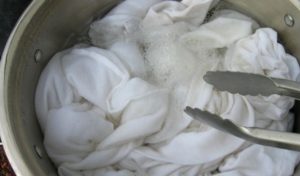 But let's not get sidetracked and return to the methods of antibacterial treatment of laundry during washing, starting with boiling. This method is one of the oldest and, nevertheless, still popular. Its essence is clear to everyone. The laundry is immersed in a suitable container of hot water, first lining the bottom with a discarded cloth to prevent burning. Then, bring the water to a boil and simmer for about 40 minutes. Then, gradually reduce the heat and leave the container with the laundry on the now-cooled stove until it cools completely, then rinse.
Housewives rarely use boiling in its pure form, combining heat treatment with chemical treatment, adding various laundry detergents to boiling water, including laundry soap, chlorine bleach, hydrogen peroxide, or borax. Boiling with bleach is super effective. Not a single speck of dirt, let alone germs, will survive, but what will happen to the fabric? It is not surprising that only natural, undyed cotton or linen fabrics can withstand boiling with bleach.
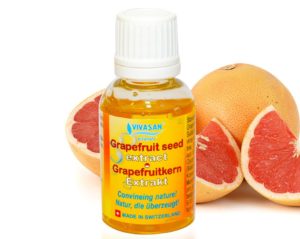 If you have synthetic or blended clothing, it's best to avoid harsh chemicals or boiling, and instead use another method to remove germs. You can use 50 ml of hydrogen peroxide and 100 g of borax. Add them to the washing machine along with the detergent, run the wash cycle as usual, and then wait for the cycle to finish. An even gentler antibacterial treatment for laundry is using grapefruit seed extract. Add 10 drops of the extract to 4 liters of water and add it to the machine along with the detergent.
In addition to grapefruit seed extract, lavender or tea tree essential oils are also used. The latter is ideal for allergy sufferers, as it leaves no odor other than a fresh scent. If home remedies are unacceptable, you can use modern commercial disinfectants, which we'll discuss below.
Review of antimicrobial laundry detergents
Which antibacterial laundry detergent should you choose? It's a serious question, considering the vast selection on the market today. Our experts tested several types of antimicrobial laundry detergents and concluded that the list of effective and safe disinfectants is not that extensive.
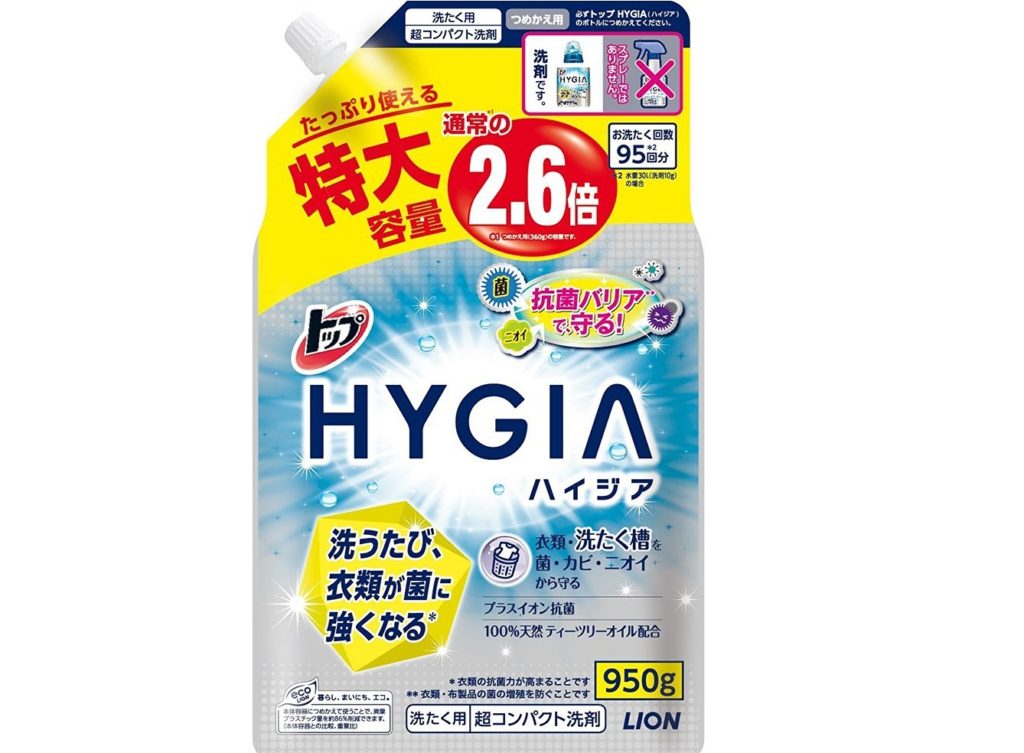
- Lion Top Hygia. A unique Japanese laundry detergent and safe disinfectant. This laundry gel is unique in that it effectively removes a variety of stains, even stubborn ones, without damaging fabrics. It gently removes germs, and is just as effective as chlorine bleach. It poses no harm to human health and is economical to use.
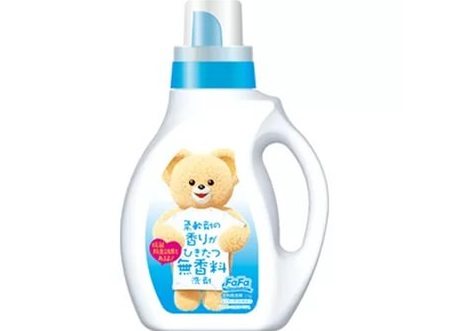
- Fa Fa laundry gel. Another Japanese laundry gel. It's also very good, but its performance isn't as impressive, as it's not concentrated and is more expensive. However, it's suitable for washing children's clothes.
- GLAV washing. A professional disinfectant powder, which is also designed for washing special clothing made of linen, cotton, blended, and synthetic fabrics. This powder cannot be used to wash colored items, clothes made of natural wool and silk. The substances included in the powder completely suppress mycobacterium tuberculosis, influenza virus, HIV, herpes, Candida fungi and other microorganisms.
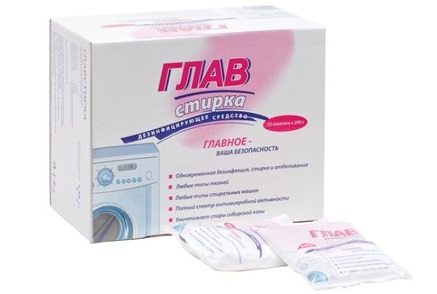
The Glav washing product is used for washing gowns for the staff of specialized medical and other institutions.
- Antibacterial Laundry Detergent Plus. Essentially, it's a laundry gel with a pronounced antibacterial effect. Not only does it effectively remove dirt and 97% of microflora from fabrics, but it also temporarily prevents microbial growth on the surface and within the fibers. The gel's main drawback is its chlorine content, so it's not recommended for use on delicate fabrics. It's also not recommended for washing children's clothing or items for those with allergies.
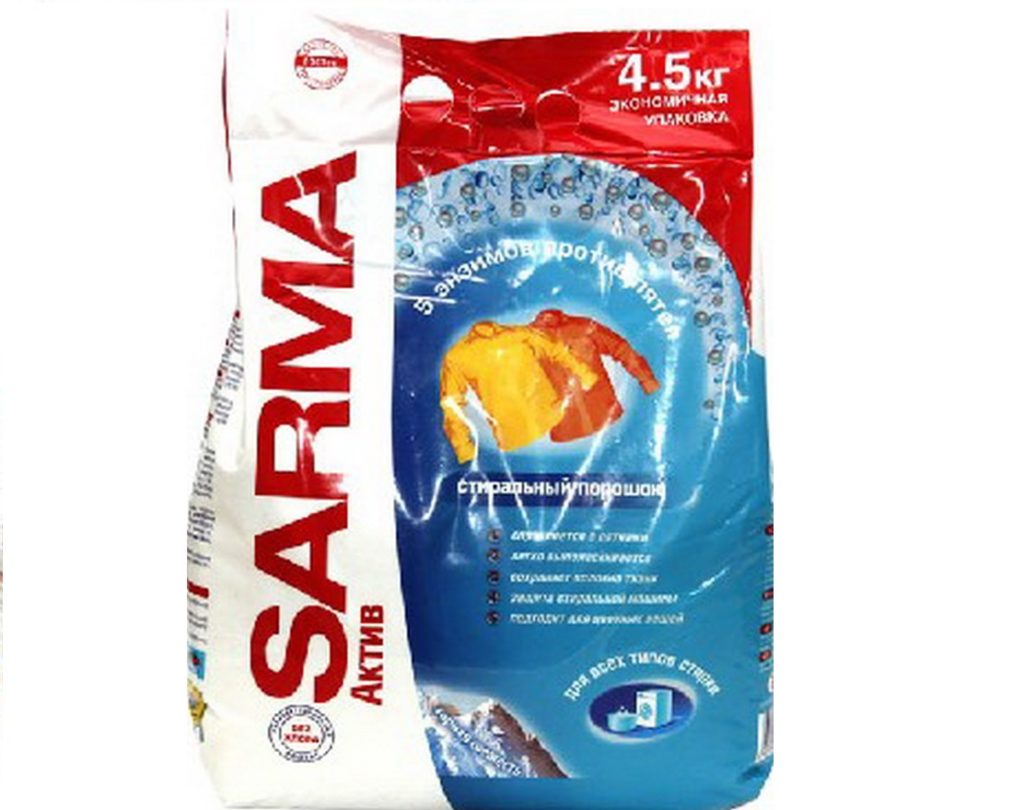
- Sarma Active. Based on test results, Sarma has the most pronounced disinfectant effect among commonly used laundry detergents. However, this detergent has a rather aggressive formula and doesn't rinse well, so if you decide to use it for washing, use a double rinse cycle.
We've presented the top five best laundry disinfectants. These powders and gels have been thoroughly tested, and their antibacterial effect has been proven. We can't say anything definitive about the remaining powders, gels, sprays, and other products; further research is needed.
Use of antimicrobial chemicals
As our review shows, most commercial laundry disinfectants are included in laundry detergents and gels, meaning there shouldn't be any problems using them. At the very least, you can read the instructions on the packaging and clarify any unclear points. The situation is a bit more complex with household disinfectants. They can easily ruin clothes with a slight mis-dosing or mixing the chemicals in the wrong proportions. There are some recommendations for this.
- Before using any antimicrobial treatments on specific items of clothing, first wash the fabric samples usually provided by the manufacturer. If the sample doesn't change color or deteriorate, the solution is safe for the item.
- Use chlorine bleaches only to disinfect undyed, coarse natural fabrics. They are not suitable for blended and synthetic fabrics, as well as wool and silk.
- When using essential oils as antibacterial agents for linens, choose only those that do not leave marks on items and do not have a strong odor. It is also not recommended to exceed the dosage of essential oils, as they are difficult to rinse out of fabric and at high concentrations they can cause an allergic reaction.
- Don't overdo it with borax, washing soda, or hydrogen peroxide. These substances, when used in high concentrations, can damage items, and in some cases, even your washing machine.
So, when we talk about using antibacterial laundry detergents, we most often mean either special powders or gels, or homemade remedies. These products must be used strictly according to the instructions, otherwise, they can have consequences not only for your clothes but also for your health. Happy washing!
Interesting:
Readers' comments
Headings
Washing machine repair




For buyers




For users


Dishwasher




Add a comment