
Can I add Domestos to my washing machine?
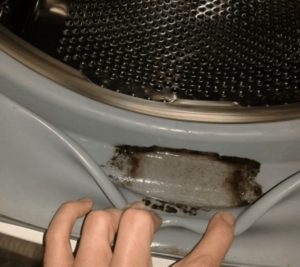
 In an effort to preventatively remove mold, mildew, and dirt, many housewives rush to add Domestos to their washing machine to ensure complete disinfection and protect their health. This product, along with baking soda and vinegar, has long been considered an inexpensive yet powerful cleaner for household appliances, sanitary appliances, and countertops. However, it's important to remember the product's aggressive action, so let's first consider whether it's safe to use Domestos in a washing machine. The pros and cons are discussed in this article.
Is it acceptable to use such a product?
Many housewives will say that only bleach, Domestos, ACE, and other similar products can cope with stains in the washing machine. However, manufacturers do not agree with their opinion and, on the contrary, strongly advise against using the mentioned brands for preventative cleaning.The ban is due to the presence of chlorine, an aggressive cleaning agent that can damage the inside of the machine.
Manufacturers recommend using Domestos and other chlorine-based detergents in washing machines only if a virus or infection is suspected.
But there's a caveat: only prolonged exposure to chlorine is harmful to the machine. Therefore, a single cleaning at least every six months won't damage even the most vulnerable parts of the machine: the rubber seals and hoses and fittings. The main thing is to strictly follow the instructions and remember personal safety rules. Here's the algorithm for cleaning your machine with Domestos.
- Put on rubber gloves to prevent the product from getting on the skin of your hands.
- Make sure there are no dirty items in the drum.
- Apply the liquid evenly to the drum and the hatch cuff.
- Close the door tightly and do not approach the machine for 20 minutes.
- After 20 minutes, pour another 50 ml of Domestos into the drum and start the machine on the “Rinse” program.
- At the end of the cycle, we repeat the start, selecting a mode with a water heating temperature above 90 degrees and pouring about 200 grams of dry citric acid into the main compartment of the tray.
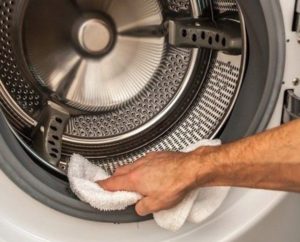
- Wipe the drum, cuff, door and powder compartment dry and leave the machine open to ventilate for at least an hour.
Wash with Domestos with caution. Monitor the cleaning process carefully, as the machine will often begin making a faint whirring sound. When this happens, the machine stops, and the pump, debris filter, and drain hose are thoroughly rinsed. Keep in mind that a strong cleaner will quickly loosen hardened deposits and limescale, which can cause clogs and jams. The key is to react promptly, remove them, and continue washing.
The effect of this procedure will be immediate: mold and mildew will disappear, along with scale deposits on the heating element, extending the life of your washing machine by another couple of years. But if your financial situation allows, it is better to choose more expensive and gentle products instead of strong cleaners.They are completely safe to use, and the comprehensive results will eliminate viruses, bacteria, dirt, and all types of fungi. The modern market offers a wide range of options: disinfecting soft gels like Velvet, Vanish, and Belle, mold and scale removers like Doctor Beckman, Doctor TEN Antibacterial, and the Korean brand SANDOKKAEBI.
Where does dirt accumulate in the machine?
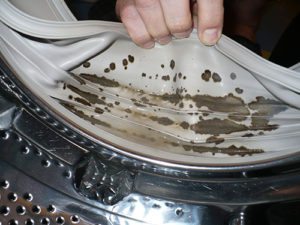
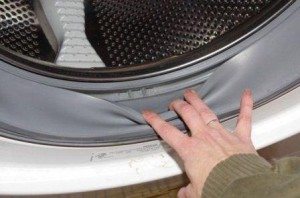
It's not always necessary to begin a comprehensive cleaning with multiple cycles and a thorough clean. Sometimes, simply treating the machine's most sensitive areas with a weak Domestos solution is sufficient, which is much faster and safer. These areas are the most fertile grounds for germs and parasites to thrive: the dispensary, waste filter, drum, and sealing cuff. Here's how to do it.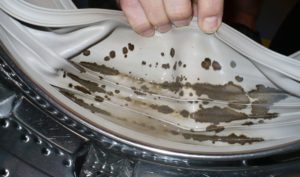
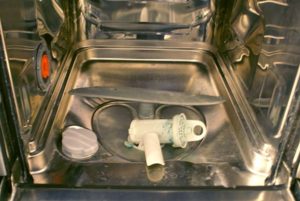
- We start with the drainage system, repeating this procedure at least once a month. Locate the filter behind the service hatch in the lower right corner and unscrew it. Drain the water, placing a container or rag nearby. Next, dilute Domestos with water and soak the nozzle for a few minutes, then rinse under the tap and replace it. Do the same with the drain hose.
- Pay attention to the detergent drawer, where bacteria and mold like to nest. Press the latch, pull the dispenser toward you, and remove the tray. Rinse thoroughly under water, and if there's heavy buildup, dilute the solution with dishwashing gel or laundry detergent. For a thorough cleaning, you can use an old toothbrush. It's also a good idea to regularly disinfect the tray with a small amount of Domestos.
Don't forget about the hole for the powder receptacle, which should be washed and wiped dry.
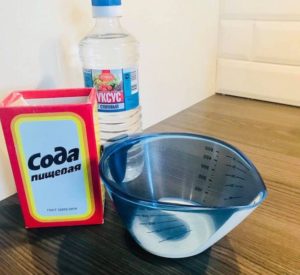
- Open the door and clean the drum and seal with a sponge soaked in a solution of vinegar, Domestos, citric acid, or baking soda. Be careful with vinegar, as it will leave an unpleasant odor in the machine, which can only be removed by a long rinse with fabric softener added to the dispenser.
If you regularly perform the described manipulations, then fungus and bacteria will not have time to spread throughout the washing machine. But in severe stages, as well as when viruses such as hepatitis, influenza or tuberculosis get inside the machine, full disinfection is necessary.In this case, it is necessary to add Domestos or other aggressive chlorine-based products.
Extending the life of your machine
Manufacturers promise a service life of at least 5-7 years. However, with proper care and adherence to all operating instructions, the machine will last even longer. Regular preventative cleaning is a top priority. But other measures are equally important:
- soften water with each wash by adding special products;
- carefully check all pockets to prevent small change, paper, or jewelry from getting into the tank and drum;
- do not overload the drum with things, keeping in mind the maximum permissible loading weight;
Let's not forget about the minimum drum load, which is set on average for 1-1.5 kg of dry laundry.
- For regular washing, choose modes with water heating below 90 degrees; with frequent use of high-temperature programs, the machine becomes vulnerable to breakdowns;
- use special mesh bags for washing items with metal elements, fading woolen items and shoes;
- monitor the washing process in order to promptly respond to leaks, unusual knocking or grinding sounds;
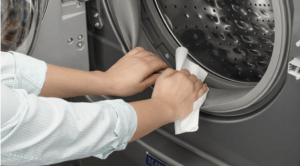
- After each wash, wipe the drum and sealing rubber dry;
- leave the hatch door and tray open to allow free air flow into the housing;
- clean the debris filter at least once a month;
- Run an "empty" wash cycle if you don't plan to use the machine in the near future.
Careful handling of electricity is also crucial. For example, it is strictly forbidden to turn off the machine by pulling the cord from the outlet, as this can easily damage the control board. Ideally, a voltage stabilizer should be connected to the circuit breaker to prevent voltage fluctuations, which can have a detrimental effect on the machine's system.
The presence of dirt, mold, and bacteria in a washing machine not only negatively impacts the cleaning performance but also the health of its owners. Domestos will quickly and effectively combat all these accumulated problems, but only if you strictly adhere to safety rules.
Interesting:
1 reader comment
Add a comment
Headings
Washing machine repair




For buyers




For users


Dishwasher




For over ten years, I lived in rented apartments with different washing machines. I never had any problems with the smell coming from the washing machine. Then I moved into my own. I bought a new washing machine, and after two years, it started smelling terrible! I found a huge amount of mold in and around the seal. I'm fed up with cleaning it.