
How do you get a sock out of a washing machine?
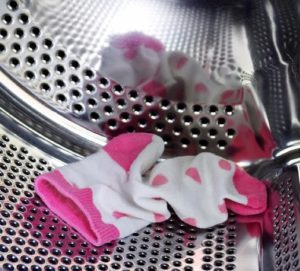
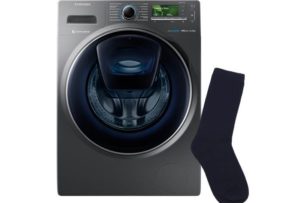 Small items of clothing, particularly socks, are recommended to be washed in special bags or boxes. However, few housewives heed this sound advice; most simply load several pairs of socks into the washing machine and start a cycle. It's no surprise that "one" of the many gets lost in the machine. Leaving the item inside is prohibited, as it poses a potential hazard to the equipment. Let's figure out how to remove a sock from the washing machine yourself.
Where did the thing settle?
There are several places in the washing machine body where a sock might get stuck. It is better to start checking from the cavities that can be reached without disassembling the machine body. Only if the item isn't found in the surrounding area will you have to begin a full disassembly of the device. First, it's best to inspect the following for any small objects that may be stuck:
- space under the hatch door sealing cuff;
- bottom of the tank;
- drain filter and snail;
- system pipes.
To determine the location of a stuck sock, you need to carefully feel and inspect all potential hiding places.
The only way to find a garment jammed in a washing machine is by hand. This method is informative, but labor-intensive. "Perusing" the washing machine's parts can be quite time-consuming.
Search without disassembling the machine
As we recommended, it's best to start searching for the missing item from easily accessible areas of the washing machine. In this case, it's permissible to leave the machine connected to the power supply and utilities. First, open the door wide and bend back the edge of the seal. Be careful not to damage the seal. There's a large gap under the rubber seal, where the sock could have become lodged. If the item is visible in the cavity beneath the seal, carefully remove it from the housing.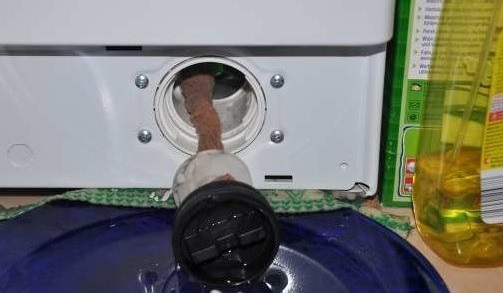
If the space under the cuff is empty, remove the drain filter. It's located on the front of the machine behind a special hatch or lower false panel on the front wall. Unscrew the filter element, making sure to place a rag under the resulting hole to collect water. Inspect the debris filter and the exposed opening of the snail for any foreign objects.
To inspect the interior of your washing machine, it's best to use a flashlight to be able to see a piece of a lost sock in the dark.
Let's get to the bottom of the tank
If the "indiscriminate" methods are unsuccessful, you'll have to invest more effort into the search. First and foremost, be sure to:
- Unplug the equipment's power cord from the outlet;
- disconnect the equipment from the home network;
- Move the device to a spacious place that is convenient for further work.
Next, you need to gain access to the heating element. The location of this part varies depending on the specific model of your washing machine. On some machines, the heater is located behind the front panel, while on others, it's located directly behind the rear cover. After removing the bolts, remove the housing panel and locate the heating element mounting location. After photographing the wires, loosen the nut, and remove the element from the housing. This will reveal a small hole where you can also find the stuck item.
Be careful with the heating element
To remove any small item that has settled in the drum of the washing machine, you will have to try and dismantle the heater. The heating element is one of the most important components of the machine, so it must be removed from the housing with extreme care. After checking, it's best to treat the heating element's rubber lining with any cleaning agent. This will ensure easier subsequent installation of the heater. If the heating element's lining is damaged during the process, you can always replace it with a new one.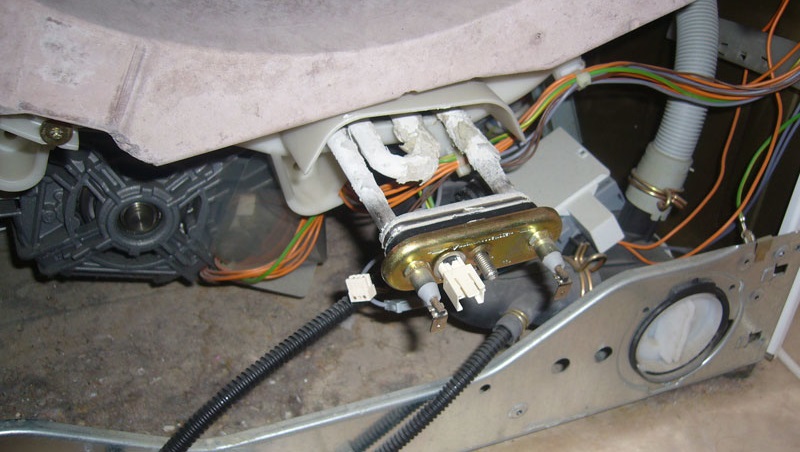
Also, if you notice that the heater is heavily soiled when you remove it, be sure to clean the element of any debris and scale. A lemon solution (200 grams of citric acid per 1 liter of water) will help. This will not only help you find your missing item, but also help you take preventative measures to remove dirt, debris, and scale from your personal "home assistant."
Interesting:

Readers' comments
Headings
Washing machine repair




For buyers




For users


Dishwasher




Add a comment