
Electrolux washing machine won't drain
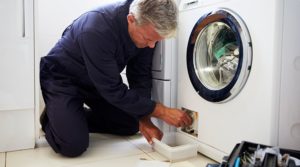 An automatic washing machine has long been a must-have in every modern home. The Electrolux washing machine is considered one of the most popular. And rightfully so. It boasts reliability, a durable design, and high-quality washing results.
Despite all the significant advantages, there is also a drawback. Typically, if the control panel lights up, the machine isn't draining. Let's try to figure out the source of the problem and what to do in this situation.
Why is draining impossible?
The first step is to figure out why the toilet isn't flushing. There are several possibilities.
- First, take a closer look at the hose; it drains water from the washing machine into the drain. Something from the washing machine could have gotten into it, blocking the water. If it's connected to a trap, the problem could be with the trap.
- Small items, such as coins or buttons, can sometimes get caught in the filter during washing. This clogged filter prevents the water from draining.
- There's a drain pipe inside the machine between the tank and the pump. Something might have gotten into it, preventing water from flowing through.
- The pump that pumps water may be the cause of the problem. In this case, you will also hear a distinctive humming sound. This part has a limited lifespan of up to 5 years.
Both the electric motor and the shaft with the plastic impeller can fail. Threads, laces, and hair often get tangled around the impeller, causing accidents.
If the washing machine has been working in your home for quite some time, then you need to pay attention to the electronic component. Breakdown is possible due to natural wear of the module or a sudden voltage surge.
The length of the drain hose can also be important. Traditionally, it's about one and a half meters long. The pump's capacity is designed for this length. If you recently decided to move a used washing machine and had to extend the hose, this could be the cause. Is your washing machine not only not draining, but also not spinning the laundry? Then you need to check the program setting. It's possible this feature is simply disabled.
Modern machines are typically equipped with an electronic display, which can help identify the cause of problems (the machine will display an error code). The manual also describes the combination of lights that indicate a problem in machines without a display.
There are problems that can't be fixed on your own. For example, when a washing machine fills with water and immediately drains it, the electronic module could be damaged, the water inlet valve could be broken, or the water level switch could be faulty.
First, let's remove the water.
So, once you've determined why the machine refuses to drain, you'll need to do it manually. There are several techniques you can use.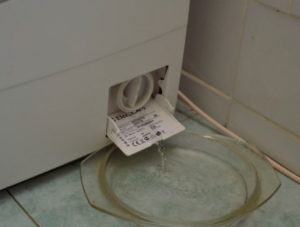
- Through the filter. Prepare a container to catch the water from the tank. Keep in mind that there will be quite a lot of liquid, so you'll need several. Unscrew the filter. The water should drain quickly. When the flow slows, tilt the machine forward and try to drain it completely.
- Unscrewed the filter, but no water comes out? That means the hose is clogged. Sometimes you just need to move it slightly, and the liquid will flow. Otherwise, you need to clean it, and then you can drain it.
- If your actions do not produce results and the water does not drain from the tank, you can lower a hose inside and drain it into a container located below.
In any case, your task is to try to ensure that there is no liquid left in the washing machine.
Procedure for finding and eliminating defects
Having dealt with the first problem, let's try troubleshooting. The very first thing you need to do is disconnect the power supply. If you drained the water through a filter, you've already checked to see if it was clogged and cleared the drain. If you drained the water with a hose, unscrew the filter. A small amount of water will drain. Have a container or rag ready. Check to see if anything has fallen into this compartment. You've followed all the steps above, but the machine still won't drain.
You need to check the drain hose. This will require some effort and some disassembly of the machine, removing the drain assembly mounting screws. Then remove the hose and feel it with your fingers. If there's a blockage, you'll be able to feel it. Once cleared, reassemble all the parts and tighten the screws.
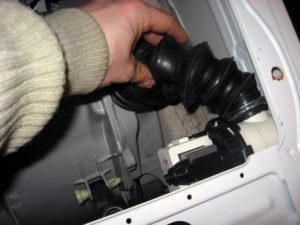
We've already mentioned that threads, hair, or laces tangled around the impeller can cause malfunctions. How can you check this? It's located just behind the filter. Try turning the impeller. If this doesn't work, it's jammed. You'll need to remove any obstructing objects. If after these steps the impeller does not start to spin, then the problem is inside the pump.
You can check for damage yourself. What should you do? Unscrew the filter. Set the washing machine to spin mode. Next, look into the drain hole. You can use a flashlight. The impeller will not be moving in your case.
But there are situations where the impeller rotates, but the machine still malfunctions. This usually happens in older machines. It works during the spin cycle, but not during the drain cycle. This occurs due to normal wear and tear of the components. A malfunctioning magnet can cause the pump to jam, and the machine won't spin.
Why does this happen? Magnets are located in a plastic cup inside the pump. Voltage is applied to its coil, causing the piston rod to move. A seal prevents water and dirt from entering. If it is damaged, the pump will malfunction.
After 7 years, the magnets themselves may become weaker, resulting in reduced pump power and malfunction.
The part will need to be replaced. You can easily identify this problem by the characteristic noise in the "Spin" mode. The program will not perform its intended function. The drain pump may need to be replaced.
The drain pump is to blame
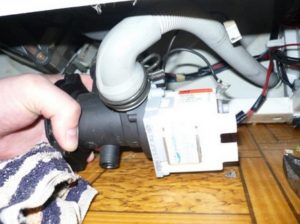 Based on the above, if your washing machine starts making a loud humming noise, but isn't spinning and is leaking water, the pump is faulty. This is a serious issue, but you can fix it yourself.
The replacement instructions begin with removing the drain assembly. Then, detach the drain pump. Disconnect the old wires. Swap the old and new parts. Reconnect the wires. Only then should you connect the washing machine to the power outlet. Then, perform a test wash. If the drain still doesn't drain properly, you'll need to call a service representative.
Use the machine correctly
So how can you avoid all these problems and extend the lifespan of your equipment? There are a few simple rules to follow.
- Pay attention to the parameters specified in your washing machine's manual. Specifically, the maximum load weight recommended for a single wash. Overloading the machine forces it to operate at its limits, which, of course, significantly increases the risk of an accident.
- Always check your clothes before loading them into the washing machine. First, check the pockets. Coins, earphones, candy wrappers, paper, pins, or even paper clips may be left in them. Second, check any small items on the garment, such as buttons, beads, and clasps. Make sure they are securely fastened. All these foreign objects can become a source of damage to your equipment if they accidentally get inside the structure.
- Enjoyvoltage stabilizer When connecting the machine to the power outlet, ensure that it is protected from strong power surges. These can significantly impair the operation of the electronic module or even damage it completely.
- Clean the filter regularly. It's recommended to do this every six months. However, checking it at least once a year will help prevent problems in the future. This is often the reason why a washing machine stops draining.
Don't be lazy; study the washing programs included with your appliance. Before using, check that the settings are correct. Perform an annual preventative cleaning to protect the machine's components from scale and dirt.
Add any descaling agent and laundry detergent. Set the program on the control panel to the highest water temperature. Without adding any laundry, run a full wash cycle. By following these simple tips, you'll extend the life of your washing machine and avoid damage.
Interesting:


1 reader comment
Add a comment
Headings
Washing machine repair




For buyers




For users


Dishwasher




Thanks for the simple advice.