
What happens if you don't clean your washing machine filter?
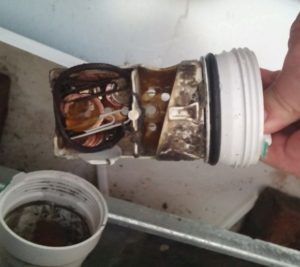 Surely everyone has heard about the need to periodically clean their washing machine's dust filter. Even the instructions for the machine clearly state how important this is. However, many people neglect this requirement, deciding to leave the machine alone until it breaks down. Let's look at what to expect if you don't clean your washing machine's filter and the consequences that an inconsiderate user will have to deal with. We'll explain how often you should clean this part and how to do it yourself.
Consequences of inattention to the filter
The drain filter is one of the most important components of a washing machine. The filter element protects the pump from debris, hair, and lint, which are always present in the water when washing clothes. Additionally, due to carelessness, keys, coins, buttons, and hairpins can end up in the drum; buttons and rhinestones can sometimes fall off. The stopper will also catch these items, preventing them from damaging the machine.
If you don't clean the waste filter in a timely manner, it will become clogged and the washing machine will not be able to drain water into the sewer.
Users who don't bother to clean out their trash bin may encounter the following:
- The drainage of wastewater from the tank will become difficult. If this problem isn't addressed, the washing machine will soon stop draining wastewater, requiring repairs;
- Some of the debris "caught" by the filter will still reach the pump, causing it to fail. A large foreign object lodged in the system will likely break the impeller blades, necessitating replacement of the drain pump;
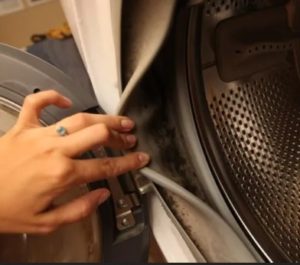
- The machine will emit an unpleasant odor. The foul odor will then spread to the washed laundry.
Now it's clear what will happen if you ignore the rules and don't clean the filter. In fact, cleaning the element is quite simple; the entire procedure takes no more than 15 minutes. Therefore, it's best to periodically remove any debris and dirt that accumulates during use to prevent serious damage to your automatic machine.
How often should I clean it?
Users concerned about the health of their "home assistant" are wondering how often to clean the "dustbin." Should it be done once a month, or is cleaning it once a year sufficient? Washing machine manufacturers recommend cleaning the drain filter every three months.
If the machine is used several times a day, the blockage will appear faster.
If you have a cat or dog in your home, you'll need to remove the filter more frequently—once a month. You should clean the filter plug the same amount every day if you use your washing machine. It's best to rinse the plug immediately after washing high-pile fabrics, blankets, soft toys, and woolen throws.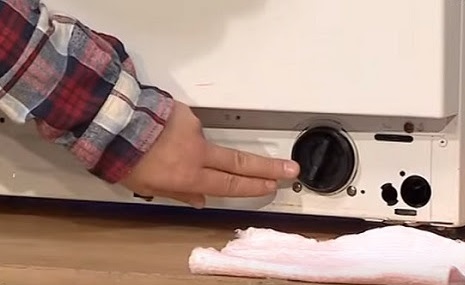
The following malfunctions in the washing machine will tell you that it’s time to “work some magic” on the filter element:
- difficult or completely non-functional drainage;
- Decreased spin performance. In this case, the water drains normally, but the clothes remain too wet;
- the wash cycle “slows down” approximately in the middle of the cycle and does not resume;
- It is not possible to start the Rinse or Spin program.
The user manual included with your washing machine explains how to properly clean the drain filter and how often it should be cleaned. It also provides a detailed procedure. Even if you've lost the manual, you can consult the instructions online, but you definitely shouldn't skip cleaning the unit.
Is it difficult to clean it yourself?
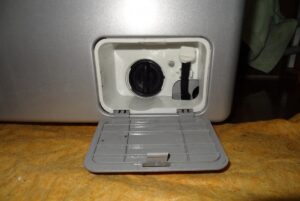
There's nothing difficult about cleaning the waste bin, and you don't need to call a professional. The drain filter is located near the washing machine's pump. The pump on both front-loading and top-loading machines is located at the bottom, usually in the right corner. This is where you'll find a service hatch or a removable panel covering the drain plug.
Cleaning a garbage filter doesn't require expertise. Even a homemaker can handle the task. Here's the procedure: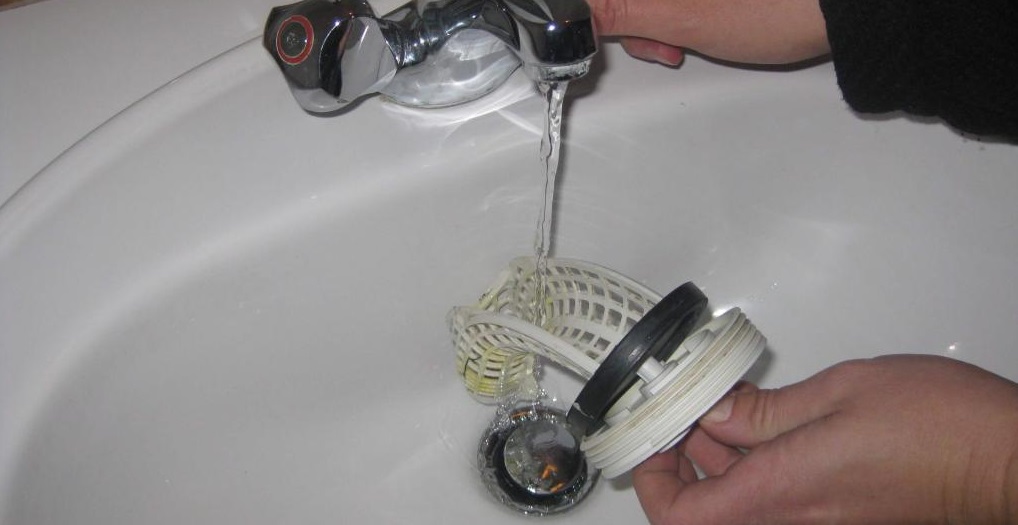
- turn off the power to the machine, turn off the water supply tap;
- Tilt the machine back slightly and place a shallow container underneath it. This will catch any water that flows out of the drain hole.
- cover the floor around the unit with dry rags;
- Remove the protective panel or open the service hatch. If the plastic is stubborn, you can pry the latches with a thin screwdriver;
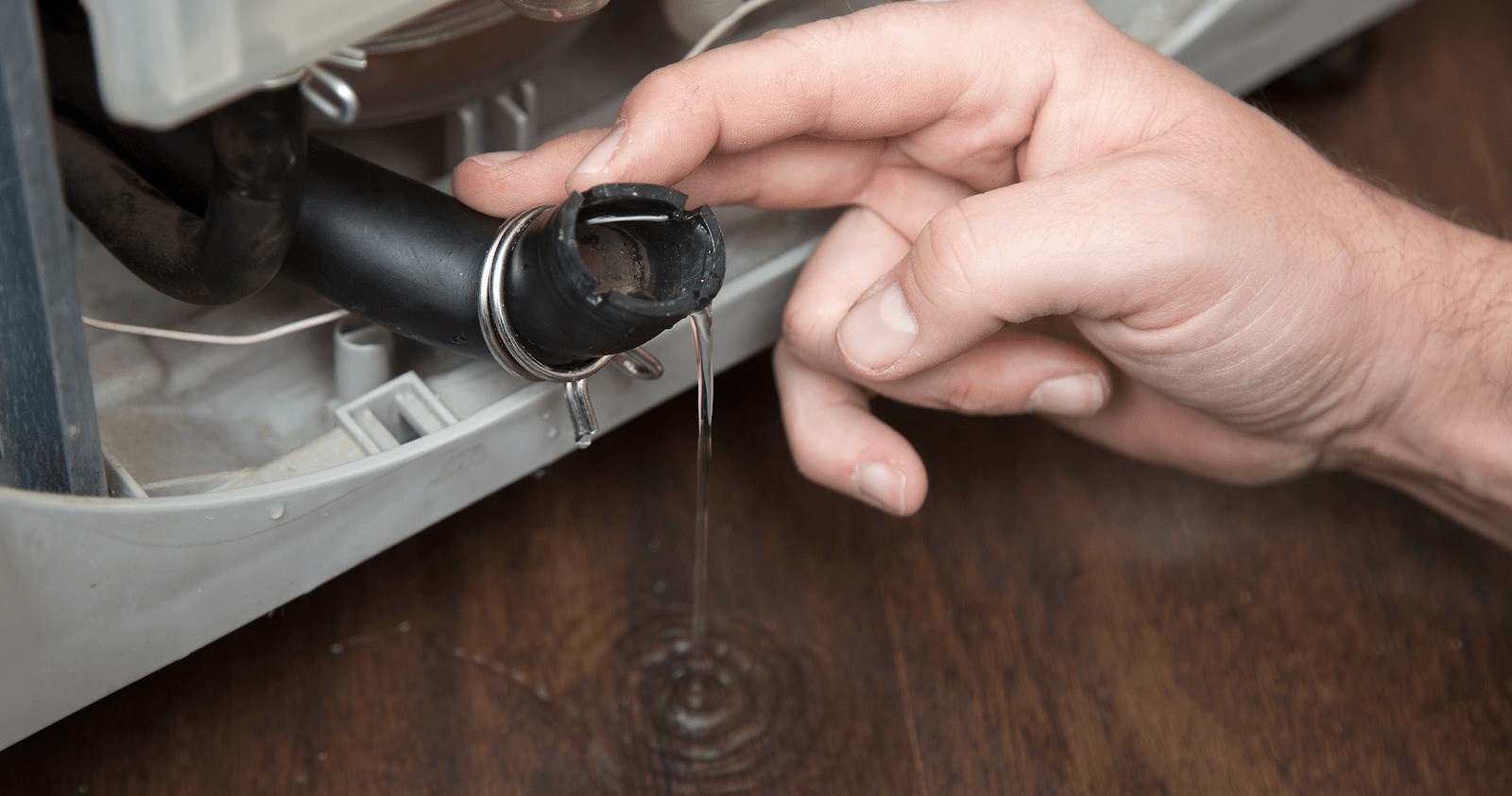
- If your model has an emergency drain hose, remove the tube, open it, and drain the water into a basin. Then, reinstall the hose.
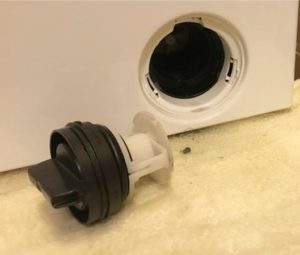
- Carefully unscrew the filter plug. First, unscrew it a quarter of the way, which will allow any remaining water to drain from the system. Then, gradually pull the element out of the housing completely. Some washing machine models may have a plug in front of the filter. In these cases, remove the plug first, and only then remove the entire unit.
- remove large debris and tangled hair from the removed part, wipe the surface with a damp cloth, and clean off any dirt;
- Rinse the filter under running warm water. Avoid using household cleaning chemicals, as they typically contain harsh ingredients that can damage the plastic element and rubber seal.
- Wipe the walls of the hole formed after removing the filter and remove any debris from it. Shine a flashlight into the cavity to see the impeller. If hair, thread, or other debris is caught in the blades, remove it. Use a long stick to check the impeller's movement; there should be no obstructions.
- Screw the clean filter element back into place. Be careful not to strip the threads.
Make sure the drain filter is properly seated in place.
If the waste container isn't installed properly, water will leak from under the plug during washing. Therefore, pay special attention to how the element is screwed in.
Next, open the shut-off valve and plug the machine into a power outlet. To check the cleaning process, run the "Rinse" cycle or another short program. This will ensure that the machine is not leaking.
If a puddle begins to form under the machine, complete the cycle, unplug the machine, and remove the drain filter, making sure to place a basin underneath to catch the water. Then carefully tighten the drain plug again. After successfully emptying the waste bin, all that remains is to install the protective cover or close the decorative hatch.
It's clear what will happen if you don't clean the drain filter. At some point, the washing machine simply won't be able to function properly. To prevent this, you should clean the filter element every 2-3 months, a procedure that only takes 15 minutes at most.
Interesting:


Readers' comments
Headings
Washing machine repair




For buyers




For users


Dishwasher




Add a comment