
Where is the pressure switch located in an Indesit washing machine?
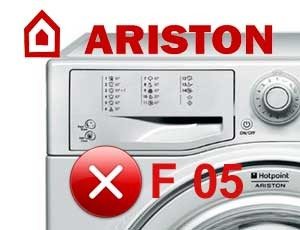
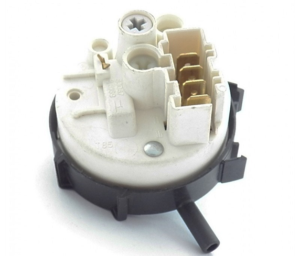 An "F05" error, a problematic filling, or an incessant drain in an Indesit washing machine indicates a problem with the pressure switch. However, it doesn't necessarily require replacement—cleaning and adjusting the device is often sufficient. To assess the extent of the problem and begin repairs, you need to understand the location of the water level sensor in your Indesit washing machine. Many DIYers have only heard of it in theory, without actually using it. Our article will help you get to know the sensor better.
Search for a sensor
Finding the pressure switch is easy. It's hard to confuse with other washing machine components and is easy to spot. You just need to find the plastic “washer” attached to the wall of the machine on the left side. But first, you'll need to remove the top cover of the washing machine. Here's how to do it.
- We find two screws on the back panel of the unit that hold the cover and unscrew them with a Phillips screwdriver.
- We stand behind the machine and, lifting the back part of the cover, move it towards ourselves until the latches “release” the part.
Do not pull the top cover too hard, as Indesit washing machines have tight latches that break if there is excessive resistance.
- If you can’t move the lid, go back to the end of the machine and, pressing on the lid, try to push it towards the back wall.
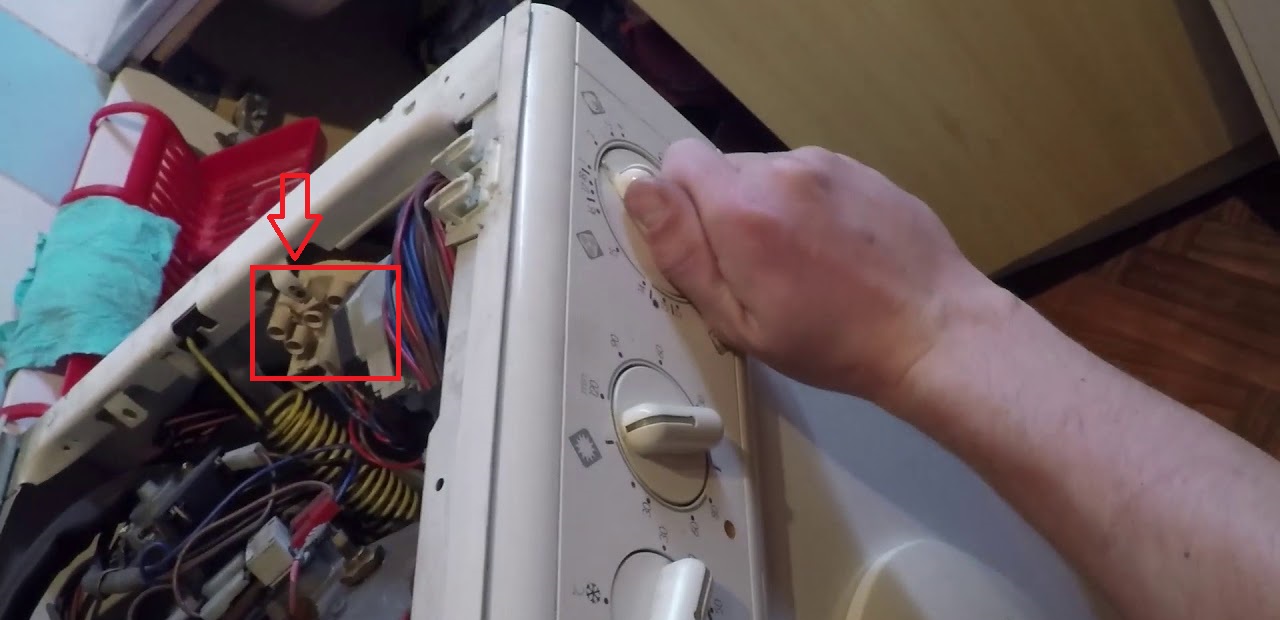
Trying to pry the cover off with a screwdriver or knife is strongly discouraged. This won't help; instead, it will only break the latches and make repairs more difficult. The key is to take your time, but patiently push the panel in one direction. Once it's released, you can peer inside the machine and easily see the pressure switch.
Signs of a faulty sensor?
You can confirm a faulty pressure switch by observing the washing machine's behavior. For example, if the system displays error code F05, the probability of sensor failure is 70%. If there are obvious problems with water intake or drainage, the probability rises to 85%.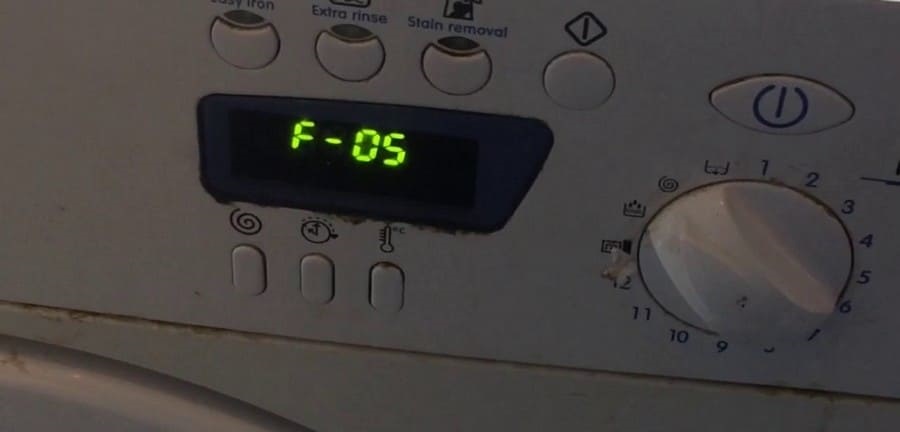
But it is better not to rely on these 30-15%, and to immediately begin diagnosing the device. The fact is that a faulty sensor will inevitably make itself known during the washing process and cause new problems. Moreover, the cost of the necessary repairs will increase significantly, since the heating element, pump and control board will be damaged.
Checking the element
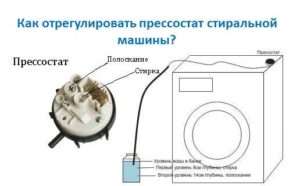
Knowing what a pressure switch looks like and where it's located means you can quickly diagnose it. Furthermore, the testing procedure is straightforward. Simply find a tube of the same diameter as the fitting, detach the pressure hose from the sensor, place it near the device, and gently blow. Then listen. If the pressure switch is working properly, the contacts will engage and you'll hear 2-3 clicks. If the device is silent, repair won't help—only a complete replacement.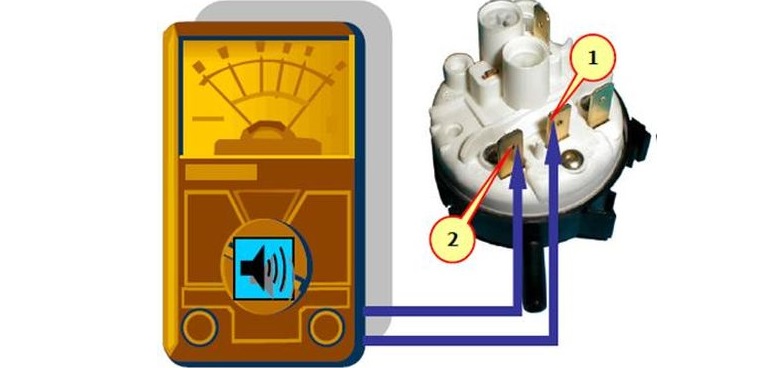
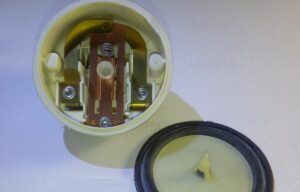
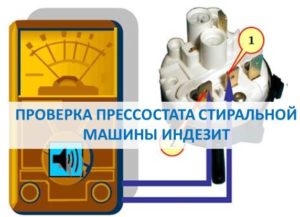
The diagnostics continue with an inspection of the part. It's important to check that the housing and hoses are not damaged and that the tube is not clogged. It is likely that excessive plaque is blocking the sensor, so rinse it under running water. Lastly, we check the pressure switch with a multimeter. Set the tester to resistance mode, connect the probes to the contacts, and read the readings. Normally, the readings change when the sensor is triggered.
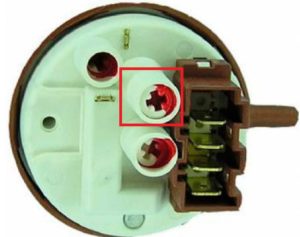
You can try adjusting a faulty sensor. To do this, tighten the screws on the contacts, determining the correct parameters for each program. However, it's best to leave this task to professionals rather than experimenting. Knowing the location of the pressure switch, you can monitor its operation and periodically check it using the procedure described above. This is simple to do, but it protects against more serious consequences.
Interesting:

Readers' comments
Headings
Washing machine repair




For buyers




For users


Dishwasher




Add a comment