
Where is the water level sensor in a Samsung washing machine?
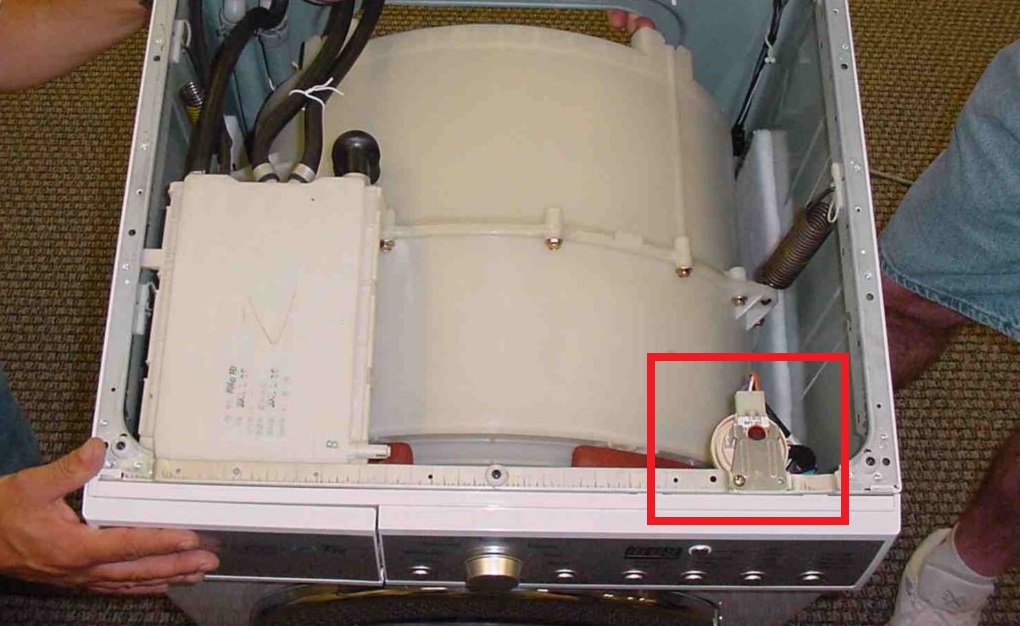
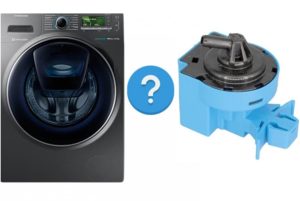
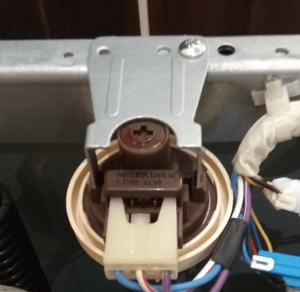 A special device, the pressure switch, is responsible for filling and emptying the washing machine drum. It registers the drum's fullness and transmits this information to the control board. If there are delays in filling or draining, the first step is to check the functionality of this sensor. The water level sensor in a Samsung washing machine is located under a cover near the right side of the machine. Now it's time to figure out how to distinguish it from other components, test it, and replace it.
Finding the part and initial testing
The pressure switch consists of a plastic washer and a long tube. Its convenient location makes it easy to find—the rounded cover is easily visible, and the fasteners holding it in place are easily and safely removed. However, it's important to understand that even removing the top panel from the body is considered disassembling the washing machine. If your washing machine is still under warranty, it's best to avoid tinkering with the machine and instead contact a service center.
In other cases, you can begin diagnosing the pressure switch at home. Here's how:
- we disconnect the equipment from the power supply and water supply;
- remove the screws holding the cover from the back wall of the case;
- push the lid away from you and lift it until the “top” comes off the grooves;
- we find the pressure switch “washer” on the right side of the front wall of the housing;
- unscrew the screw holding the housing and disconnect the fasteners-connectors;
- loosen the clamp with pliers;
- carefully pull out the pressure switch.
After removing the device, don't immediately test it with a multimeter. It's much easier and quicker to perform a quick test of the sensor's functionality using improvised means. Find a tube that matches the diameter of the pressure switch hose, place it against the fitting, and blow slowly. If you hear one or two clicks, the relay is responding correctly to pressure. Otherwise, there's no doubt the device is broken.
Operating principle
Besides the location of the pressure switch, it's also important to know how it operates. The root "press" evokes the right associations: the device operates based on pressure. Water filling the tank increases this pressure, and air moves upward through the tube. Once the air flow reaches a preset level, a contact closes, the membrane is activated, and the sensor sends a signal to the control board to stop filling. When the drum is empty, the process is reversed.
When the sensor stops responding to water and air flow, the pressure switch loses control of the tank's fill level, the electronic module doesn't receive a signal, and for safety reasons, it prevents the washing machine from starting. To restore the washing machine's functionality, a full diagnostic will be required to identify the cause of the malfunction. The most common causes are a clogged tube, a damaged device, or loose contacts.
Pressure switch coil test
In addition to the primary test, it is recommended to also conduct a secondary test using a multimeter. This test is the same for all pressure switches, both for Samsung, and for Bosch, LG, Ariston, Indesit and other manufacturers of washing machinesThe order of actions looks like this.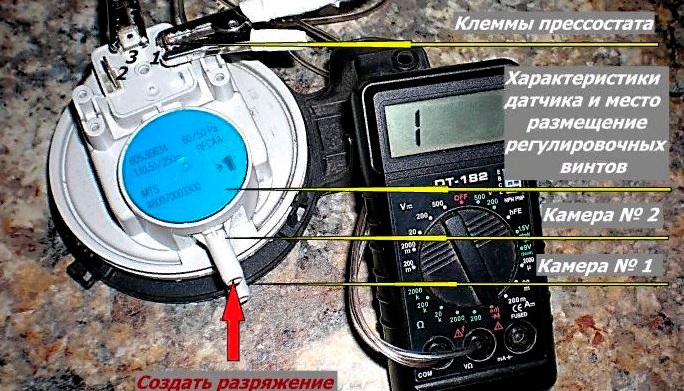
- We study the electrical circuit of the sensor, find the phase and zero.
- We set up the tester to measure resistance.
- We apply the multimeter probes to the corresponding contacts of the pressure switch.
- By blowing into the tube of the device, we create pressure.
- We are waiting for the membrane to work.
Now look at the multimeter display and evaluate the results. If the resistance value doesn't change when the relay is triggered, the sensor is faulty. A change in the reading indicates minor problems, such as a clogged or damaged tube. A crack in the hose is likely causing it to lose air and not generate the required pressure.
Replacing a pressure switch is quick and inexpensive. Typically, a replacement sensor costs around $3–$5, and installation takes 10–20 minutes.
Interesting:

Readers' comments
Headings
Washing machine repair




For buyers




For users


Dishwasher




Add a comment