Where is the pressure switch located in an LG washing machine?
All washing machines are equipped with special sensors that monitor various processes within the machine. The pressure switch is one such element; it monitors the water level and, based on its readings, signals the washing machine regarding the wash process. LG's water level sensor is located at the top of the machine, close to the wall. Finding, checking, or replacing it is easy.
What is this part and how does it work?
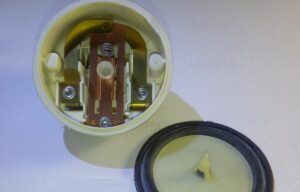
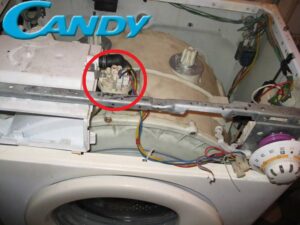
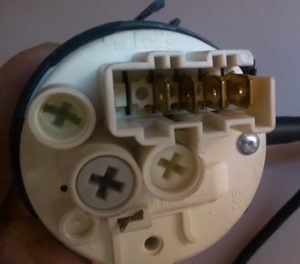
To access the pressure switch, you need to remove the top cover of the washing machine. Simply unscrew the screws holding it in place. Near the side wall (in the corner), you'll see a ribbed plastic object, shaped like a washer. It may or may not be multicolored; it doesn't matter. Wires run to it from both sides of the machine, and a thin tube runs from the end.
Important! Some models have a different configuration: the pressure switch is more compact, and the wires are located only on one side, while the other side is still the same thin tube.
For many, the root “press” probably evokes associations with pressure, and this is correct. In fact, the sensor is triggered not by water, but by the pressure it creates when pouring into the tank. The higher the pressure, the greater the force of the air passing through the plastic tube to the sensor. The air presses on the membrane, which closes a specific contact, and the electronic control module receives a command to stop filling with water. The same process occurs in reverse.
If the sensor doesn't respond to water and the washing machine, therefore, can't start, you need to figure out what's causing the pressure switch failure. In this case, the problem lies either in the contacts or the relay itself.
We will find and check the part
No matter how easy it may seem to check the pressure switch, don't rush into action. There's no guarantee the problem is with the water sensor, and if your machine is under warranty, no one will repair it if you disassemble it yourself. So think carefully before you pry inside the unit. If you do decide to proceed with the inspection, follow these steps:
disconnect the washing machine from the power supply;
remove the top panel of the machine by unscrewing the bolts holding it;
inspect the right wall of the housing, where, in theory, the pressure switch is located, make sure that you see it;
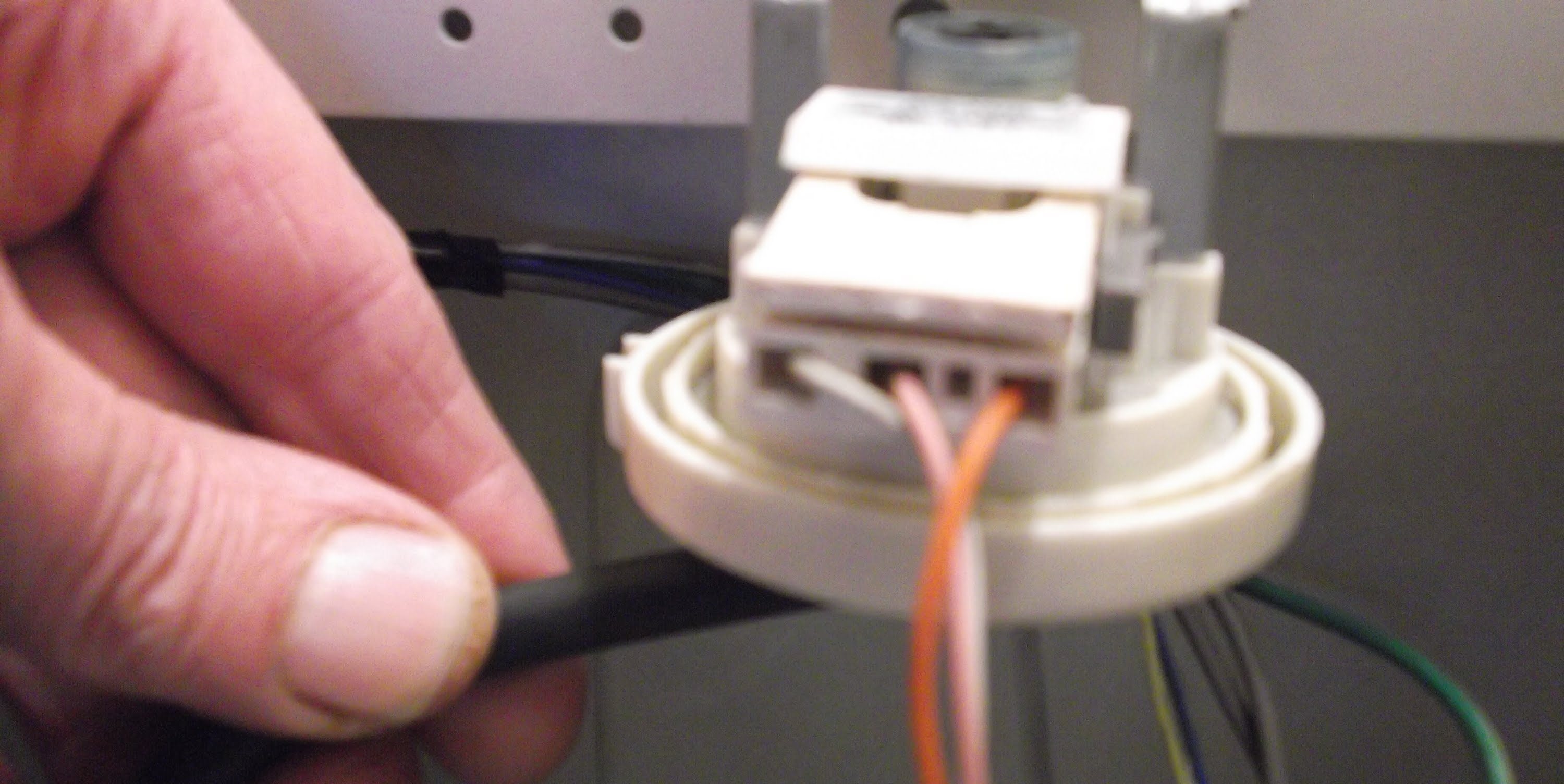
unscrew the screw and remove the connector so that you can then easily remove the pressure switch from its position;
Now the part is held in place by one clamp, open it with pliers and remove the sensor.
Don't rush to test the device with a multimeter. You can check the pressure response with improvised means. Take a small piece of tube (identical in size to the real one) and attach it to the device, then blow into it. If you hear a click inside, it means the relay is responding to pressure; if not, it is faulty.
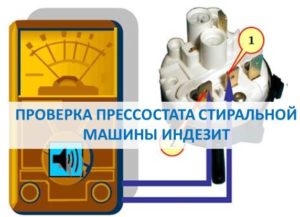
Checking with a multimeter
The method described below can be used to check not only the pressure switches in LG washing machines with direct drive, but also the sensors in Ariston, Bosch, and Samsung units.
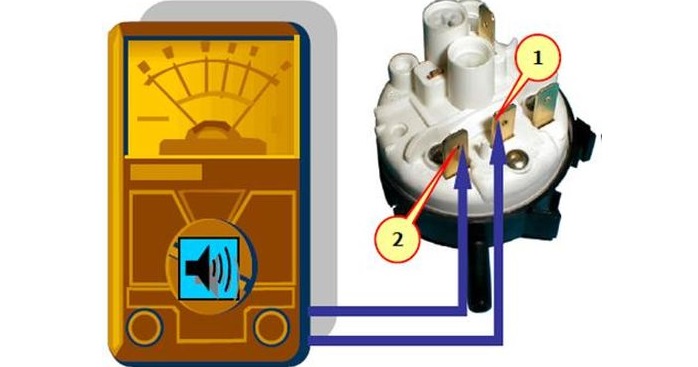
Place the electrical diagram of the sensor in front of you.
Connect the multimeter probes to the corresponding contacts.
Create pressure in the tube yourself so that the membrane works.
Check your multimeter. If the resistance value doesn't change when the sensor is triggered, the pressure switch will need to be replaced. If everything works as expected, the problem may be in the tube. Even a small hole will allow air to pass through, preventing the necessary pressure from reaching the relay.
Good afternoon! Could you please tell me that I replaced the water level sensor on my LG 8kg, but it's taking on a lot of water. What should I do next? Yes, I checked the sensor hose. Everything is fine.

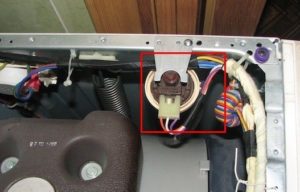 All washing machines are equipped with special sensors that monitor various processes within the machine. The pressure switch is one such element; it monitors the water level and, based on its readings, signals the washing machine regarding the wash process. LG's water level sensor is located at the top of the machine, close to the wall. Finding, checking, or replacing it is easy.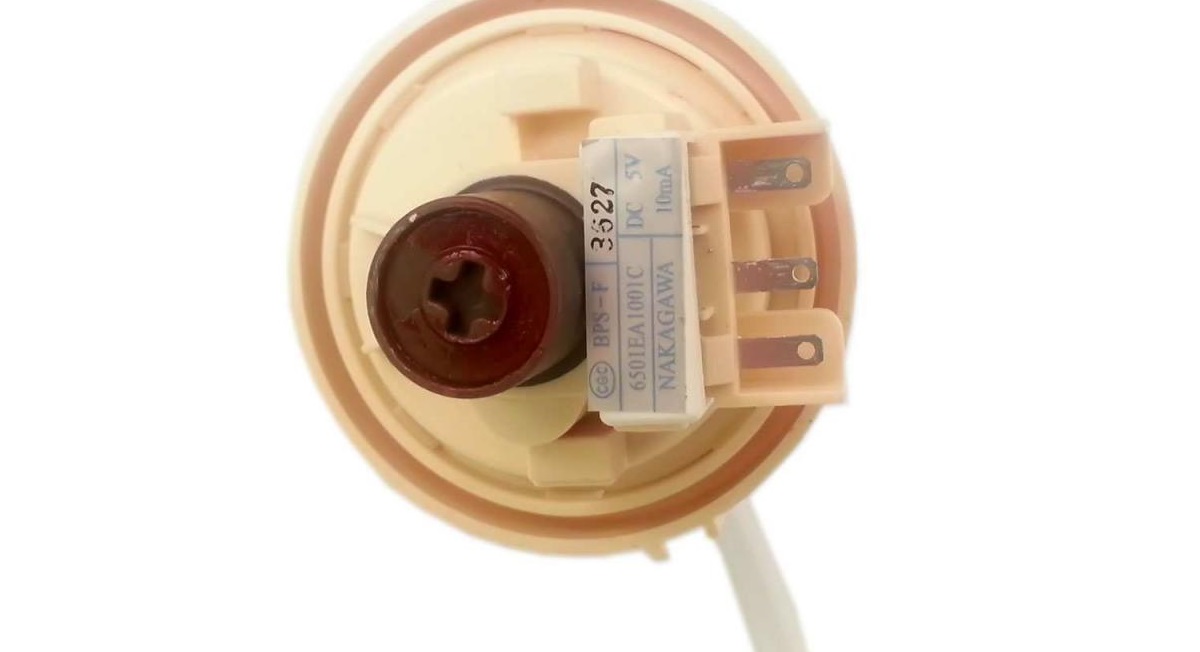
















Good afternoon! Could you please tell me that I replaced the water level sensor on my LG 8kg, but it's taking on a lot of water. What should I do next? Yes, I checked the sensor hose. Everything is fine.
Good afternoon, could you please tell me what a flow sensor is in a washing machine?