
Where is the filter in a Samsung washing machine?
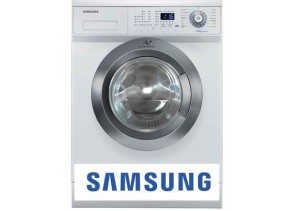
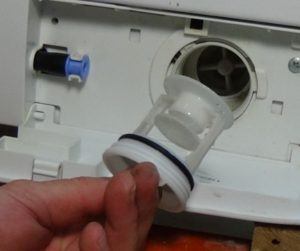 The manufacturer recommends periodically cleaning household appliance parts to extend their lifespan to 10-15 years. This is easy if you know where the Samsung washing machine filter is located, how to remove it, and how to clean it from dirt and scale. The main thing is to proceed carefully and follow the instructions.
Search for a part
Modern Samsung washing machines feature a filtration system. Specifically, this consists of two filters located at opposite ends of the machine. Despite their different locations and designs, they perform the same function: protecting the washing machine from debris and other foreign objects. The following filters are installed in the machines:
- Inlet. Located at the very entrance to the machine, behind the inlet hose. It is necessary for the initial purification of water from impurities, scale, rust, and small debris, which are common in the central water supply.
- Drain. Also called a drain or trash filter, it's located at the outlet of the machine, unlike the inlet filter. The trash filter protects the pump and drain hose from debris and other foreign objects that get into the drum. For example, if coins or keys fall out of a pocket during a wash cycle, the filter stops them, preventing them from flowing down the drain, clogging the impeller, and damaging the hoses.
The manufacturer recommends installing additional filters in the washing machine to soften tap water.
The most common area that needs cleaning is the "dustbin." Locating the drain pump filter is easy—just look for the access door on the lower right side of the housing. Simply pry it up with a flat-head screwdriver and release the latches. The filler screen, hidden next to the inlet hose, is also easy to find. Knowing when the filters need cleaning is simple. Just look for the signs of a clog.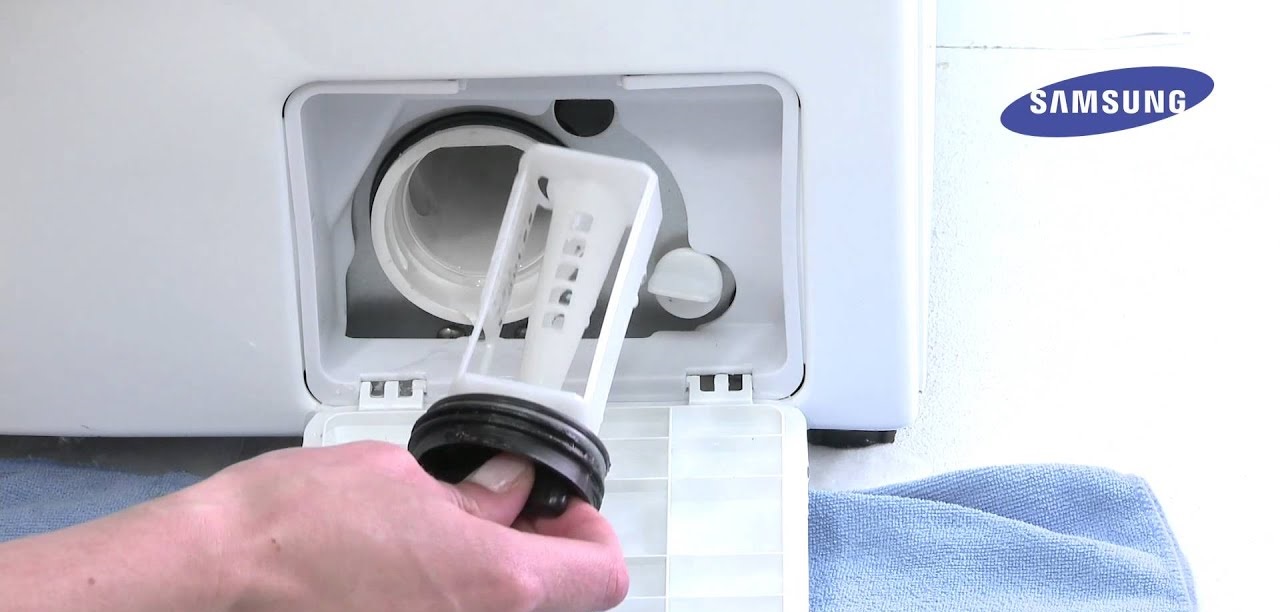
Signs that cleaning is needed
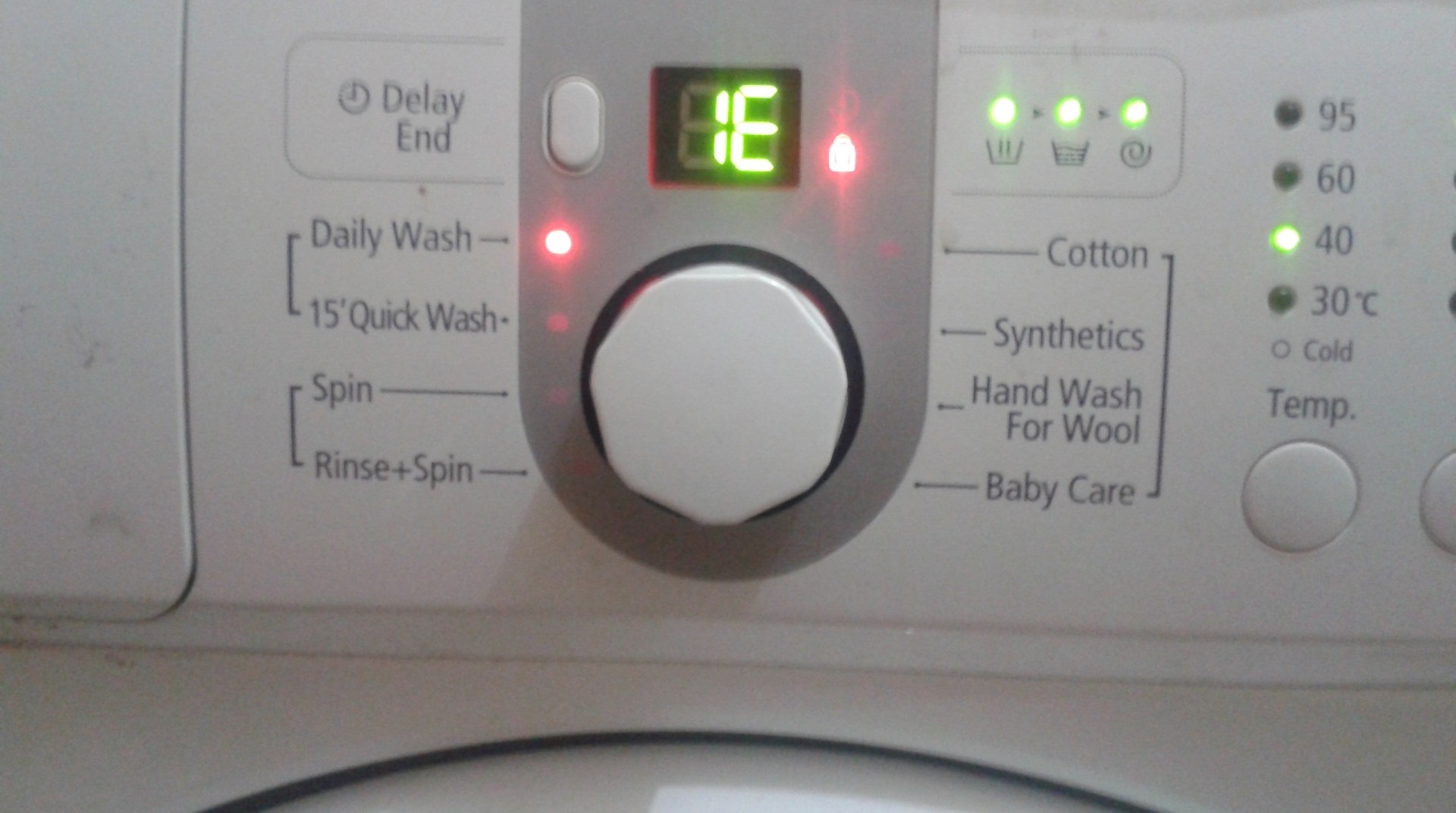
The first thing that will detect a clogged filtration system is the self-diagnostic program. Modern Samsung washing machines are equipped with intelligent controls, allowing them to automatically detect internal component malfunctions. The key is to know which error codes indicate clogged waste bins.
Thus, combinations of 5E, 5C, or E2 indicate problems with the drain and debris filter, while 4E, 4C, or E1 indicate poor water intake. When the electronics fail, you'll have to rely on secondary symptoms to determine the problem. These include the following "symptoms":
- the water drains very slowly;
- the drum does not empty at all;
- the machine stopped but did not drain the water;
- the laundry was not wrung out well;
- the system automatically cancelled rinsing and spinning;
- The washing machine does not fill with water and does not start the cycle.
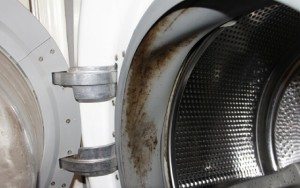
Another warning sign is an unpleasant smell coming from the washing machine. The accumulated waste, under the influence of the detergent, begins to rot and release a corresponding “aroma”. But it’s better not to delay until the last minute, but to clean the filters on a scheduled basis.
Cleaning the trash filter
Let's reiterate, the waste filter is hidden behind the access door. Unlatch the latches, locate the emergency drain tube, and drain the remaining water from the machine. Beforehand, place a rag, old newspapers, or a container under the opening. Then, proceed as follows.
- We unscrew the screw holding the "trash can".
- We take the filter handle and rotate it counterclockwise.
- If the filter does not budge, treat the part with a cleaner such as WD-40 and wait 20-30 minutes.
- We take out the coil.
Now let's get to the actual cleaning. Remove any dirt and rinse under the tap.
Cleaning the intake valve mesh
Before cleaning the inlet filter, disconnect the machine from the power supply. Then, move the machine away from the wall, place a container underneath, and disconnect the inlet hose. Next, locate the mesh strainer and remove it from the hose with pliers.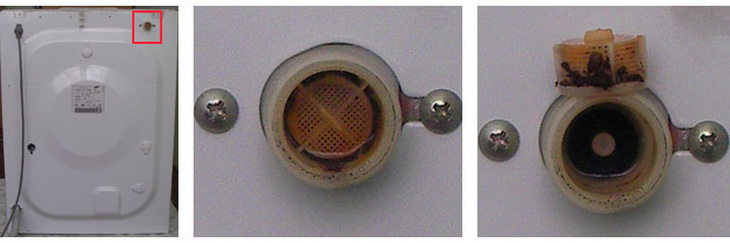
Clean the mesh under running warm water. If heavily soiled, treat the filter with baking soda and a brush, soak it in a lemon solution, or replace it with a new one.
Interesting:
Readers' comments
Headings
Washing machine repair




For buyers




For users


Dishwasher




Add a comment