
Where is the filter in a top loading washing machine?
 On the vast majority of front-loading washing machines, the drain filter is located in one place—the lower right corner behind the decorative panel or service hatch. However, on top-loading machines, the waste bin can be hidden in unexpected places. We'll explain where to look for this element for owners of top-loading machines.
Where is the filter hidden?
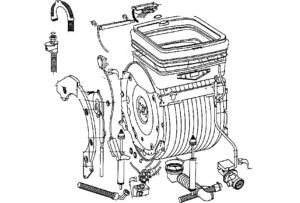
The filter in a top-loading washing machine can be located in different places, depending on the brand and model. It's best to check the instructions for your appliance - they'll describe the washing machine's structure and provide a diagram of the main internal components.
Many top-loading washing machines have a debris filter built into the drum.
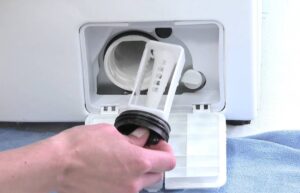
Removing the drain filter from a vertical washer is much easier than removing it from a standard front-loading washer. Simply unplug the machine, lift the top cover, and open the drum doors. There's a hatch at the bottom of the centrifuge that looks like this: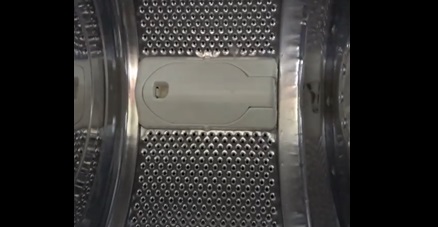
The plastic door opens very easily—just gently tug the tab with your hand. Inside, you'll find a mesh filter that collects debris. Remove the filter element and rinse it in warm water. If there's any residue on the walls, you can brush it off with a regular toothbrush.
Don't forget to clean the filter seat. Be sure to remove all debris from the hole. If the system hasn't been cleaned for a year or more, you may find a lump of dirt inside. Wipe the area with a damp cloth and reinstall the new filter.
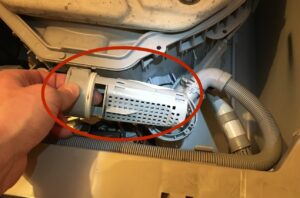
On some top-loading automatic machines, such as Siemens models, the drain filter is located not in the drum, but in the lower left corner of the machine. The "dustbin" is hidden behind a familiar decorative panel or a service hatch. In this case, you'll need to unscrew the element's plug from the machine.
The procedure is the same as for cleaning the front camera filter. You need to:
- de-energize the automatic machine;
- turn off the water supply tap;
- Place a container under the washing machine body and cover the floor around the machine with dry rags;
- open the hatch or remove the false panel;
- unscrew the "trash can";
- rinse it in warm water, clean the seat from dirt;
- Screw the filter back in.
Afterward, be sure to run a test wash. If the filter is installed unevenly, the machine will leak. Therefore, be sure to monitor the machine's operation.
How often should the filter be cleaned?
To ensure the drain filter performs its intended function, it must be cleaned regularly. Otherwise, the machine's operation will be disrupted. Water will drain too slowly from the tank.
A clogged filter element makes it difficult for water to drain into the sewer and can cause the drain pump to fail.
Therefore, it is important not to forget to service the "trash bin". Experts recommend cleaning the drain filter every 2-3 months. The frequency of this procedure depends largely on how often you use the machine and what fabrics you wash. The dust filter clogs faster if you have pets in the apartment. Pet hair can be found on your pets' clothes and end up in the machine's drum, where it eventually settles on the parts. In this case, cleaning should be done at least once a month.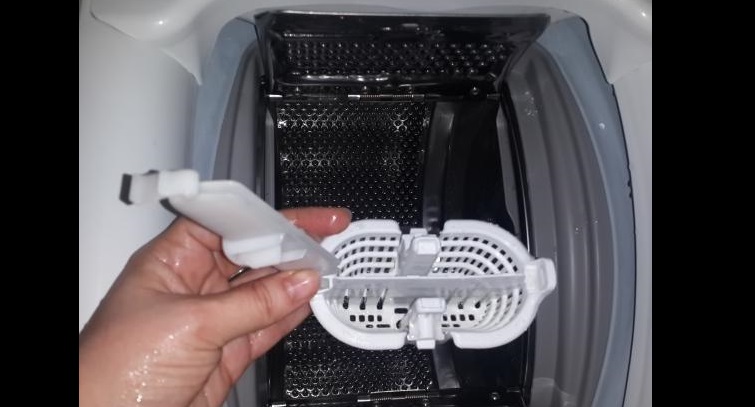
To prevent clogged drains, remember to shake out clothes before loading them into the drum. Heavily soiled laundry should be soaked in a basin before loading. Be sure to check pockets—items left in them could end up in the waste bin and cause problems with the machine.
Don't neglect cleaning
Failure to clean the drain filter can lead to a number of problems. A clogged filter can cause:
- An unpleasant odor will begin to emanate from the washing machine and the laundry. Dirt and debris accumulated in the filter are an excellent breeding ground for harmful microorganisms. This "lump" will ferment in the washing machine for months, emitting a foul odor;
- Water will drain with difficulty. A clogged filter will prevent proper drainage. The element may become so clogged that wastewater will stop flowing out of the tank altogether;
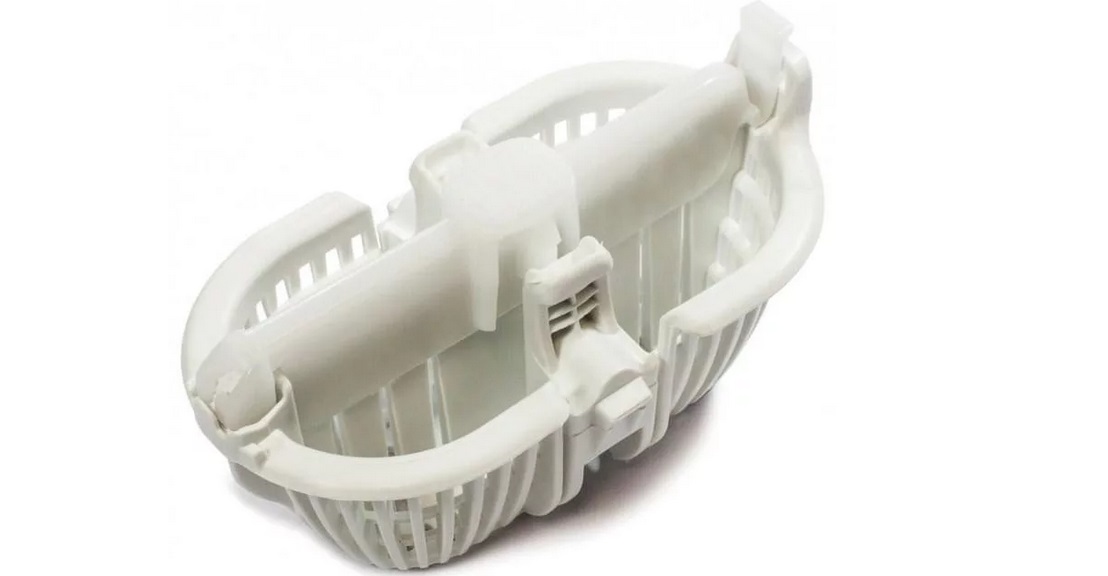
- The pump will fail. If the filter is clogged, the pump will have to work harder to pump water. The increased load will cause the element to burn out.
To prevent these situations, remember to clean the drain filter. This is a very quick procedure, taking only 10-15 minutes. By following the proper care instructions for your automatic washing machine, you'll extend its service life.
Interesting:
Readers' comments
Headings
Washing machine repair




For buyers




For users


Dishwasher




Add a comment