
Location of the drain pump in an LG washing machine
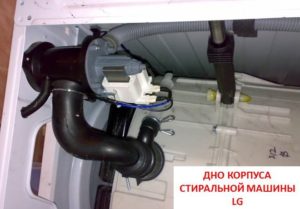 Removing the pump from a washing machine is a quick and easy task. However, to complete the task, you need to know where the drain pump is located in your LG washing machine and how to remove it. You'll find all the answers to dismantling the machine's drainage system in the instructions below.
Finding the part
In LG washing machines, the pump location is similar to that of models from most household appliance manufacturers. The pump is located at the bottom of the housing and is firmly fixed to the snail, into which the debris filter is installed and a pipe from the tank is connected. Thus, water from the tank enters the drainage system, and due to the closed and hermetic design, the waste liquid is easily directed into the sewer.
When working with equipment, follow safety rules: turn off the electricity and shut off the water!
To get to the pump, you don't need to disassemble the machine - just access it through the bottom of the unit using a fairly simple procedure.
- Disconnect the washing machine from the power supply, water supply and sewerage system.
- In the lower right corner of the case we find a technical hatch and open it with a slotted screwdriver.
- Tilt the machine back so that the front legs are raised 10-30 cm above the floor.
- Place a container under the machine and cover the area around it with old rags – water will flow out when you open the drain filter.
- We remove the debris filter by unscrewing the retaining bolt and turning the nozzle “handle” half a turn.
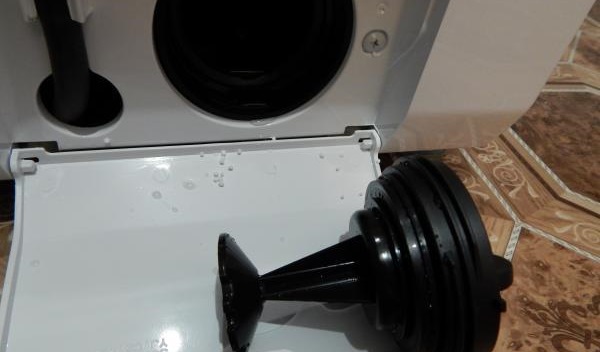
- Peer through the bottom of the machine and look at the pump. If you can't see the pump, you can turn the machine over onto its left side (laying the washing machine on its right side is strictly prohibited, as any water remaining in the drum and pipes could leak onto the electronics).
- By turning the pump counterclockwise, we try to “sink” it into the housing, after which the mechanism will give in and allow itself to be removed.
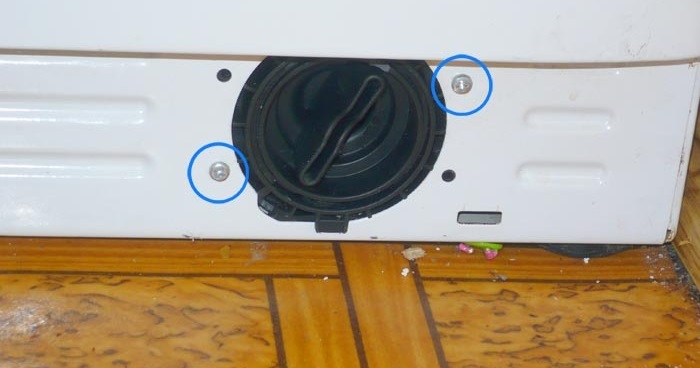
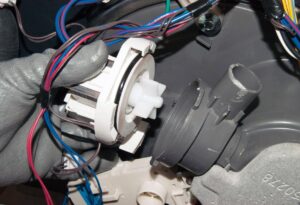
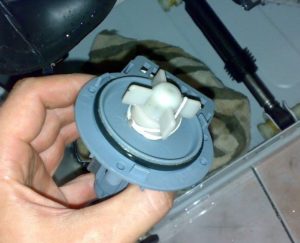
Before pulling the pump toward you, carefully disconnect the wires, loosen the clamps, and remove the hoses. The pump will then slide freely out of its mounting.
Why does the pump require attention?
The pump is often called the "heart" of the washing machine, as it ensures water circulation. However, along with the wastewater, dirt also gets into the pump. Much of it remains in the tub, drum, and debris filter, but some also reaches the drain mechanism. If the unit isn't cleaned regularly, the machine will stop washing. The pump becomes dirty for various reasons:
- too hard and dirty water;
- poor quality and unsuitable detergents;
- debris from clothing, including forgotten coins, hair, wool, buttons.
You can avoid clogging. You just need to carefully check your pockets, choose high-quality washing powder for automatic machines, and wash your clothes in special bagsRegularly cleaning the waste filter and thoroughly cleaning your tap water will also help your heart.
Cleaning instructions
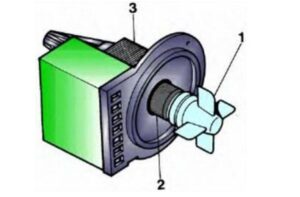
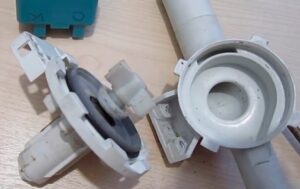
Cleaning the pump involves a specific sequence of steps. First, remove any foreign debris from the pump impeller. Use a flat-head screwdriver, unscrew the two side screws, and locate the small ring with the blades. This ring needs to be cleaned of any threads, hair, fur, or stuck coins that may have gotten caught in the spiral. Once the mechanism starts spinning freely, move on to the snail.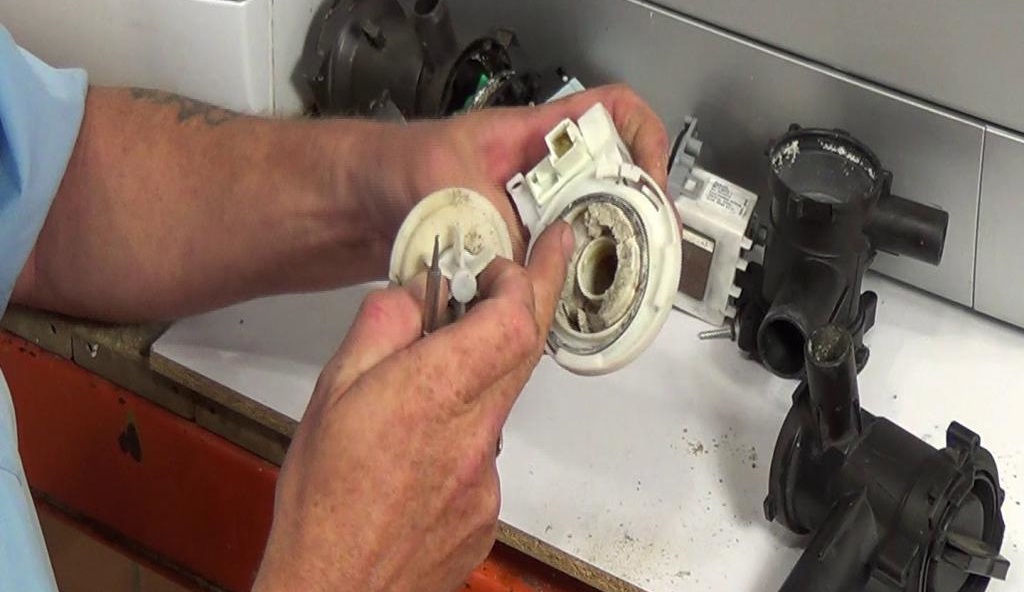
The volute is the pump's mounting surface, and it should also be cleaned thoroughly. We also collect any debris and wipe away any scale buildup both inside and out with a rag. After a thorough cleaning, reassemble the pump and return it to the volute. For successful installation, proceed in the same manner, but in reverse order. Don't forget about a test wash, and if the machine washes without leaks, alarming hums, or stops, everything is done correctly.
Knowing the pump's location and the steps to remove it allows you to regularly clean it and the surrounding drainage system components of accumulated debris. This will ensure the "heart" of your washing machine lasts much longer.
Interesting:
Readers' comments
Headings
Washing machine repair




For buyers




For users


Dishwasher




Add a comment