
Do you need to iron your clothes after using the dryer?
 There are as many opinions as there are people. Some housewives complain that their laundry becomes so overdried after using the dryer that it's simply impossible to iron properly without an iron with a powerful burst of steam. Meanwhile, other housewives rave about the performance of their "home helper," as ironing after using the dryer is completely unnecessary. Supposedly, with the right drying settings, clothes dry evenly and wrinkle-free, saving time and eliminating the need for an iron. Let's find out how things really work.
Is ironing required after tumble drying?
First of all, it's worth noting that everyone has their own tastes and requirements when it comes to appearance. Many modern people believe there's no need to waste time ironing at all, as it's enough to wash the clothes, hang them up to dry, and put them away in the closet, and the wrinkles will disappear naturally with wear. And even if they don't, there's nothing to worry about. This idea has come to our people from people in other countries, who often don't think about their appearance, preferring relaxed looks over formality.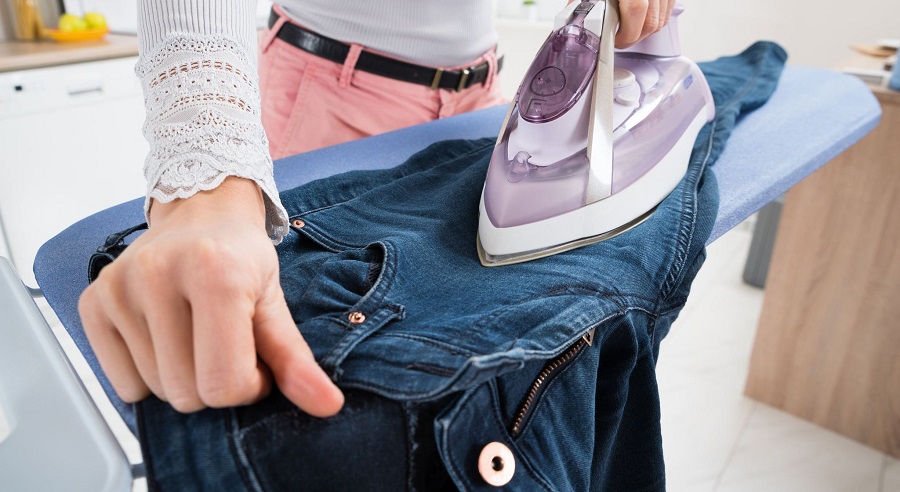
It's logical that those who prefer a conservative style don't accept this approach, so they continue to iron not only classic shirts and trousers, but even jeans, T-shirts, shorts, and all other clothing. People with this mindset won't be satisfied with the quality of their clothes after drying, and they'll definitely want to remove any wrinkles. It's true that a tumble dryer won't remove every wrinkle from your clothes, but it can reduce the amount of wrinkles if you use the machine correctly. Here are some recommendations on how to make your life easier.
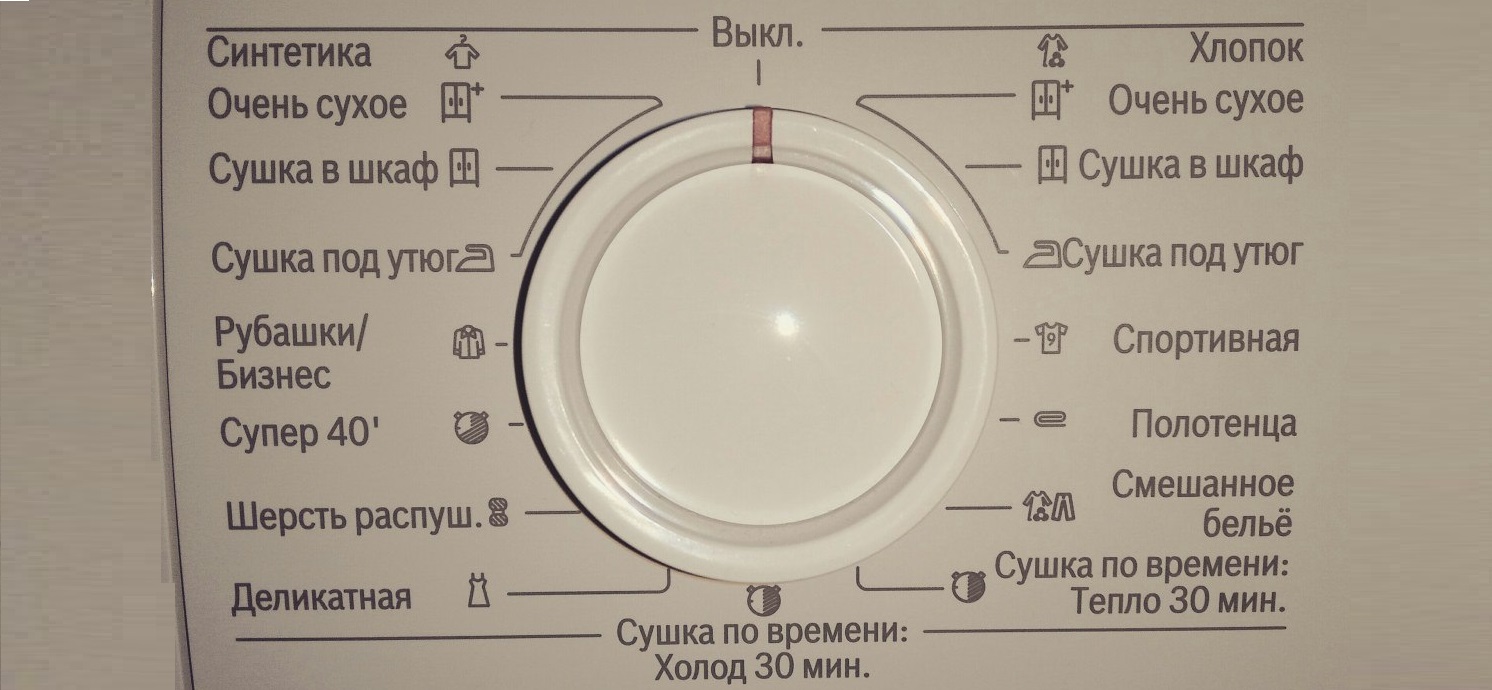
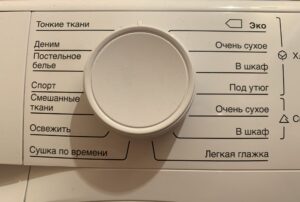
- Choosing the right drying mode is half the battle, as programs must be tailored strictly to the type of garment or fabric used. Simple machines offer a limited selection of modes, limited to specific categories, such as "Cotton," "Delicates," "Synthetics," and so on. However, more expensive machines offer a choice of specific categories, such as "Jeans," "Shirts," "Bed Linen," and so on. And these aren't just empty words, as each program has its own settings, temperature, and drying time to prevent overdrying. For example, a shirt setting will leave fewer wrinkles and dry items at a gentler pace.
- Following the manufacturer's load recommendations is also very important. For example, if the machine's maximum load is 8 kilograms, it's not recommended to load it with more than 4 kilograms of synthetic clothing or jeans. As for shirts, it's best to dry them in small batches of 1 kilogram at a time, otherwise they may become heavily wrinkled during the drying process, making them virtually impossible to iron.
Be sure to read the official instructions to understand the maximum number of items you can load into the machine at one time to avoid damaging your clothes and making ironing more difficult.
- Either remove clothes from the drum immediately or activate the Anti-Crease function. Manufacturers recommend removing clothes immediately after drying to prevent them from lying static and drying out. However, if you can't remove the clothes in time, you can activate the Anti-Crease function. In this mode, the drum will rotate even after the main drying cycle has finished to prevent creasing.
So, just three simple steps can make your life easier after using the dryer.
What things will be damaged by the dryer?
Not all clothes are safe to put in the dryer. Items made of delicate materials like silk, lace, wool, and knitwear require special care. High temperatures can damage these garments, and they can also shrink. However, there is a solution: you can protect your woolen clothes using household appliances that are certified by Woolmark.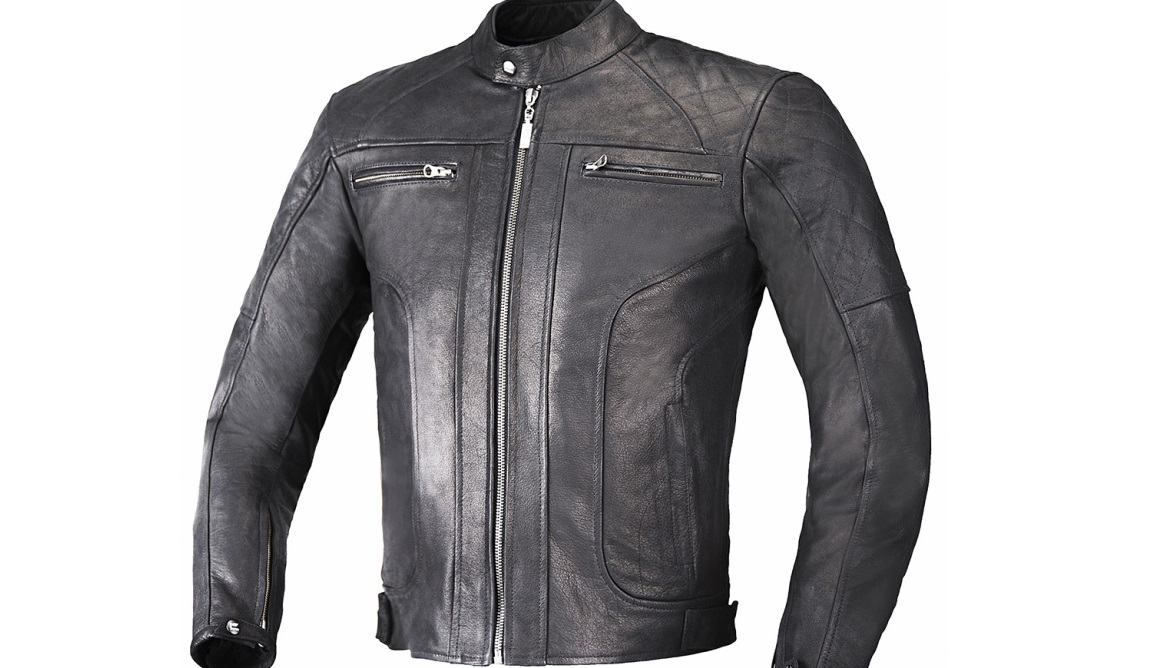
In addition to the fabrics listed above, garments made of tulle, cambric, nylon, and leather should not be tumble dried. Also, avoid items with appliqués, rhinestones, embroidery, and other stylistic elements that could come loose or peel off. Such items should be dried using the standard method, hanging them on a line. In any case, if you're unsure whether a particular item can be tumble dried, check the manufacturer's label. Even if it doesn't list the ingredients, it will definitely indicate whether it's safe to tumble dry.
Interesting:



Readers' comments
Headings
Washing machine repair




For buyers




For users


Dishwasher




Add a comment