
Should I iron my clothes after tumble drying?
 When automatic washing machines were invented, it was a true revolution for countless homeowners. Then, along with washing machines, dryers emerged, freeing people around the world from the need to spend days drying laundry on balconies or in apartments. But people get used to everything, and now people are asking for automatic ironing machines to avoid the hassle of ironing after washing and drying. However, some argue that ironing clothes after the dryer is unnecessary if they are properly loaded into the drum. Let's find out if this is true.
A tumble dryer is no substitute for an iron.
To their credit, tumble dryer manufacturers are continually adding new modes that allow for minimal ironing after drying, but unfortunately, they don't replace proper ironing. Some items do require no ironing after automatic drying, but this is more a function of the fabric than the dryer.
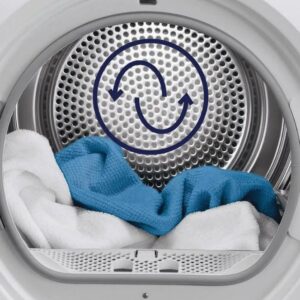
There are two basic rules for making clothes less wrinkled after drying: first, choose the right setting depending on the type of fabric, and second, maintain a balanced load. If you spread your items out in the drum and iron them thoroughly, they will dry well and be almost wrinkle-free. But if you roll your clothes into a tight ball and fill the drum to capacity, the clothes will dry worse and will be very wrinkled.
Note: To minimize creasing in the dryer, use programs such as "Iron" or "Cupboard."
Special modes have almost no mechanical impact on the laundry, but only actively blow hot air onto the stacks of clothes.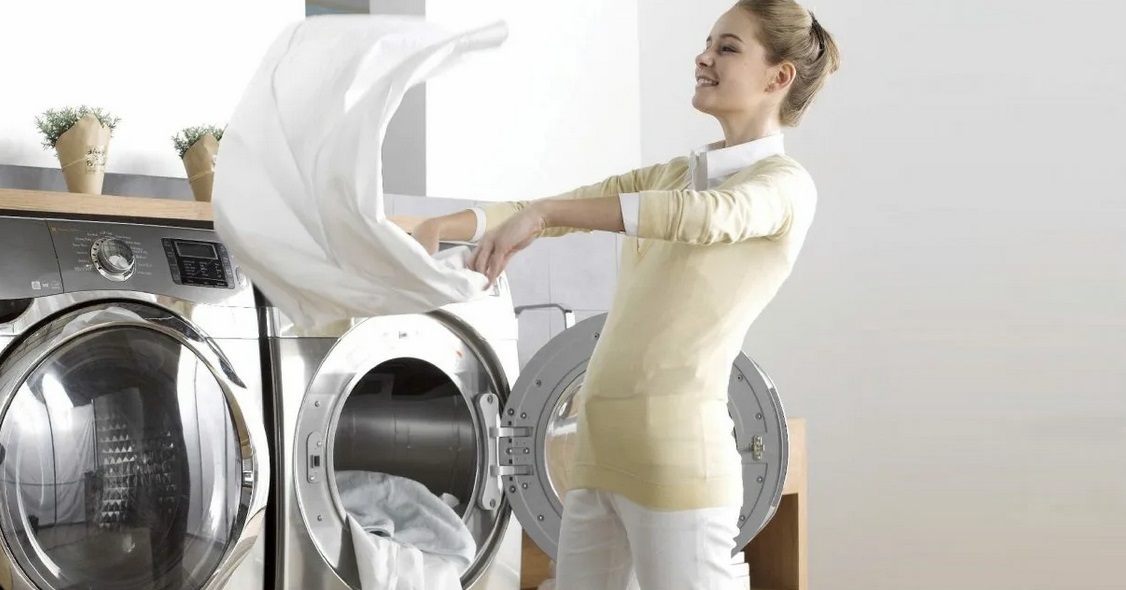
It's also not recommended to leave your laundry in the dryer after the cycle has finished. The longer it sits there, the more difficult it will be to iron, as it will cool and become frosty. While the laundry is still warm, shaking it out will be sufficient to restore its shape (you can easily do this without an iron). If there are any wrinkles, ironing them out will be easier than ironing on cooled fabric.
Instructions for using a tumble dryer
It's not a big deal if your laundry comes out of the dryer wrinkled. It's far worse when the item is irreparably damaged during the drying process due to the user's carelessness. This most often happens when items that aren't suitable for automatic drying are placed in the dryer. These items typically don't tolerate strong mechanical stress and high temperatures. These include:
- very thin materials, such as lace, cambric, tulle;
- richly decorated items, especially with embroidery, appliqués, metal stripes and other elements;
- capron, nylon and other polyamide fabrics.
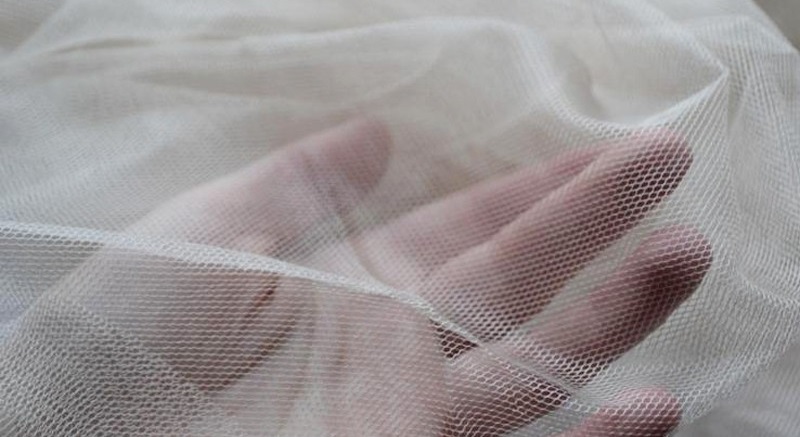
Drying multi-layered items that dry unevenly, such as parkas, down jackets, down blankets, and pillows, requires special care. Some users manage to dry these items automatically using a combination of modes: first, a super-fast drying cycle, and then a warm air setting at the end of the cycle. Unfortunately, not every automatic dryer has the appropriate functions and programs, so it's important to carefully follow the manufacturer's instructions. Some dryers are advertised as suitable for drying pillows, blankets, and jackets, while others are not.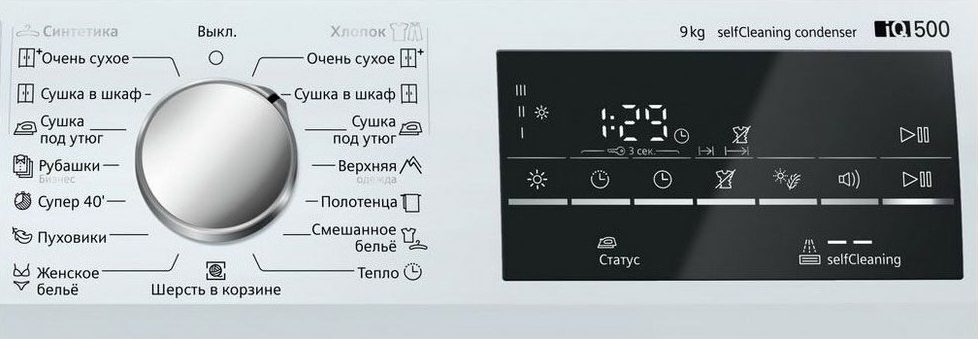
When loading the dryer, remember that even regular, new knitwear can shrink at high temperatures. So, if you bought a T-shirt or a set of underwear, it's better to air-dry it than to face catastrophic shrinkage later. The same applies, even more so, to woolen items. If you do use the dryer for these items, choose the most delicate setting.
Important! Here's what a machine dryer won't harm and can truly replace an iron: synthetic fabrics.
Along with synthetics, only some cotton items have this property: after drying in the machine, they can be immediately either worn or put away in the closet.
As mentioned above, it's important to maintain a balanced load capacity in your dryer. Most dryers are designed for a 5-7 kg load, but there are also compact machines that can dry up to 3.5 kg of laundry. Keep in mind that the weight of dry items, not wet items, is always indicated. Furthermore, these figures only apply to cotton and linen items. For synthetics, for example, the allowed capacity can be halved, and with wool, the drum load should not exceed 1 kg. Of course, you shouldn't cut a single wool sweater into several pieces if it weighs slightly more, but you shouldn't add any other items to the machine.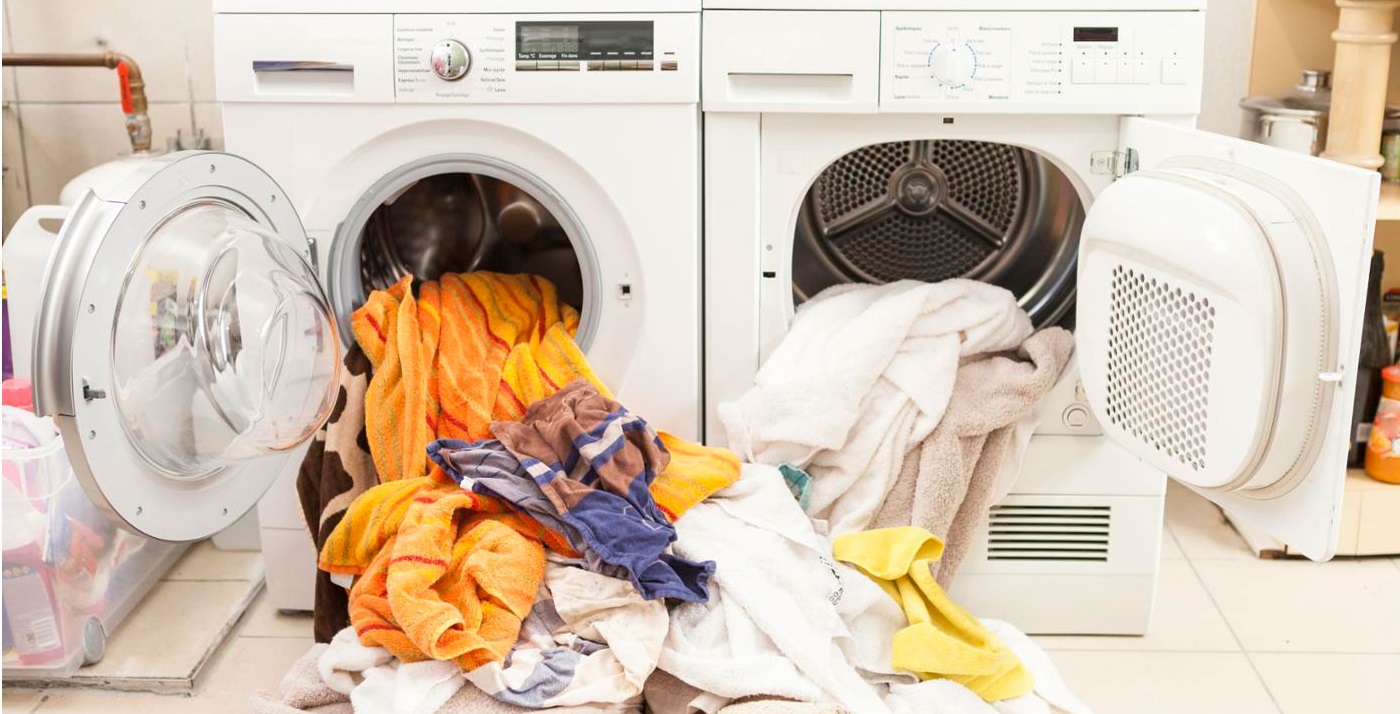
Overloading the drum can damage not only the dryer itself but also the items inside and the drying performance. The more clothes you cram into the drum, the less dry they will be and the more wrinkled they will become. For this reason, experienced users recommend drying blouses and shirts, for example, in very small batches, regardless of the fabric type.
Everyone is accustomed to sorting clothes by color and fabric type before placing them in the washing machine. Drying clothes also require sorting, but only by moisture content and desired dryness level. Sorting by size can also be helpful, to prevent socks or underwear from getting caught inside pillowcases and duvet covers, for example. As a last resort, fasten all zippers and buttons on large items.
And the last rule: remember to check your laundry for foreign elements before placing it in the dryer. Some plastic hooks or other parts can melt or stain other items when exposed to high temperatures. It's best to either remove or sew on bra underwire. It's best to tie the straps of aprons and swimsuits.
Interesting:





Readers' comments
Headings
Washing machine repair




For buyers




For users


Dishwasher




Add a comment