
The washing machine extension cord is getting hot
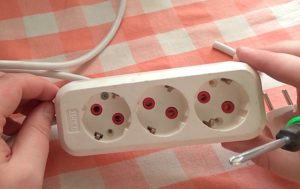 A broken household appliance can be a major nuisance, especially if you use it regularly. When it comes to washing machines, the most common problem is the power cord or extension cord that connects to the power outlet overheating. Why does a washing machine's extension cord get hot? Let's look at the main causes of this problem.
Reasons for carrier overheating
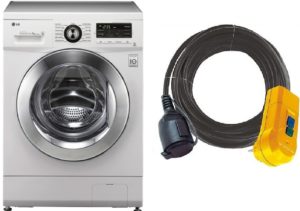
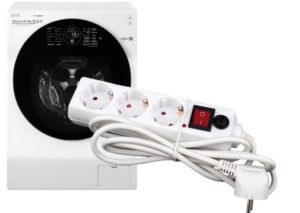
Extension cords often heat up when household appliances are in use, including when connecting a washing machine. Experts advise against using them because stores typically sell products from China, which are of poor quality. Low-quality products pose a high risk of fire. Sometimes, an extension cord simply melts when plugged into a washing machine. Therefore, for your own safety, it's important to choose your electrical appliances carefully.
Important! When making a purchase, consult with a specialist at the store and ask them to select the appropriate extension cord for your washing machine.
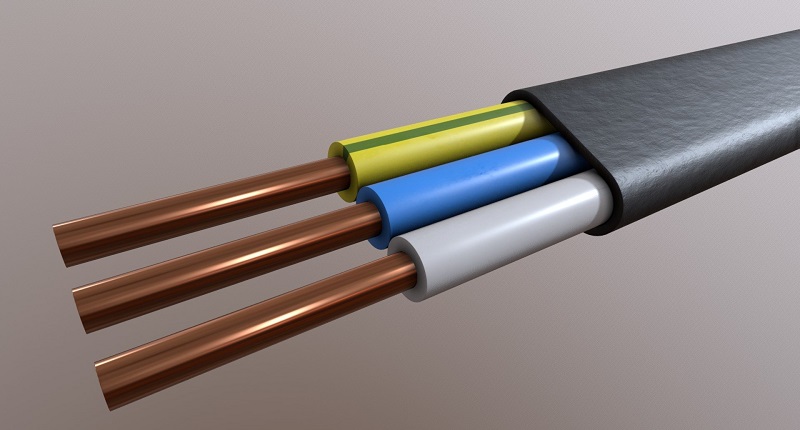
Even if you use a high-quality reel-to-reel cord, it can still heat up. This is because a coiled cord heats up faster. Therefore, it's recommended to unwind it before turning on the washing machine. Professionals recommend choosing copper cord, as aluminum is more likely to overheat due to poor contact.
If the power cord gets hot
Why does a washing machine extension cord get hot? Experts identify several causes. Here are the main ones:
- the wire cross-section is incorrect, so it cannot withstand the load when the washing machine is turned on;
- the wiring in the apartment is incorrect;
- The extension cord itself is of low quality.
What should you do if you notice a malfunction? You need to act immediately. First, determine where the heating is occurring or whether the entire cable is overheating. Most often, appliance plugs are damaged due to poor contact between the outlet terminals and the cord. The terminals heat up during operation, and then the washing machine plug.
Another possible issue is that you're plugging your appliance into a low-amp outlet (e.g., 10 amps). For your washing machine to work properly, it needs to be plugged into a 16-amp outlet. Failure to follow this recommendation when washing clothes can cause the outlet to overheat and even melt. This may result in a short circuit and fire.
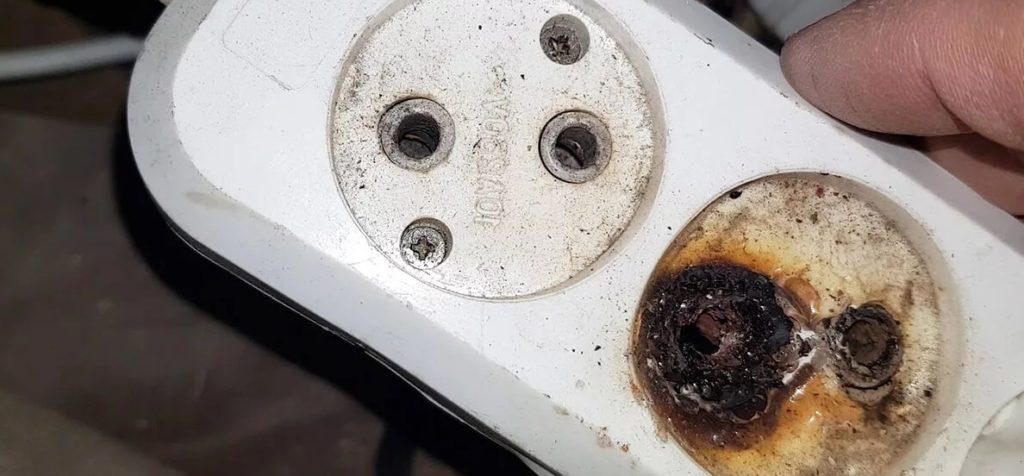
The problem can also arise from poor contact between the washing machine plug or the cord that connects to the appliance itself. If the plug is hot, it should be disassembled and the connections checked for tightness and proper installation. Once you find the cause of the problem, fix it immediately. If the entire cord is hot, inspect its connection to the washing machine.
Have you checked everything? Is the cord still heating up? This could be because the manufacturer cut corners on the cable by reducing its cross-section. This results in heating across the entire surface of the cord. For a 4.5 kW washing machine, you'll need to replace the cord with a more suitable one, with a cross-section of at least 2.5 mm.
Many people forget another rule: when inserting a plug into a socket, you need to check compatibility. Never plug Soviet-era appliances into a European socket, as they are not compatible. A poor connection will result in overheating, with all the ensuing problems.
Another cause of overheating may be frequent use of the outlet. Due to heavy use, the connectors may no longer securely hold the electrodes. It's best to replace the outlet with a new one.
Interesting:


Readers' comments
Headings
Washing machine repair




For buyers




For users


Dishwasher




Add a comment