
Why does the plug on my washing machine get hot?
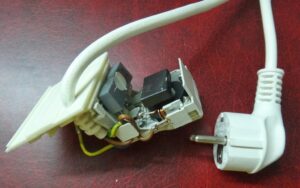
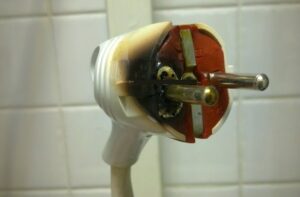
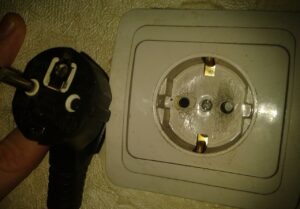 If your washing machine's plug is heating up, you can't ignore the problem. This is especially true if the plastic at the base of the pins has melted. You need to act immediately: turn off the power to the room or the circuit breaker, remove the plug, and diagnose the electrical system. If the plug isn't heating up, there's a problem with the plug, the outlet, or the power cord. Let's figure out what might be wrong.
What is heating up and why?
The first step is to determine what's heating up: the plug or the outlet. It's impossible to pinpoint the culprit by eye, so a quick test is recommended: plug the washing machine into a different outlet. If the problem persists and the end of the power cord is hot again, the problem is with the plug. There are several possible causes for the plug to heat up in a washing machine:
- poor contact between the wiring and the contacts of the mechanism (the plugs of the washing machine are non-detachable, so you will have to replace the entire cord or plug);
- manufacturing defect – a malfunction of an initially low-quality fork may appear over time;
- oxidation of contacts and, as a consequence, disruption of current conductivity (stripping of the wires is impossible due to the non-separable design, therefore replacement is recommended).
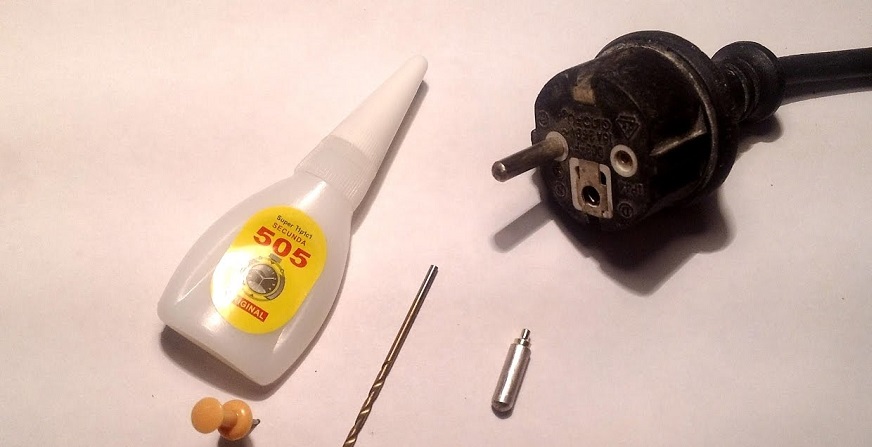
It's a different matter if it's not the plug's plastic housing that's heating up, but its outer contacts. Then the likely cause lies in the socket—its holes don't fit the plug's pins. Loose “grip” disrupts electrical conductivity, causing the temperature of the elements to rise. Most likely, the receiving "legs" are deformed or were the wrong size to begin with. Trying to straighten and adjust the structure is unsafe; it's best to play it safe and replace the entire electrical outlet.
Modern washing machines are equipped with non-detachable plugs - if one breaks, you will have to replace the plug or the entire power cord.
When searching for a replacement cord, plug, or socket, it's recommended not to skimp. First, choose genuine parts based on the washing machine's serial number. Second, buy products from trusted brands. Otherwise, some time after the replacement, you'll have to figure out what to do again when the contacts overheat.
Bad extension cord or adapter
Using extension cords and adapters when operating a washing machine is strongly discouraged. The machine is a high-power consumer, and an indirect connection can result in poor contact. This can cause the plug and the "intermediary" to heat up, potentially causing a fire. The wiring can also become hot if the extension cord is coiled and exposed to inductance. Even a high-quality extension cord with adequate power rating does not guarantee direct connection. If no other option is available, adapters should only be used if continuous monitoring is possible. The "coil" must be completely unwound to minimize heating.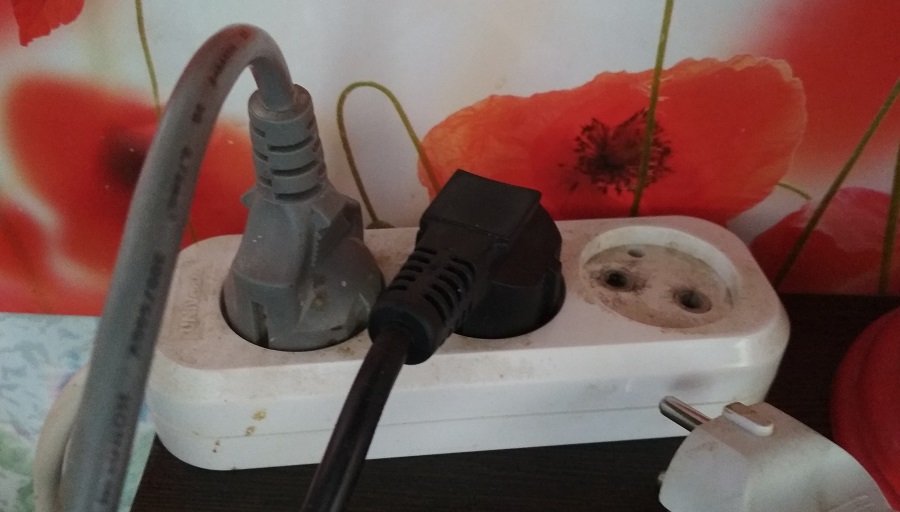
The quality of the wiring leading to the washing machine also plays a role. It's best to use copper wires, which are denser and more reliable. Aluminum is flexible and softens over time, causing it to slip out of the terminals. As a result, the contact is broken and the plug and socket heat up.
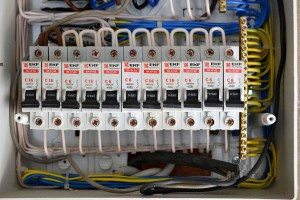
To operate your washing machine safely, you need high-quality electrical connections: a protected outlet, a separate RCD, and a direct connection. It's also important to respond promptly to problems. If the plug is hot and the problem isn't localized, don't delay—replace it along with the power cord. The instructions are simple: remove the back panel of the machine, disconnect the power cord, connect the new one, and run a test wash.
Interesting:
Readers' comments
Headings
Washing machine repair




For buyers




For users


Dishwasher




Add a comment