
The pump in the washing machine is noisy
 Engineers haven't yet succeeded in inventing a completely silent washing machine. Therefore, even a perfectly installed machine should emit a quiet sound during operation. If noise appears suddenly and intensifies, it's time to check the machine. Most often, owners are concerned about the humming pump when draining. We'll explain the common causes of pump noise and how to troubleshoot the problem.
Main causes of breakdowns
It's not uncommon for a drain pump to make unusual noises. You can fix it yourself. But first, it's important to know that loud pump noise can be caused by:
- clogging of the hose or drain pipe;
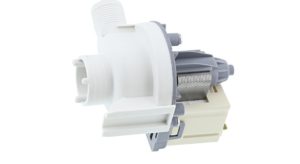
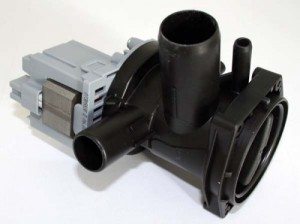
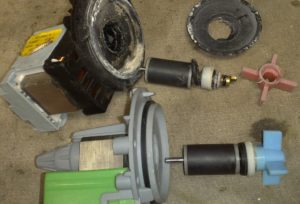
- drain pump failure;
- contamination of the drainage filter.
As a rule, noise occurs at the stage between rinsing and spinning, sometimes during draining and pumping out water. To determine exactly why the drain pump is running loudly, you need to disassemble the device. This procedure is not complicated and can be done by yourself.
Inspect the debris filter
In washing machines manufactured by popular brands, the dust filter is usually located on the lower right side of the machine. To access it, use your hands or a screwdriver to release the latches on the panel. Next, proceed as follows: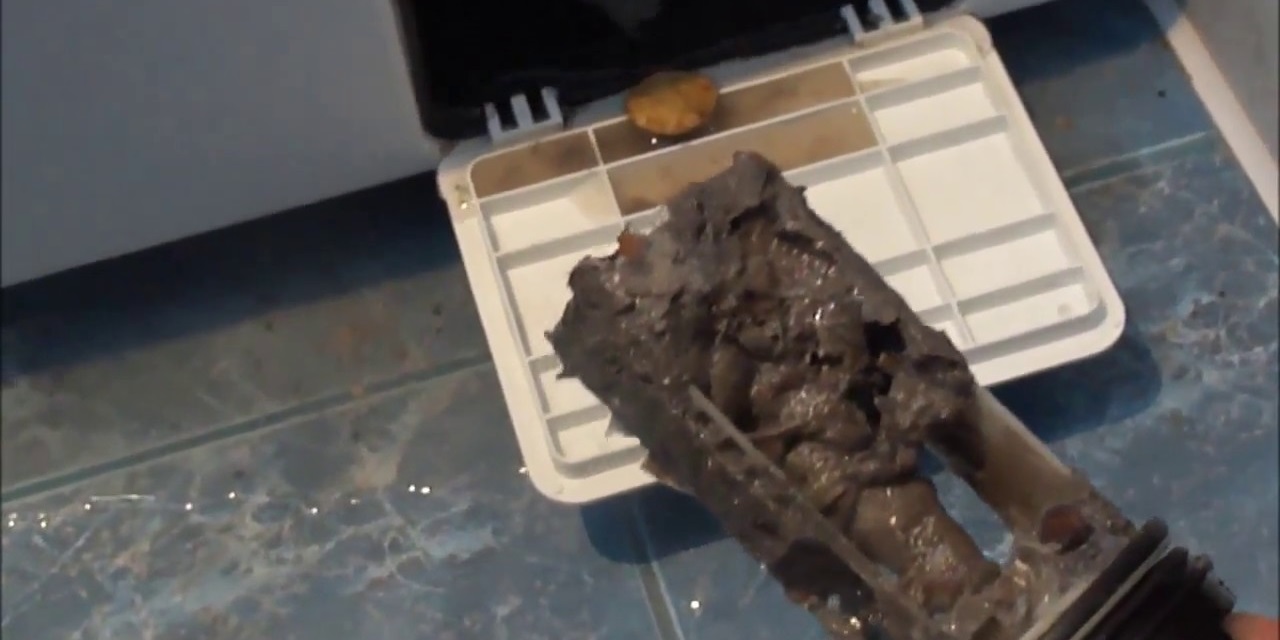
- Place a rag or tray under the washing machine to prevent water leaking from the filter from getting on the floor;
- turn the filter cover counterclockwise;
- remove the part and inspect it;
- remove dirt, rinse under running water;
- Install the filter in place and screw it on tightly.
Please note! After inspecting and cleaning the debris filter, run the washing machine in a test wash. During operation, determine if the noise has disappeared.
Sometimes, due to severe contamination, the filter cannot be removed. The only way to remove it is to remove it along with the drain pump. If the debris filter is not dirty, but the machine continues to hum, it is worth checking the pump and drain hose.Washing machines from different manufacturers have their own drain pump removal methods. Here are the most common brands and removal methods:
- "Indesit", "Whirlpool", "LG", "Samsung", "Ariston", "Ardo" - the device is placed on its left side and the pump is removed;
- "Siemens", "Bosch", "AEG" - the device is removed from the front part of the case;
- Electrolux, Zanussi - the pump can only be removed through the back wall.
Typically, your washing machine's operating instructions contain comprehensive information about the location of the drain pump. After removal, the pump should be rinsed and reinstalled. If these steps don't resolve the loud noises, and the washing machine continues to hum and rattle during operation, it's worth checking other components.
The drainage system is clogged
Sometimes the noise is caused by a faulty or clogged drain hose or outlet. To check, disassemble the appliance and remove the clamp that holds the pump and hose.
Important! When checking the drain hose, it must be disconnected from the sewer system.
Once the hose is removed, it needs to be cleaned. A wire brush can be used for this. Then, reinstall the hose. If cleaning the hose doesn't eliminate the noise, carefully remove the drain hose. A clogged hose can often cause loud noises in the washing machine. Even though the hoses are quite large, dirt can accumulate inside. If these steps don't resolve the noise, seek professional help.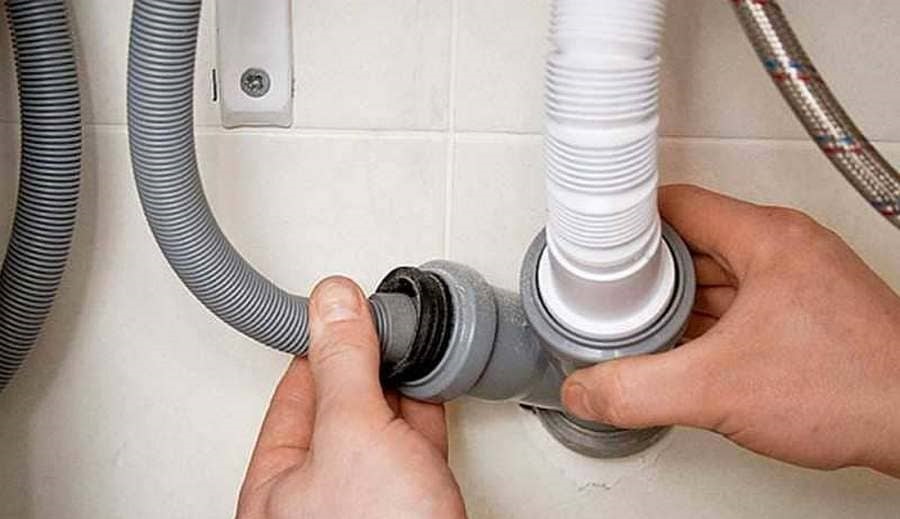
How to prevent the system from becoming clogged?
The most reliable way to prevent blockages and noise is prevention. It doesn't require any complicated steps. Simply follow these guidelines:
- regularly descale your washing machine;
- use products that soften hard water;
- remove and wash the debris filter monthly;
- Make sure that small items do not fall into the drum along with the clothes.
Every appliance owner can follow these steps. These steps are sufficient to prevent clogs, and therefore noise. They will also help extend the life of your appliance.
Interesting:


Readers' comments
Headings
Washing machine repair




For buyers




For users


Dishwasher




Add a comment