
Characteristics of washing powders
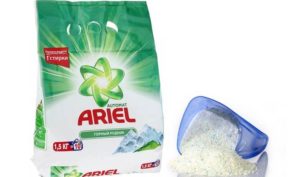 Choosing a laundry detergent based on packaging or price is unlikely to result in perfectly clean clothes. In fact, you could discolor a new blouse or leave a greasy stain unremoved. To achieve optimal results, carefully review the ingredients and specifications of laundry detergents before purchasing. Experienced homemakers even recommend purchasing several brands and rotating them depending on the stain and fabric type. Our detailed review will help you navigate the plethora of brands and manufacturers.
General properties
Finding laundry detergent at the store isn't difficult: it's always found in the household chemicals section. The standard variety is a dry synthetic mixture consisting of surfactants, bleaches, dyes, fragrances, salt ballast, enzymes, and special substances designed to "bind" calcium and magnesium ions found in tap water. There are also more natural options based on baby soap and baking soda, which are free of irritating phosphates, surfactants, and bleaching agents.
The composition of a washing powder determines its ability to clean and whiten. This is achieved by bleaches, which can be:
- Optical. It's often added to inexpensive detergents, but don't expect much effect. Its effect is temporary, as it doesn't whiten items; rather, due to its luminescent properties, it settles on the fabric, making it "glow" in the sun.
- Oxygen-based. These are chemical components such as sodium perborate or percarbonate, which can penetrate the structure of the material and combat stains from within. The stain oxidizes because the oxygen-containing substances break down intramolecular bonds, bleach the fibers, and remove foreign bodies. There's just one caveat: if the detergent doesn't contain the TAED activator, you'll need to heat the wash water to 70-90 degrees Celsius for flawless bleaching.
Oxygen bleaches can be enhanced with other components, anionic surfactants and phosphates, which makes them more effective at removing dirt and completely disinfecting laundry.
It's also worth paying attention to the presence of anti-foaming agents in the powder, as well as the addition of special water softeners to the mixture. These prevent scale buildup and ensure thorough rinsing and rapid dissolution. Equally important is the biodegradability of the packaging and detergent, which is also indicated on the product label.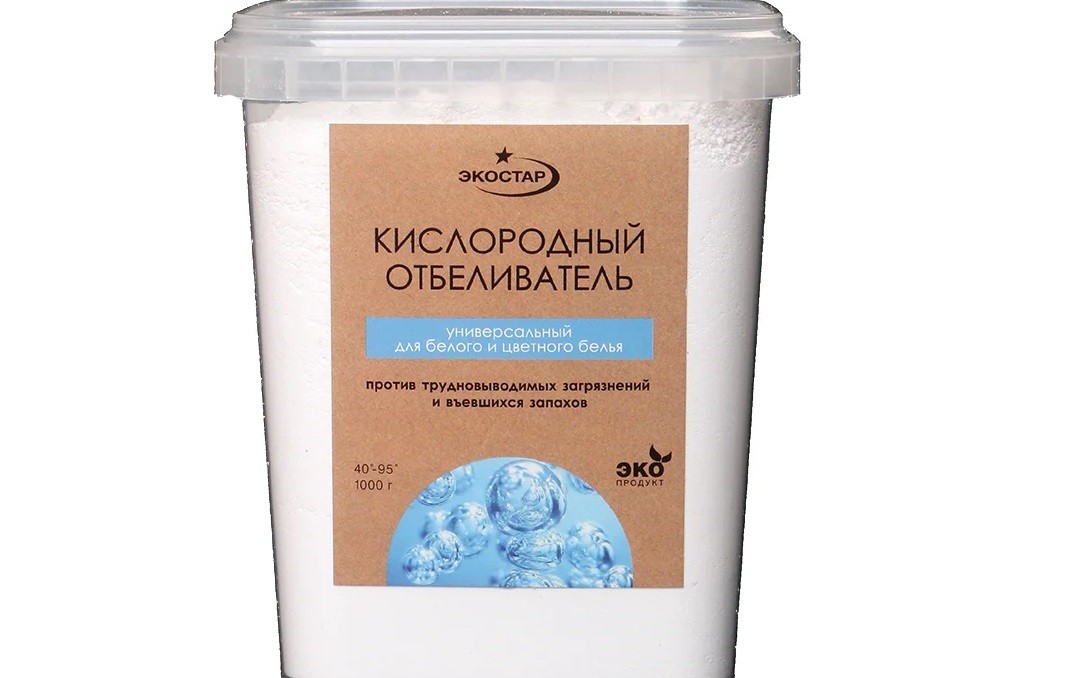
Many people value the fact that their laundry detergent leaves a pleasant scent on clean laundry. In this case, look for a fragrance in the ingredients, although manufacturers often convey the product's "deliciousness" in the name, giving it a descriptive name, such as "Lavender," "Tea Rose," or "Sea Freshness." Otherwise, your washed items will smell like soap.
But finding a product with the perfect formula is currently impossible: natural mixtures don't remove tough and stubborn stains, and harsh ingredients can settle on clothes and cause allergies. The best solution is to purchase several products suitable for specific items and different types of stains. And the more versatile your laundry detergent selection, the cleaner your clothes will be. For example, it's recommended to have bleach, as well as separate packs for whites, colors, and baby clothes.
Classification of detergents
For consumer convenience, manufacturers immediately categorize their products by type, whether they're designed for hand or machine washing, synthetic or delicate items, white or colored items, and children's or workwear. Knowing the basic types allows you to quickly select the right product and ensure the best results. First and foremost, detergents are categorized by fabric type. For example, you can find formulas specifically designed for:
- Wool and silk. This includes other delicate, soft, and thin materials, which require only high-quality blends of primary alkyl sulfates, sodium sulfate, and minimal alkylolamides. Bicarbonates may sometimes be present, creating a slightly alkaline environment for effectiveness at temperatures up to 30 degrees Celsius.

- Mixed fabrics. These are so-called universal detergents, consisting of alkyl sulfates and alkydaryl sulfonates, with the obligatory presence of optical brighteners. Much depends on the water temperature: for gentle cleaning of delicate fabrics, avoid heating above 45 degrees Celsius, while synthetics, cotton, and linen can only be washed at boiling temperature.
- Cotton and linen laundry. These products contain washing soda, which creates a strong alkaline environment.
It is strictly forbidden to use detergents intended for cotton and linen for washing woolen items, as the high alkalinity will destroy the keratin, dull the pile, and weaken the fabric.
- Dense and rough textures (like workwear). These types of garments can only be washed using aggressive surfactants and phosphates.
Depending on their properties, laundry detergents are also categorized by purpose. Some detergents are designed for soaking, while others are for washing heavily soiled items or bleaching. There are also powders for disinfection, wrinkle resistance, and antistatic properties.
Laundry detergents also differ in the way they are used. Universal mixtures can be used in automatic washing machines, activator-type washing machines, hand washing machines, and on an industrial scale. Specialized powders, on the other hand, are designed for only one of the aforementioned units. Some powders also boast additional features. They can:
- have a complex effect;
- bleach;
- disinfect;
- tint blue;
- remove static electricity;
- soften the linen to make it easier to iron.
As a rule, all the features of the powder are clearly described in its packaging. Manufacturers provide information on the product's scope of application and possible additions using labels.Sometimes special markings are used; for example, machine washing mixtures have a schematic image of an automatic machine on the box or package.
Knowing the comparative characteristics of detergents and understanding all the information on the packaging can help you quickly choose the right product without overpaying or ruining your laundry. The key is to follow the ingredients and manufacturer's recommendations.
Interesting:

Readers' comments
Headings
Washing machine repair




For buyers




For users


Dishwasher




Add a comment