
Why is foam leaking from my dishwasher?
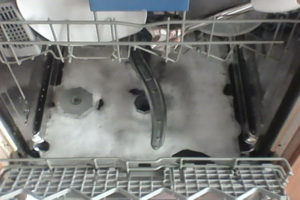
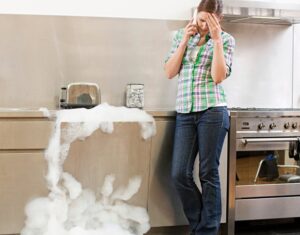
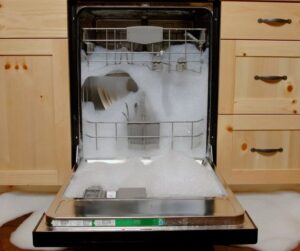 Under normal conditions, after a program finishes, only clean dishes remain in the dishwasher chamber. Unfortunately, sometimes an unpleasant situation arises: after the wash cycle has finished, suds begin to leak from under the dishwasher door. If you open the door at this point, you'll see clouds of suds coming out of the dishwasher, landing on the dishes. Because of this, dishes that have just been washed have to be rewashed. So why does this problem occur with dishwashers?
What do we check first?
In a normal state, the dishwasher's wash chamber should be clean after the procedure is completed; however, consumers often notice increased foam formation, which only contaminates the dishes. This problem usually occurs due to improper operation of the dishwasher, rather than due to a breakdown of the unit.
Most often, foam leaks are caused by a small blockage in the waste filter mesh. If you frequently load the dishwasher with dishes coated with grease, the grease will eventually clog the microscopic holes in the bottom of the dishwasher chamber. This will prevent water from draining properly, resulting in detergent residue remaining in the dishwasher even after the cycle is complete, causing foam.
Foam leaks can also be caused by incorrect settings. Standard machines can use both powdered detergents and tablets. Because the structure of these detergents varies greatly, they dissolve in water at different rates. Therefore, different settings are required for each type of detergent.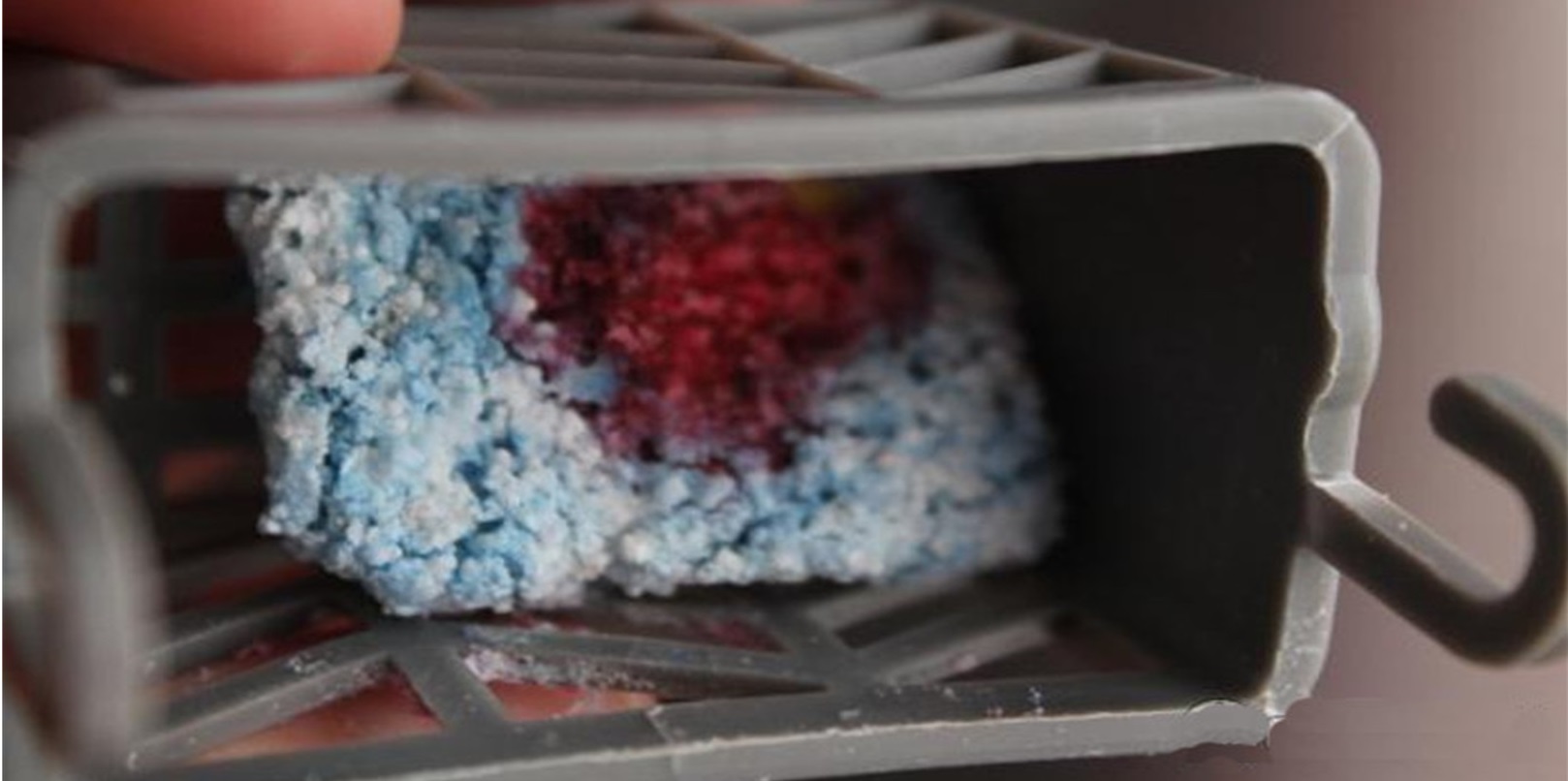
If foam remains in the dishwasher without detergent, this is a sign that the detergent has not been evenly distributed. It's possible that the machine previously used powder detergent but is now using tablets, so the settings haven't been adjusted yet.
Compressed tablets dissolve in water longer than regular powder and continue to foam even during the rinse cycle when dishes are washed with clean water.
Foaming can also be caused by food residue. A dishwasher is designed to thoroughly clean dishes after meals, but that doesn't mean it can handle heavily soiled plates, bowls, cups, and other cutlery with food particles on them. Many foods can react chemically with water and detergent, causing foaming. Egg whites, dairy products, and dough, for example, can react this way.
Foam can also appear if you use counterfeit detergents. This applies not only to counterfeit products but also to various household products: many people use vinegar, baking soda, citric acid, detergents like Fairy, and so on.
How to deal with foam in a dishwasher?
Since the presence of foam only indicates improper use of the machine or minor malfunctions, it is not difficult to deal with foam.
First, let's consider a situation where the mesh filter located at the bottom of the dishwasher becomes clogged. This can happen if a large amount of food particles, grease, various small debris, and limescale accumulates in it. When clogged, water will not drain properly, resulting in foam remaining at the bottom of the dishwasher after use.
Fixing this problem is very simple.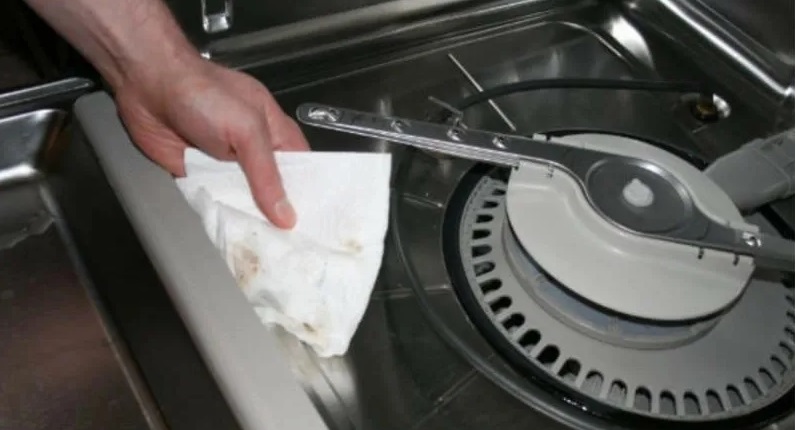
- We open the chamber door.
- We remove the lower basket of the dishwasher.
- We unscrew the required part and the metal mesh located at the back from the tray.
- We thoroughly wash all parts of the filter using a sponge.
- We install the parts in their place.
To prevent foam from forming, manufacturers recommend cleaning the machine parts at least twice a month.
If excessive foaming is caused by incorrect settings, fixing it is even quicker and easier. To resolve this issue, you need to adjust the machine's settings using the control panel. Most likely, the detergent was changed, so the dishwasher's full cycle is set shorter than the tablet's dissolution time.
All you need to do is increase the wash and rinse duration. If your machine has an automatic detergent detection feature, you can simply change the mode from powder to tablet.
If the foam is leaking due to food residue, it's time to consider the proper operating instructions. Avoid washing leftovers such as cottage cheese, dough, egg whites, dairy products, and foods high in protein. Manufacturers recommend not to wash heavily soiled dishes in the dishwasher.
Very greasy dishes with food residue should first be rinsed under the tap to remove large stains.
Finally, foaming may be caused by using unsuitable dishwashing detergents. For example, this could be regular dishwashing gel, baking soda, vinegar, or something else. If this happens, the first step is to clean the inside of the dishwasher to remove any traces of the unsuitable detergents. To do this:
- thoroughly wipe the dishwasher tray with a cleaning cloth or sponge;
- Rinse the tablet and powder compartment from any other cleaning products;
- Use a specialized detergent to run the empty machine through a normal cycle.
After completing these steps, check to see if there's any remaining foam in the machine. If so, repeat the steps again. Do not use regular household detergents in your dishwasher unless you want to troubleshoot problems.
If there is a lot of foam
Sometimes, during operation, so much foam accumulates inside the machine that it starts to spill out of the wash chamber, seeping out of every crevice. To fix this, follow these steps:
- stop the dishwasher, open it and remove the dishes from the chamber;
- remove water and foam using a ladle, glass or any other convenient utensil;
- treat the inside of the car with a sponge;
- Wipe the device's hopper dry.
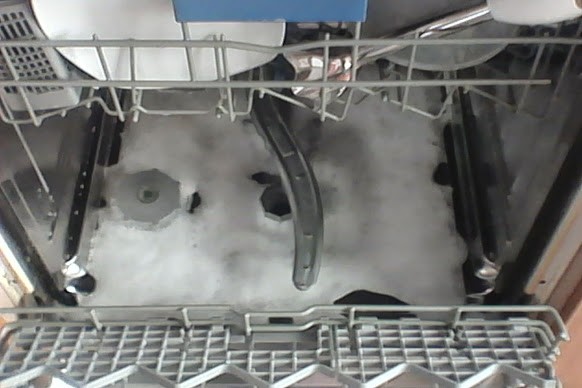
Even then, there's a chance the machine won't be completely clean, as some foam will remain in the hoses and underside of the machine. To avoid having to remove foam again during the next wash, pour half a cup of vinegar and three tablespoons of salt into the tray.
Afterwards, run the dishwasher for a couple of minutes, wait for it to rinse completely, and then check to see if any more foam appears. If necessary, repeat the process until the appliance is completely clean.
Interesting:



Readers' comments
Headings
Washing machine repair




For buyers




For users


Dishwasher




Add a comment