
The washing machine is sparking
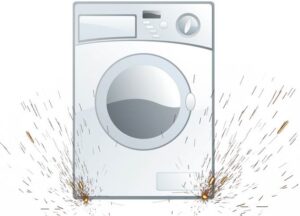
 How does this problem manifest itself? You may notice small flashes of light appearing under the bottom of your machine. In simple terms, it's sparking. If you notice this problem, you should immediately unplug your washing machine. In this condition, using household appliances can be very dangerous. Therefore, before continuing with washing, you need to do the repairs yourself or call a specialist.
You may also smell something burning or melting plastic. In some cases, you may even see sparks through the transparent part of the door.
What could cause this malfunction?
- This could be a short circuit in the heating element.
- Module failure.
- Worn out washing machine motor brushes.
- Broken engine manifold lamellas.
As we already wrote above, first of all, we need to de-energize our household appliances by disconnecting them from the network.
Heating element short circuit
This malfunction can be seen through the hatch door. If this malfunction occurs, you may notice sparking at the bottom of the door. To confirm that the heating element is faulty, check it with a multimeter (tester). Once the fault is identified, you can replace the faulty heating element with a new one and enjoy the normal operation of your washing machine. You can see the replacement process in this video:
Module failure
Power surges can cause sparks on the washing machine's control module. This sparking often leaves dark marks on it. If left unattended, these power surges will inevitably damage this expensive component of your machine over time.
If the module does break, you may notice all the indicator lights flashing. In this case, the module will need to be replaced or repaired. By the way, we do not recommend attempting to repair the washing machine yourself if this happens. If you're inexperienced, it's best to seek professional help.
Worn out motor brushes
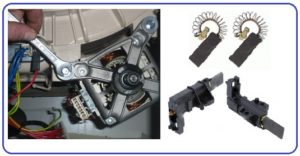
If you have been using your washing machine for a long time, it is possible that the motor brushes are already quite worn out. In this case, they don't make sufficient contact with the commutator, which causes sparking. This malfunction requires removing the motor and replacing the brushes. To clearly demonstrate the entire process of removing the motor and replacing the brushes, we've added a video:
Incidentally, this type of sparking can also occur in a brand-new washing machine. This usually occurs because the new parts haven't yet fully settled in. If you experience this problem, it's best to load the drum with a small load of laundry at first. This will help the new motor brushes adjust more easily.
Engine manifold fin failure
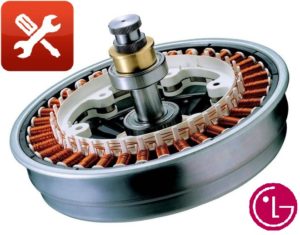
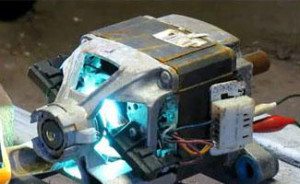 If the motor brushes are in acceptable condition but sparks still occur, the fins may be broken or severely worn. They can fail with frequent and prolonged use of the washing machine. This fault can be detected by manually rotating the motor shaft several times.
You may hear the brushes knocking against the fins. This knocking indicates that the fins are faulty. Unfortunately, they cannot be replaced. To fix the problem, the entire motor will have to be replaced. The video above shows how to remove and install the motor to replace the brushes. It will help you remove the old motor and replace it with a new one.
You can find and order a new motor, or any spare parts for your washing machine, using Yandex, Google, and other search engines. You can also contact service centers in your city.
Interesting:
Readers' comments
Headings
Washing machine repair




For buyers




For users


Dishwasher




Add a comment