
What does washing powder consist of?
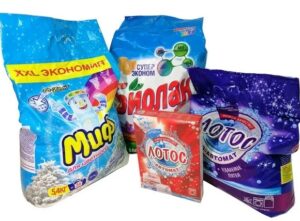 Every day, more and more household laundry detergents appear on the market, making them difficult to understand. This includes classic laundry detergent, which housewives have become accustomed to for decades. Despite its standard white color and familiar consistency, this detergent can vary significantly from package to package. Therefore, it's crucial to understand what laundry detergent is made of in order to choose only effective and safe options.
Components of most powders
Any laundry detergent, whether budget or premium, contains a number of essential ingredients, without which washing will not be as effective as expected. Therefore, let's first examine the classic ingredients found in almost any pack of laundry detergent for automatic washing machines.
- Anionic surfactants (A-surfactants). These surfactants are responsible for foaming during washing. They are inexpensive and effectively remove not only stubborn stains but also grease stains. One drawback is that they remove not only dirt from clothing but also the protective layer from the skin of your hands. A-surfactants are also virtually non-washable from fabrics, allowing them to come into contact with the skin, penetrate the body, and become deposited in internal organs, leading to a number of health problems.
In the countries of the European Union, it is prohibited to add more than 2% anionic surfactants to washing powder, while in Russia there are examples with levels of up to 30%.
- Non-ionic surfactants. These clean fabrics from the inside out, allowing them to penetrate deeply into clothing. Unlike the previous component, these surfactants are non-toxic and even break down easily. However, their weak foaming properties are a drawback, which is why they are used in conjunction with A-surfactants. Non-ionic surfactants work best in cool water temperatures. They are most often found in liquid gels, where they make up no more than 5% of the product.
- Oxygen bleaches. These are used to neutralize yellowing in fabrics. Modern oxygen-containing detergents most often use sodium percarbonate, as it whitens laundry, removes unpleasant odors, and provides effective disinfection. This bleach is easily biodegradable and non-toxic.
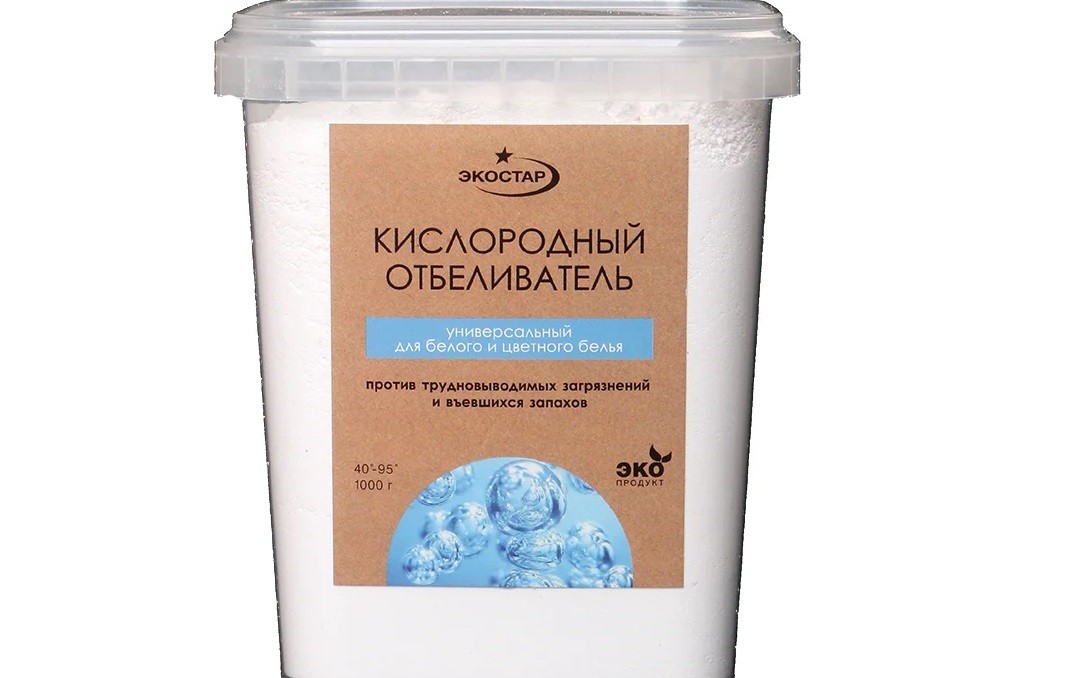
- Phosphonates. They help soften hard tap water, making washing more effective. They are much less toxic than phosphates, which is why they are used in detergent production today.
- Polycarboxylate. Essential for protecting key washing machine components from rust and scale. Like phosphonates, it helps soften hard water and is virtually harmless to humans and the environment.
- Zeolites. Absorbents that partially and completely remove dirt from clothing. They are used in conjunction with phosphonates to safely replace phosphates and reduce liquid hardness. It's important to use only natural zeolites, as while they are completely safe for humans, synthetic zeolites are about as dangerous as phosphates. Naturally, the cheaper the household laundry detergent, the less likely you are to find natural ingredients.
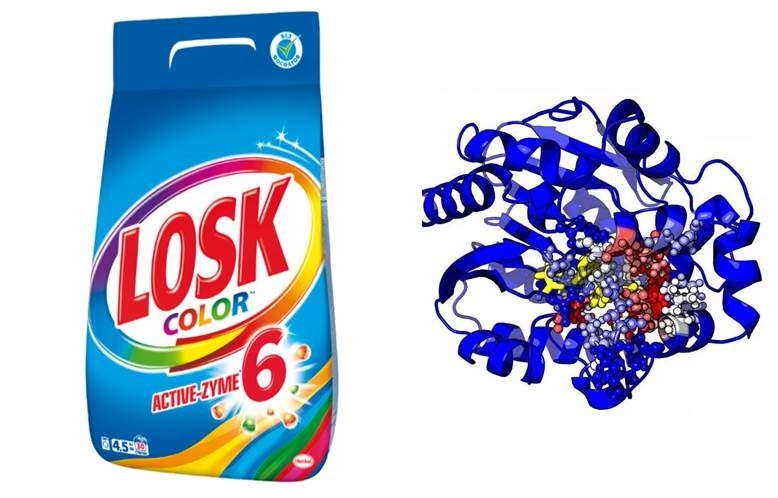
- Enzymes. Because surfactants cannot remove organic compounds such as protein, household chemical manufacturers use enzymes to destroy organic matter, including protein stains. Inexpensive detergents may contain a single enzyme for all types of stains, while premium ones may contain several types suitable for different stains. Enzymes are protein-based and therefore decompose in water temperatures above 40 degrees Celsius. They are moderately toxic, so avoid contact with skin or clothing made from delicate natural fabrics.
- Optical brighteners. They absorb ultraviolet radiation, converting it into a blue color, similar to what bluing once did. They make clothes brighter and whiter, but this is more of a dyeing effect than a bleaching effect. This component penetrates deeply into the fabric fibers and is very difficult to wash out, which can cause allergies.
It is best not to use detergents to clean baby clothes or clothes for those with allergies if they contain optical brighteners.
- Fragrances and fragrances. Not only do they make detergents smell more pleasant, but they also mask the unpleasant chemical odor that comes from household chemicals before fragrances are added. They can be divided into natural and chemical—the former are more common in expensive products, while the latter are found in budget-friendly ones. They can cause various skin and eye irritations, as they are allergens.
That concludes the list of the most common ingredients. Now let's look at the specific ingredients that aren't found in every laundry detergent.
Components of cheap powders
This section lists the ingredients found in the cheapest detergents. They are of exceptionally low quality and should be avoided.
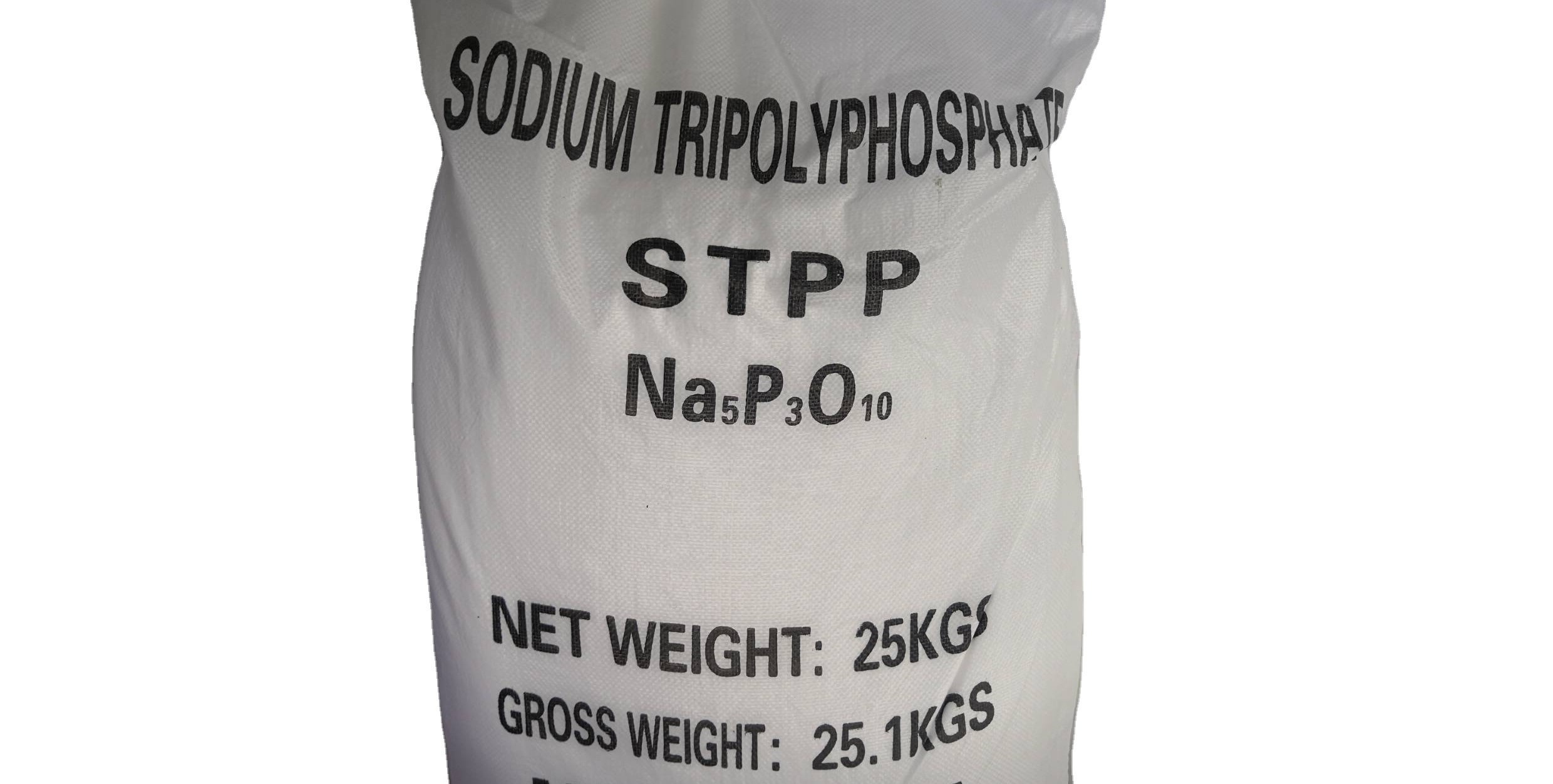
- Sodium tripolyphosphate. A standard phosphate used to soften tap water. It should not be used because it is a potential allergen.
- Sodium hypochlorite. A chlorine-based bleach that, while enhancing the effects of surfactants and phosphates, is also harmful to the body. Responsible manufacturers often replace this component with oxygen bleaches, but it can still be found on store shelves.
Fortunately, the list is not very long, so you can learn it and carefully monitor to ensure that household chemicals with such composition do not end up in your home.
Substances not mentioned in the composition
Detergents often contain ingredients that the manufacturer fails to disclose in the instructions or on the back label. Sometimes these ingredients are harmless to humans, but in other cases they can have a negative impact on the body. These ingredients most often include the following:
- TAED – bleach activators. Since oxygen bleaches can only work at temperatures above 80 degrees Celsius, manufacturers must add TAED, which works well at low temperatures. Therefore, if the ingredients list oxygen bleach and the information that the powder works in cold water, TAED should likely also have been listed.
- Anti-resorbent. Needed to prevent dirt from sticking back to freshly washed laundry;
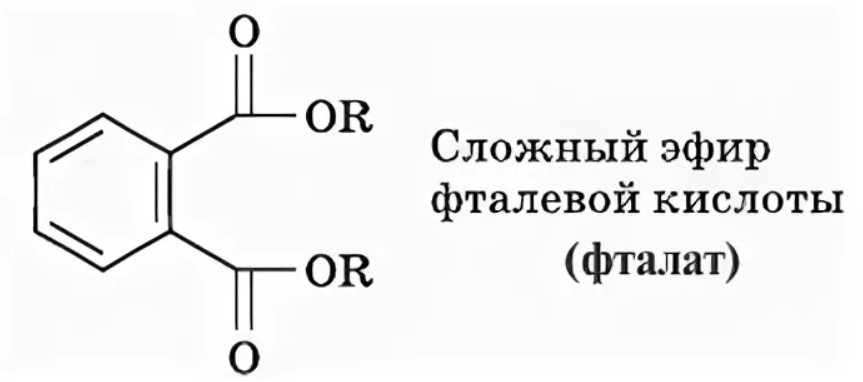
- Phthalate. This ensures that the pleasant scent lasts as long as possible after washing. If the manufacturer guarantees a long-lasting pleasant scent, then the product definitely contains phthalates. They also prevent the detergent from clumping and reduce dust accumulation.
Thus, hidden components can be found even in well-known detergents. Always carefully study the information about the ingredients to avoid accidentally purchasing chemicals with harmful components.
What should the powder be like?
Each listed chemical may or may not be harmful to humans depending on its concentration. That's why the GOST standard specifies the permissible density of the most harmful elements, as well as general requirements for appearance and other characteristics.
- Any laundry detergent must appear as a granular mixture, ranging from white to light yellow in color; coloring is acceptable. If the powder is uncolored, it must be 60% white.
- The mass fraction of dust cannot be more than 5%.
- The concentration of hydrogen ions should be between 7.5 and 11.5 pH.
- The mass fraction of phosphate salts should not exceed 22%.

- Foaming must not exceed 20 centimeters.
- Household chemicals must have a cleaning capacity of 85% or higher.
- The whitening level for products containing chemical bleaches should be set at 80% or more.
- The shelf life of detergents containing chemical bleaches or organic additives must be at least 9 months. Other detergents have no expiration date.
- The mass fraction of active oxygen must be no more than 6%.
These are far from all the GOST requirements, but these are the most important rules that household chemical manufacturers in our country must adhere to. It's important to note that while eco-friendly powders are often not made to state standards, they do not contain any harmful substances, making the list of ingredients more important than the GOST standard.
Distinctive features of eco-friendly powders
Today, detergents with eco-friendly ingredients are becoming increasingly popular. Their distinctive feature is the partial or complete elimination of harmful substances, which the manufacturer replaces with safe alternatives.
- Harmful surfactants are often inferior to biological surfactants, also known as ecosurfactants. These are compounds of glucose, potato, wheat, rice, and fatty alcohols from palm or coconut oil. Biological surfactants can also contain yeast or bacteria, which have virtually no effect on washing performance but promote better breakdown of the detergents, making these detergents environmentally friendly.
- Instead of chemical and optical bleaching components, auxiliary and non-ionic surfactants are used, which perfectly whiten clothes and do not cause any harm to either humans or the environment.
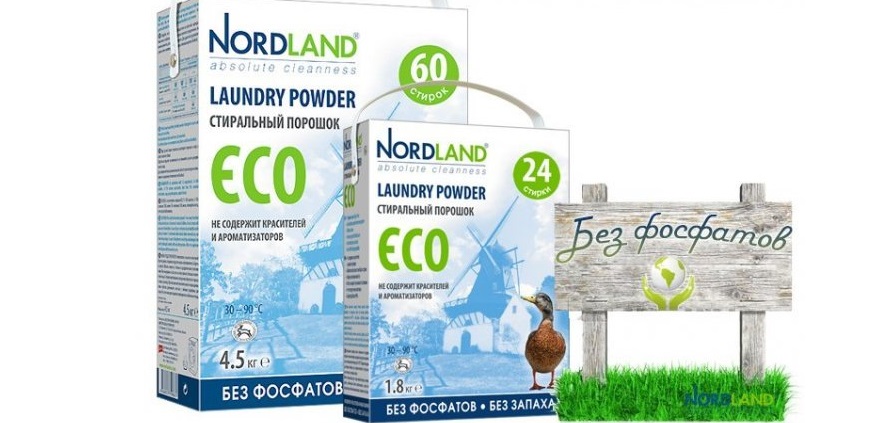
- Phosphates have been replaced with sodium disilicate, which helps soften hard water and also helps preserve key components of washing machines.
Pay attention to household chemicals with a sodium disilicate content of 15 to 55% - these detergents are highly effective.
- Instead of chlorine and active oxygen, companies add a peroxide stabilizer or a water-soluble organic complexing agent to eco-friendly detergents.
- Finally, manufacturers do not use aromatic additives and fragrances, as they add safe essential oils instead.
Naturally, safe natural ingredients are much more expensive than their chemical counterparts, so the price of such products is two or more times higher. However, health is not worth skimping on, which is why demand for such laundry detergents is higher than ever.
Interesting:


Readers' comments
Headings
Washing machine repair




For buyers




For users


Dishwasher




Add a comment