
A branch shredder made from a washing machine motor
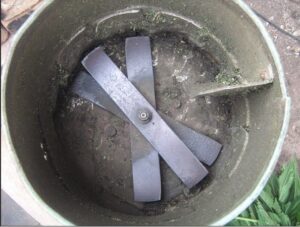 Gardening uses a variety of tools, some of which can easily be made by a gardener. Take, for example, a branch shredder. Ground branches, weeds, and twigs make high-quality compost. In this article, we'll explore how to expand your gardening toolbox without breaking the bank, specifically how to make a garden branch shredder from a washing machine motor.
What are the requirements for the future device and how does it work?
So, the purpose of a shredder is to naturally shred stems, branches, and other vegetation, but at the same time, the blades' movements should not create a strong air flow and blow the greenery out of the tank. The shroud accomplishes this.
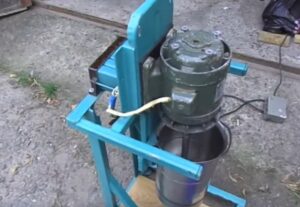
Transporting the compost-ready contents of a shredder is difficult, so the machine itself can be made transportable by placing it on wheels. Its operation is generally similar to that of a food processor. The device consists of a receiving bin, a shaft with blades, a motor, a frame, and a box for shredded material.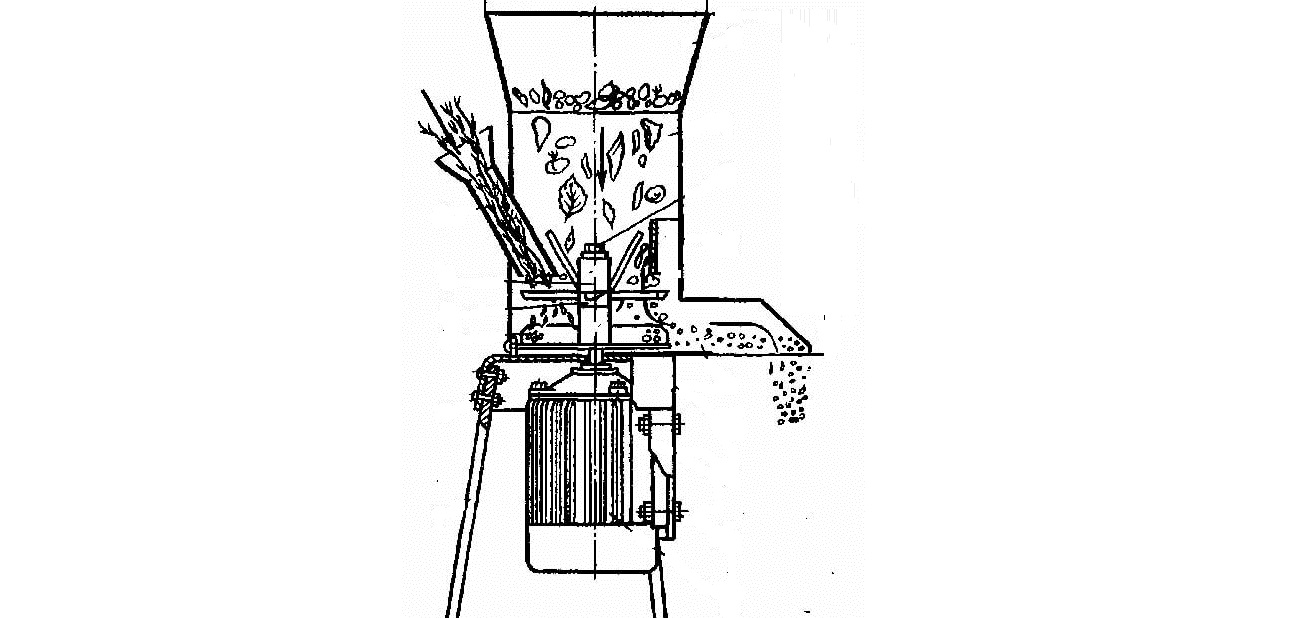
How does the device work? The receiving tank and the shredded wood tank are connected by a housing. Blades are attached to a shaft. Material is loaded into the receiving tank, and the motor is turned on, driving the shaft and, consequently, the blades. The shredded material is blown from one tank to the other.
Parts of the future shredder
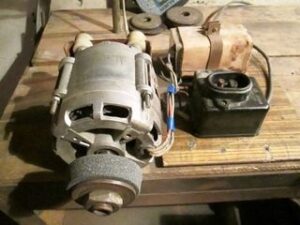
There's nothing complicated about making such a food processor from a washing machine motor. The key is to use motors from semi-automatic machines (for example, domestic models like "Malyutka," "Fairy," or "Oka"). Modern washing machine motors are less suitable, so it's unlikely they'll be suitable for this purpose.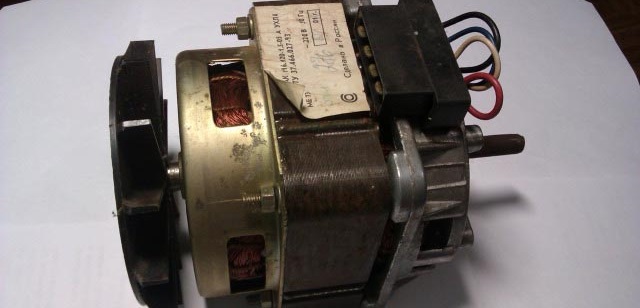
Minimum motor requirements: 1350 rpm and 180 watts of power. There is no upper limit for either power or speed. The higher these values, the greater the volume of branches available for simultaneous processing and the thicker the branches will be processed by the shredder.
Important! The Fairy washing machine has a centrifuge, which allows the motor to reach very high speeds with relatively low power.
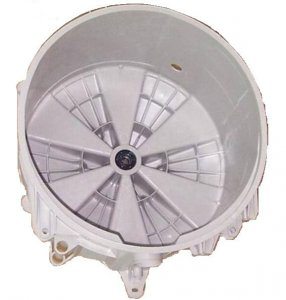
Ensure the sturdiness of the collection bin. Sometimes, stones or metal objects can get caught in it along with grass and branches. If the bin isn't strong enough, it can easily be damaged, rendering the shredder useless. It's best to use a metal bucket or garden barrel, reinforcing it with sheet metal if necessary. A washing machine bin will also work, but it might be too long. If so, shorten it with a grinder. If the shaft spins too fast, some of the bin's contents will fly out; this can be solved by installing a lid.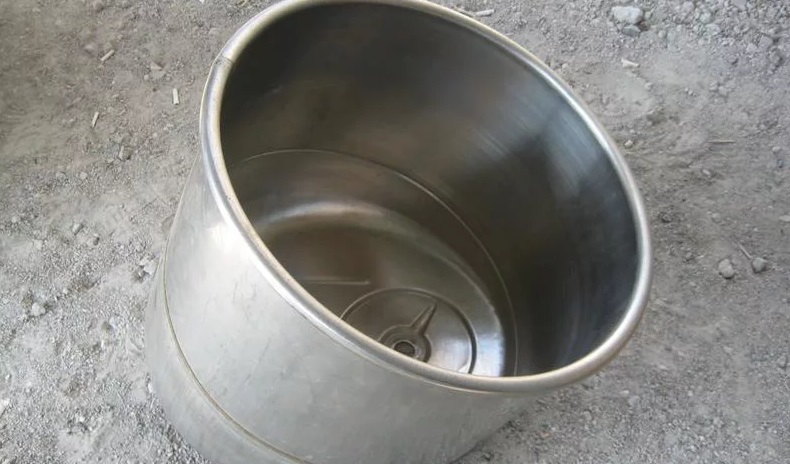
The outlet for shredded waste is located at the bottom of the bin, level with the blades. You can solder or otherwise attach a metal bracket in front of this outlet. This will ensure the shredder chops the contents of the bin more thoroughly and finely. However, remember that the bracket should be positioned below the blades, otherwise it will get in the way.
Anything can be used as blades. Some people remove lawn mower discs, while others even make their own from old saws or a whole hacksaw blade. A single blade is also possible. The number and size of the blades depend on how finely you want to shred the branches. Typically, multiple rectangular blades, sharpened on one side and attached to a shaft, are used.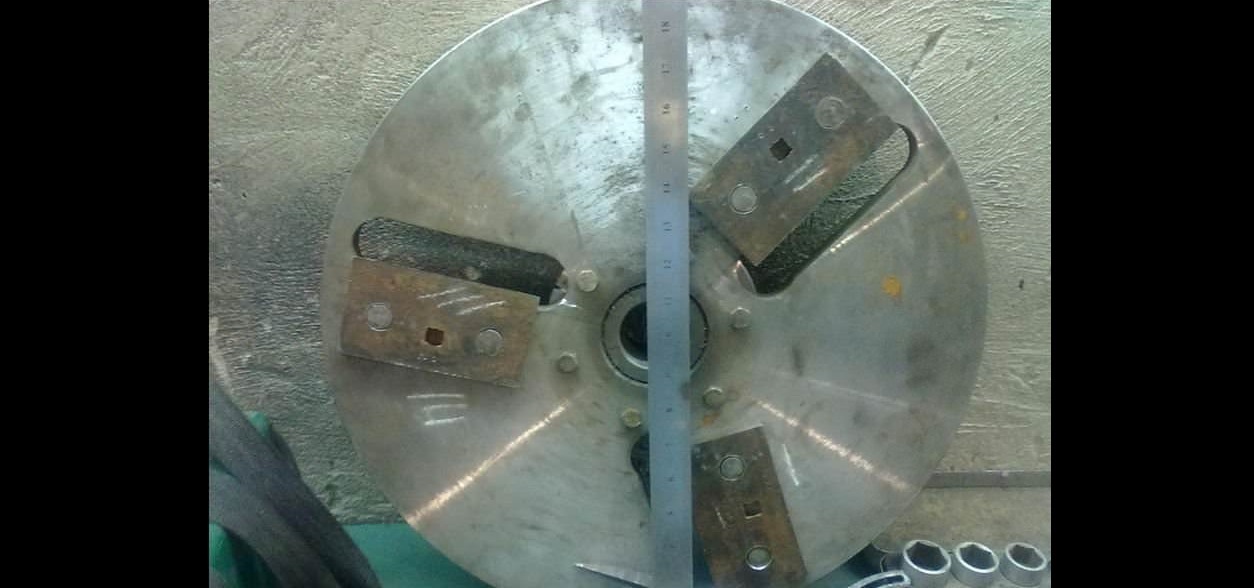
How do you make your own blade? Take a blade and cut out the required number of rectangular blades with a hole in the middle for attaching to the shaft. Leave the short edges as is or file them down, and sharpen the long edges. Blades with filed short edges (diamond-shaped) are good for cutting grass. When choosing a blade size, keep in mind that the lower the motor power, the lighter the blade should be. Remember to match the size of the cutter to the size of the tank, so that the blade is not too long (then it will hit the wall of the box) and too short (then grass will wrap around it).
Now let's talk about the casing. Some people connect the receiving bin and the finished material bin directly, without a casing, but this is unsafe and too bulky. The casing is made from a sheet of metal and then screwed to the bin. This prevents branches and grass particles from flying everywhere, but directs them through the casing into the bin for ground particles. A scrap of metal or even plastic pipe can be used as a casing.
The waste container can be anything. Buckets, basins, and large pots of any shape and material will all work. The key is to place them under the hood. It's best to do this at a slight angle to prevent debris from flying everywhere and to make it easier to collect. Some people prefer to leave the collection bin open and empty it later, but this is inconvenient, as you have to stop the motor each time you want to empty the bin.
Manufacturing instructions
Now let's talk in more detail about how to assemble a branch shredder yourself using a washing machine motor as a motor.
- As with any electrical appliance, first unplug the washing machine. If you're working with an actuator or inverter motor, secure the rotor or hold it by hand to prevent it from rotating. If the motor is stuck in its groove, carefully pry it out with a sharp object.
- Make a receiving tank. It's simple: take the container you've chosen and use a grinder to make a hole in the bottom for mounting the motor.
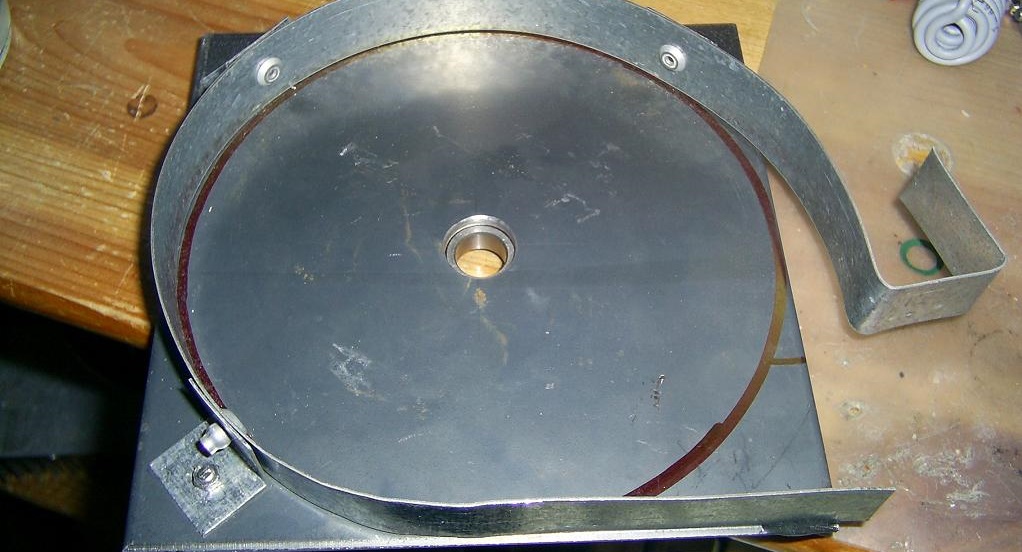
- Make a stand for the combine harvester. Weld several metal angles together and attach the wheels to the frame if necessary.
- Order a bushing with mounting holes on one end and threads on the other from a lathe shop. Approximate size: 5 cm.
- Attach the motor vertically to the bottom of the receiver box. It's recommended to first test-mount the motor to determine the blade height and outlet location.
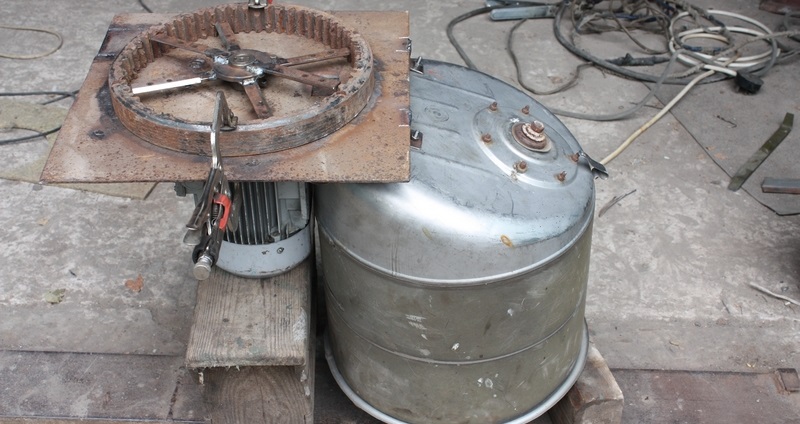
- The blades are bolted to the bushing through a hole in the bottom of the tank. Position them 6-8 cm from the bottom. If the blade vibrates during use, try filing the other side to reduce its size and weight.
- Drill a rectangular hole at least 7 cm wide and approximately 20 cm long on the side of the box, level with the blades or just below them. The waste outlet shouldn't be too narrow, otherwise the chopped greens will be difficult to remove.
- Attach the casing with bolts
Now you need to prepare the motor for operation. You'll need a cord with a plug and a stripped core. Connect the cable to the start button on one end and the motor winding on the other. If the motor has four wires, connect the ends of the start and run windings and connect them to the button. After pressing the button, the current flows to the starting winding and starts the motor; if you release the button, only the working winding will remain energized, and the starting circuit will open. If you press the button again, all wires will be opened.
Making a shredder yourself isn't all that difficult. The key is to connect the motor correctly, but if you get the hang of it, it shouldn't be too difficult.
Interesting:
Readers' comments
Headings
Washing machine repair




For buyers




For users


Dishwasher




Add a comment