
Is the dishwasher connected to hot or cold water?
 Buying a new dishwasher always comes with its own set of technical nuances, which can be difficult for a novice to navigate without assistance. One of the key questions here is whether to connect the dishwasher to a hot or cold water supply. Each approach has its advantages and disadvantages, so we'll cover them in detail to ensure new dishwasher users have no questions about installing their new "home helper."
Which pipe should I connect the dishwasher inlet hose to?
The point is that any dishwasher has a fairly powerful heating element that easily heats cold water to the selected temperature. This is why the machine is most often connected to cold water rather than hot water, especially since interruptions in cold water supply do not occur as often as with hot water. It is also important to consider that cold tap water is often of better quality than hot water, which helps extend the life of your dishwasher.
However, if a dishwasher uses a heating element, this doesn't mean it can't be connected to hot water. Yes, it's a bit more complicated, but no manufacturer prohibits this, and this is usually stated in the user manual. However, it's important to understand that using hot water for washing dishes will be more expensive than heating initially cold water to the required temperature.
Using hot water will not prevent the gradual wear of the heating element, which will still need to be replaced over time.
A huge advantage of premium dishwashers is that they feature dual connections, meaning they can be connected to both cold and hot water simultaneously. This "home assistant" will automatically determine the order of operations for the selected cycle.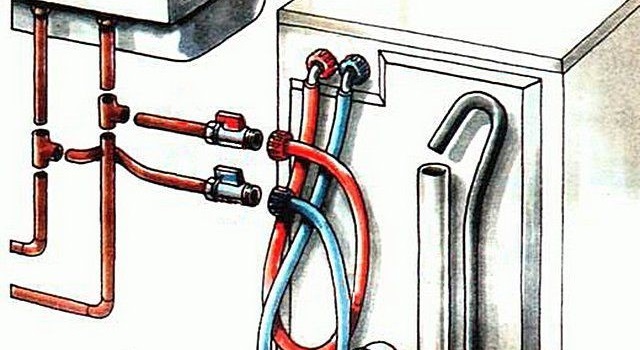
For example, if the user selects a wash cycle at 40 degrees Celsius, and the tap water is 50 degrees Celsius, the machine will use hot water, diluting it slightly with cold water to achieve the desired temperature. If the tap water is colder than the desired temperature, the machine will activate the heating element to bring the water up to the selected temperature. Moreover, such appliances are equipped with two separate filling valves, allowing for greater flexibility during operation.
If you want it hotter
If you've decided to connect your dishwasher to hot water, it's important to prepare for the process in advance. Also, during installation, be mindful of the connection requirements to avoid accidental damage and ensure perfect results.
- To make this connection, you need to purchase a special inlet hose suitable for use with hot water supply.
- It is necessary to first study the instructions to understand whether the given dishwasher has the ability to be connected to hot water.
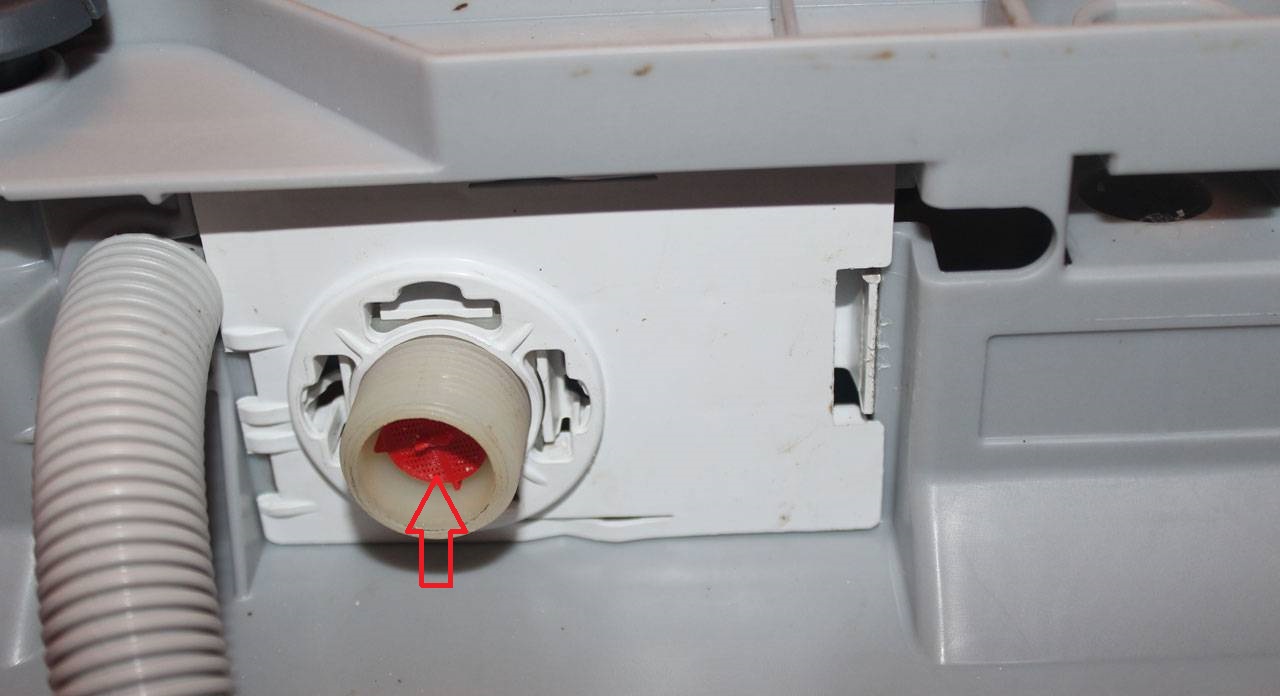
- It is best to install a flow-through filter between the inlet hose and the hot water supply to prevent harmful impurities from entering the dishwasher from the water supply.
A flow-through filter like this will help slow down wear and tear on your home's internal components caused by hard, low-quality tap water, so it's worth checking it at least once a year after installation.
Before starting work, make sure all tools and consumables are ready. This includes:
- A reliable inlet hose that can withstand high temperatures. In some cases, this is included with the dishwasher, but only if the appliance can be connected to a hot water supply;
- A tee faucet. This will allow you to fully control the water supply to your dishwasher;
- flow filter suitable for filling hose;
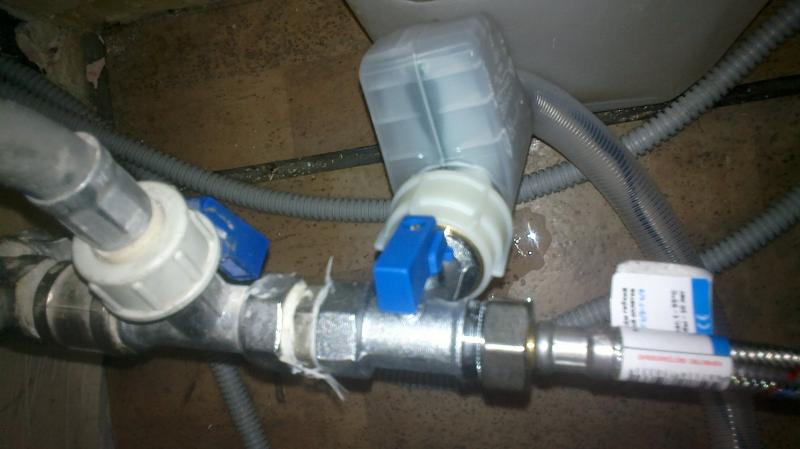
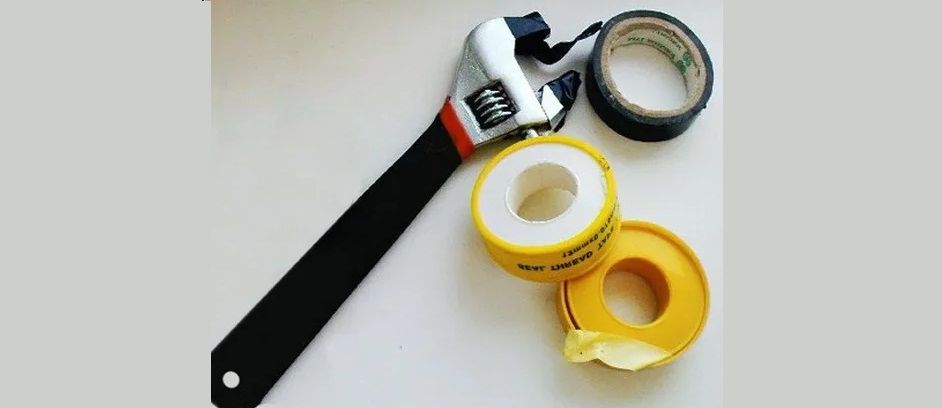
- An adjustable wrench and FUM tape will help you tightly install the tee tap to the water supply outlet.
You don't need to do anything to install the hose itself; just screw it on carefully by hand to avoid damaging the fragile component. Once everything is ready for installation, let's get started.
- Turn off the water supply.
- Remove the plug from the water pipe outlet.
- Carefully wind a small amount of FUM tape onto the thread, securing the tape against the thread.
- Install a tee tap onto the thread.
- Wrap some more FUM tape around the first terminal of the tee, and install a plug on the second.
- Attach the inlet hose to the free outlet of the faucet, making sure that its end reaches the dishwasher.
- First, install a flow filter on the end of the inlet hose, and then connect everything to the dishwasher inlet valve.
After all the manipulations have been completed, all that remains is to test all connections for leaks. Once you're sure everything is fine, you need to move on to an idle cycle, which will help check the functionality of your "home assistant."
Pros and cons of connecting to a hot water supply
Connecting household appliances to cold water is considered the standard practice, so using hot tap water can lead to far more unforeseen situations. Finally, let's examine the pros and cons of connecting to hot water, starting with the advantages.
- This connection speeds up the work cycle, as the equipment does not need to waste time heating the dishwashing liquid.
- This reduces wear on the water heating element, since in this operating mode it turns on much less frequently.
- This type of use of equipment helps to save electricity, since the heating element is generally not used.
All of these points are rather questionable, but the last one is especially controversial, as hot water is usually more expensive than electricity, so this approach will actually increase utility bills. However, each person must evaluate the feasibility of this solution for themselves. As for the disadvantages of the connection, the following should be highlighted:
- Hot water severely damages flow-through filter screens, often requiring the purchase of new replacement elements. Removing the screens is not recommended, as without them, various hazardous contaminants will enter the system.
- Over time, extremely hot liquid will deform the pipes and drain hose of the dishwasher.
- If necessary, you won't be able to quickly rinse anything in cold water, because the machine can heat the liquid, but is unable to cool it.
Finally, it's worth noting that the dishwasher uses cold water during the pre-wash cycle, which doesn't heat up until the main cycle. If the machine starts the pre-wash with hot water directly, buckwheat, dough, and other food particles that don't tolerate high temperatures will stick more firmly to the dishes, reducing the effectiveness of the dishwashing process. Therefore, before connecting your dishwasher to a hot water supply, you should carefully consider all the pros and cons.
Interesting:



Readers' comments
Headings
Washing machine repair




For buyers




For users


Dishwasher




Add a comment